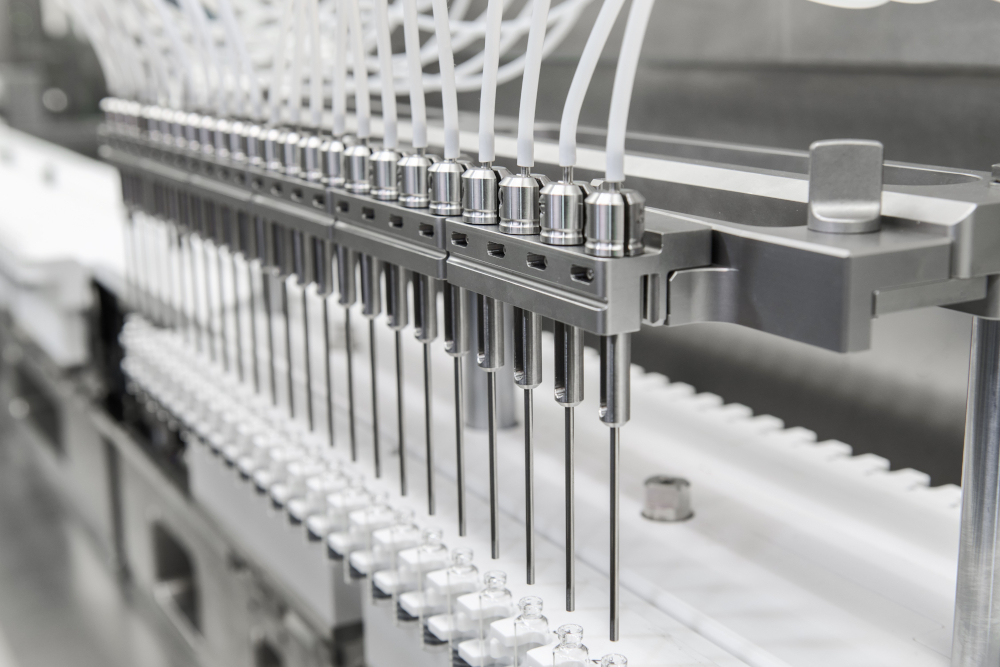
Which implications will EU GMP Annex 1 have for sterile fill/finish processes? How will it change the way we work in the pharmaceutical industry? And which technologies are best suited?
Jürgen Metzger featured in Pharmaceutical Technology
On December 20, 2017, the European Commission published the long-awaited revision draft of EU GMP Annex 1. Even before its release, this document triggered many heated discussions, which have further intensified after publication. Topics include material classification for sterile transfers, detailed risk assessment procedures for processes and the associated environment, more operational qualification (OQ) testing, and laminar flow (LF) conditions for loading and preparing machines for production as well as reducing the overall risk from human intervention.
Our expert for barrier systems, Jürgen Metzger, discusses some of the most important issues in an in-depth article, which was recently published in Pharmaceutical Technology.
Jürgen Metzger is Barrier Systems & Process Specialist at Syntegon Technology. He started his career at Syntegon in 1999 in Crailsheim, Germany. Throughout his time in Germany, one of the main focus areas was isolator technology with aseptic filling machines and processes. Since April 2017, Metzger has been responsible for barrier systems technology in Minneapolis, MN.
Syntegon Newsletter
Get inspired with regular updates on technologies and services, case studies, webinar offers and events.