Ampoule filing and sealing machines for Annex 1
Balance ampoule cost, fragile glass handling and Annex 1 expectations with reliable filling and sealing.
Cost-effective, compliant and gentle ampoule filling and sealing
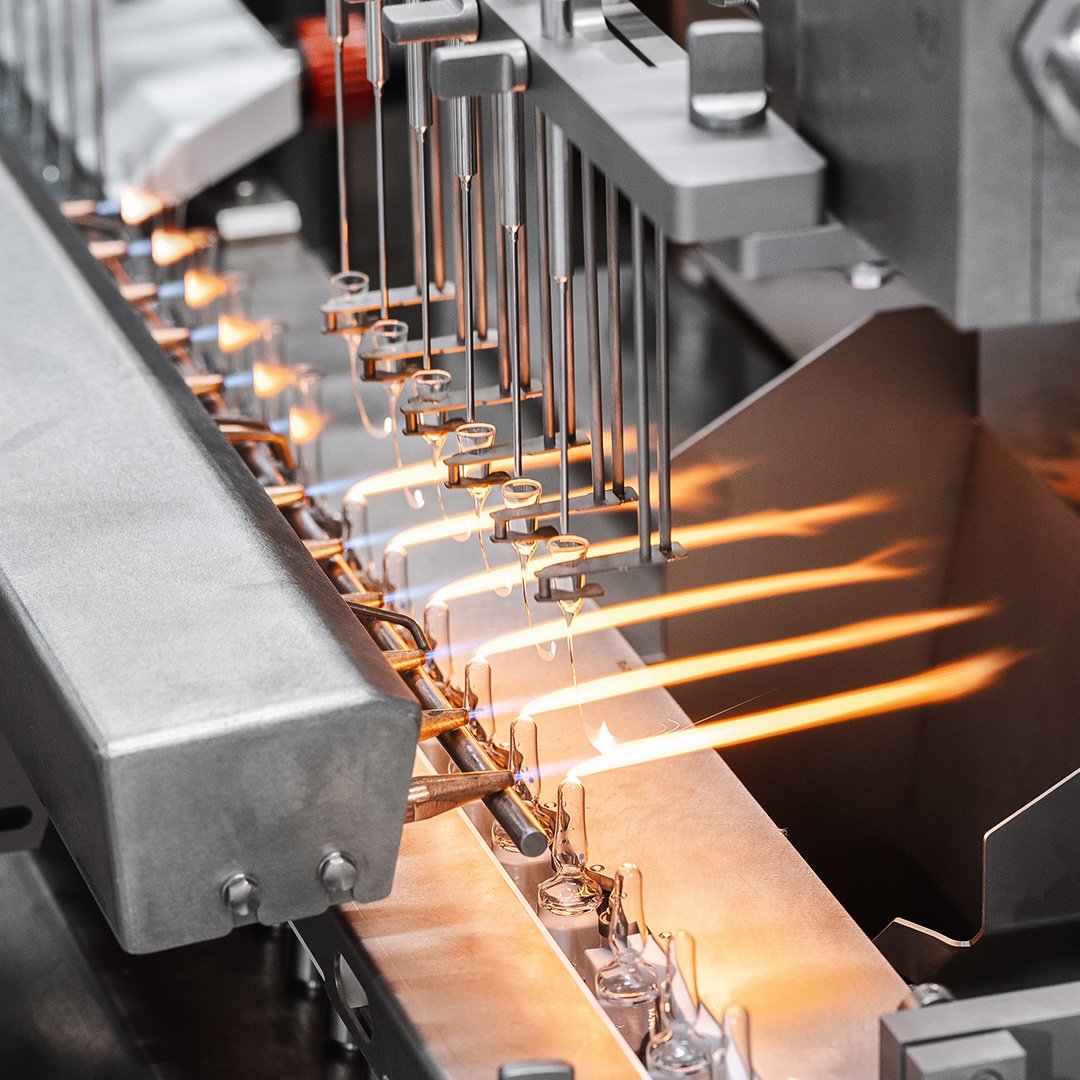
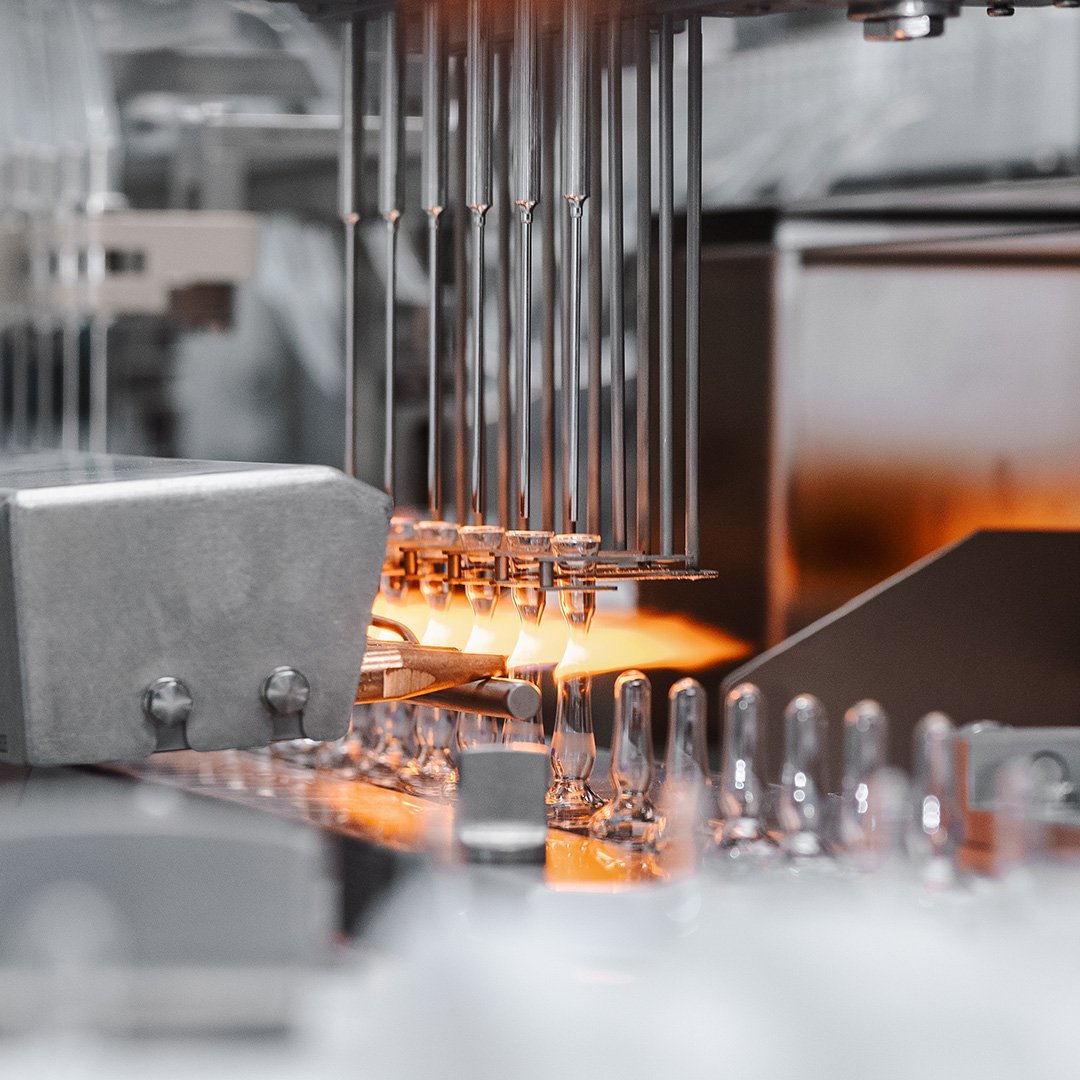
Ampoule production runs under constant pressure and tight cost-per-unit, so stability matters: breakage, inconsistent flame-sealing or downtime cut margins. Syntegon’s ampoule systems preserve margins with gentle glass handling, precise, consistent filling/sealing, RABS/isolator compatibility, scalable batches, fewer rejects and assured compliance.
Ampoule filing and sealing machine: low cost, safe glass, Annex 1-ready
How do you reduce cost per filled ampoule without risking quality?
Cost per filled ampoule is a key KPI, but unplanned stops, glass breakage and manual rework quickly drive it up. Compact, robust lines with gentle handling and consistent flame control keep throughput stable. With Syntegon as lifecycle partner you can plan upgrades, and keep unit cost predictable over the long term.
How do you protect fragile ampoules during filling and flame sealing?
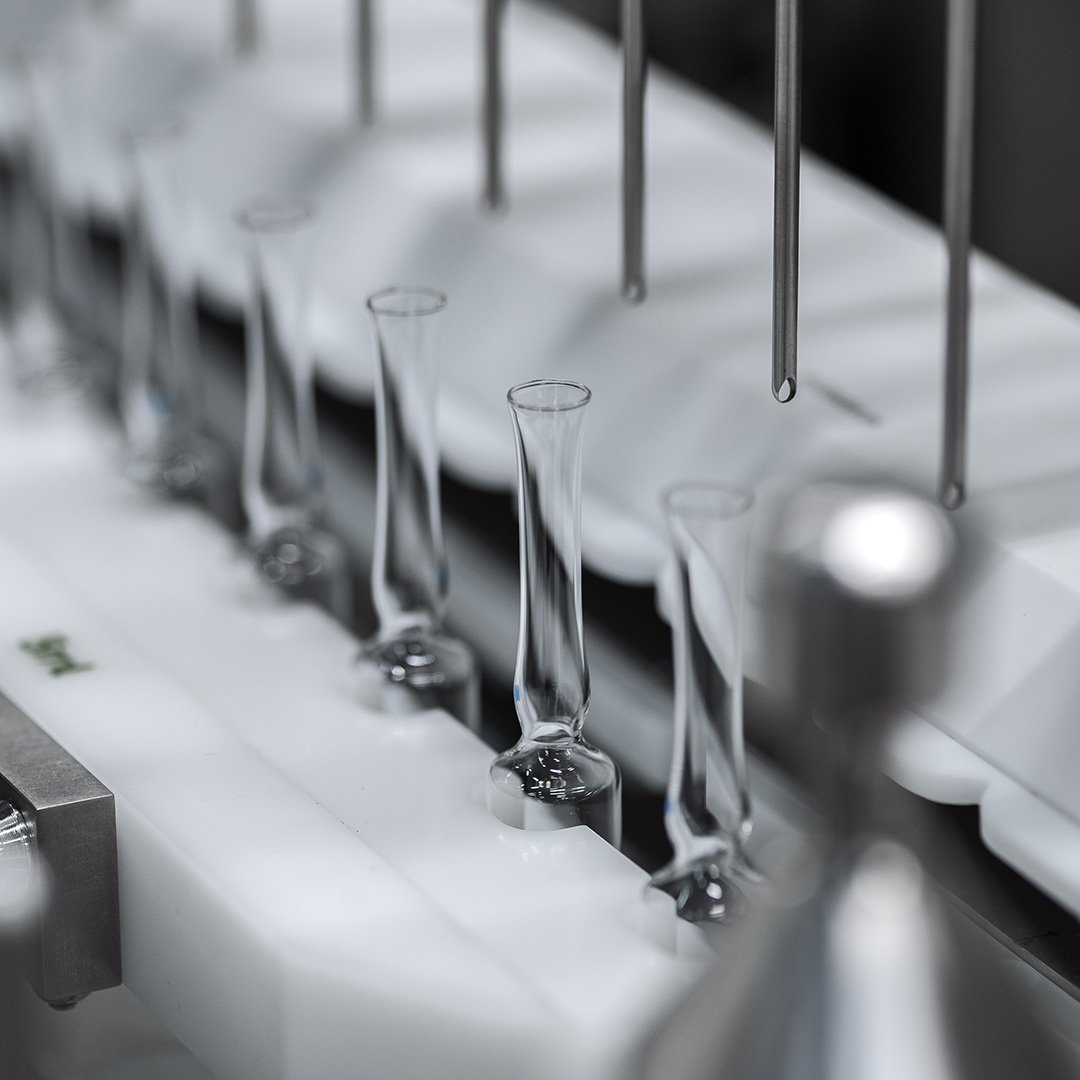
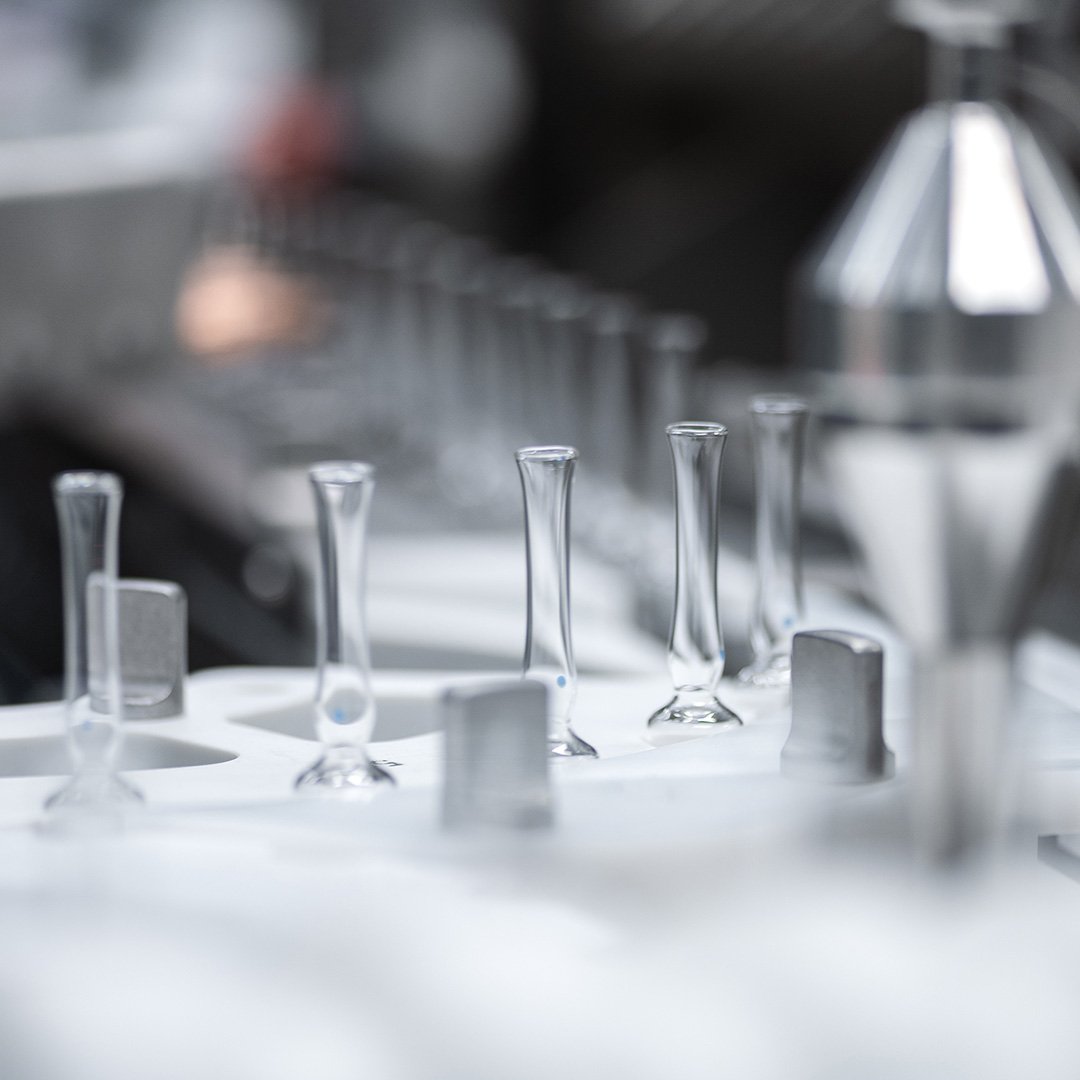
Fragile glass containers challenge transport systems, changeovers and burner settings on every shift. Missed adjustments or manual corrections often lead to scratches or cosmetic defects that delay batch release.
Standardized handling concepts help secure container quality and reduce scrap. Syntegon supports you with setup, operator training and lifecycle service so performance remains reproducible.
How do you keep ampoule lines stable and Annex 1-compliant over time?
Unplanned stops, frequent manual interventions and complex maintenance routines put aseptic stability and project timelines at risk. At the same time updated Annex 1 requirements raises the bar for contamination control and documentation.
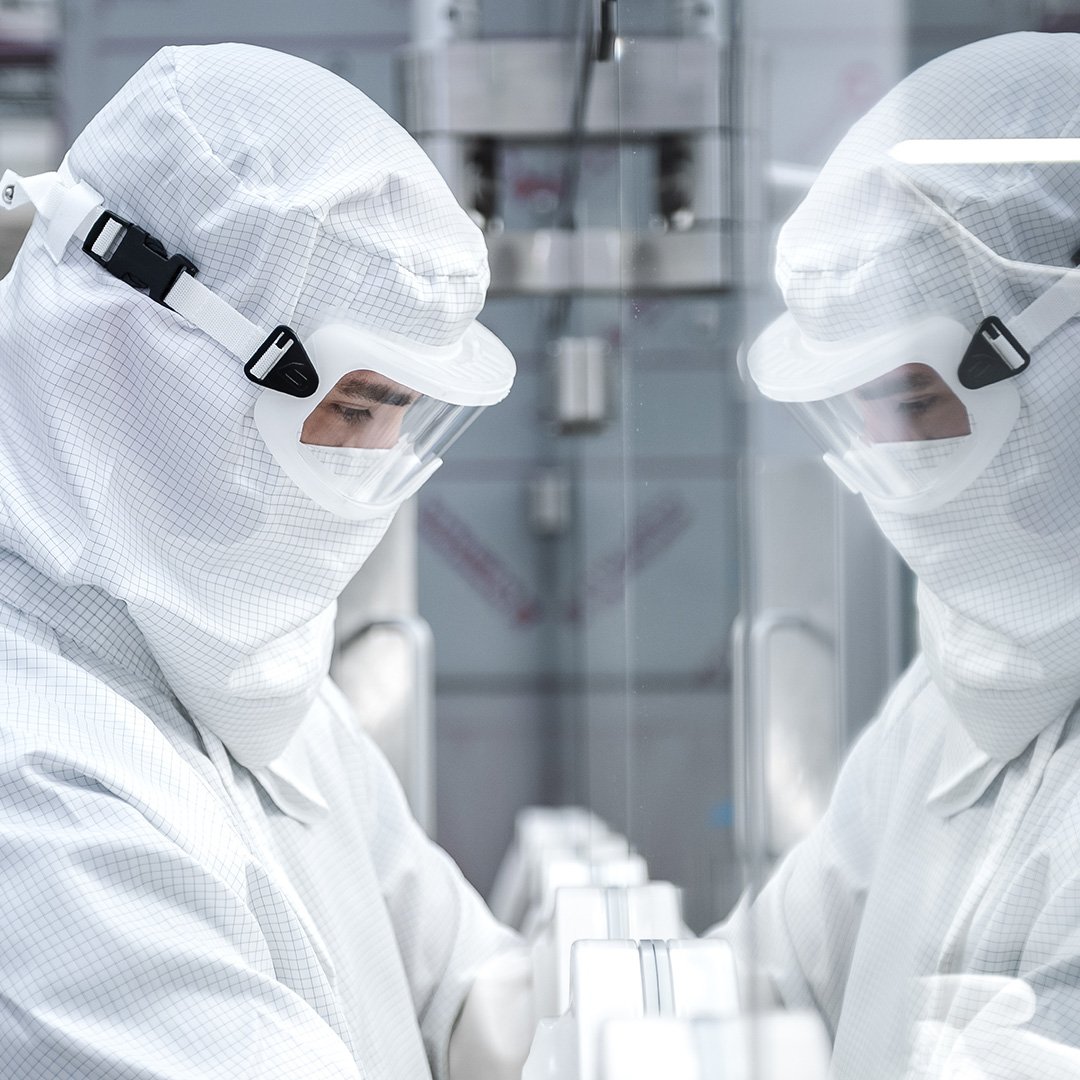
Proven machine designs prepared for RABS or isolator use combined with lifecycle services help reduce intervention frequency, simplify maintenance planning and support GMP and Annex 1 requirements.
End-to-end ampoule filling lines for Annex 1 focused production
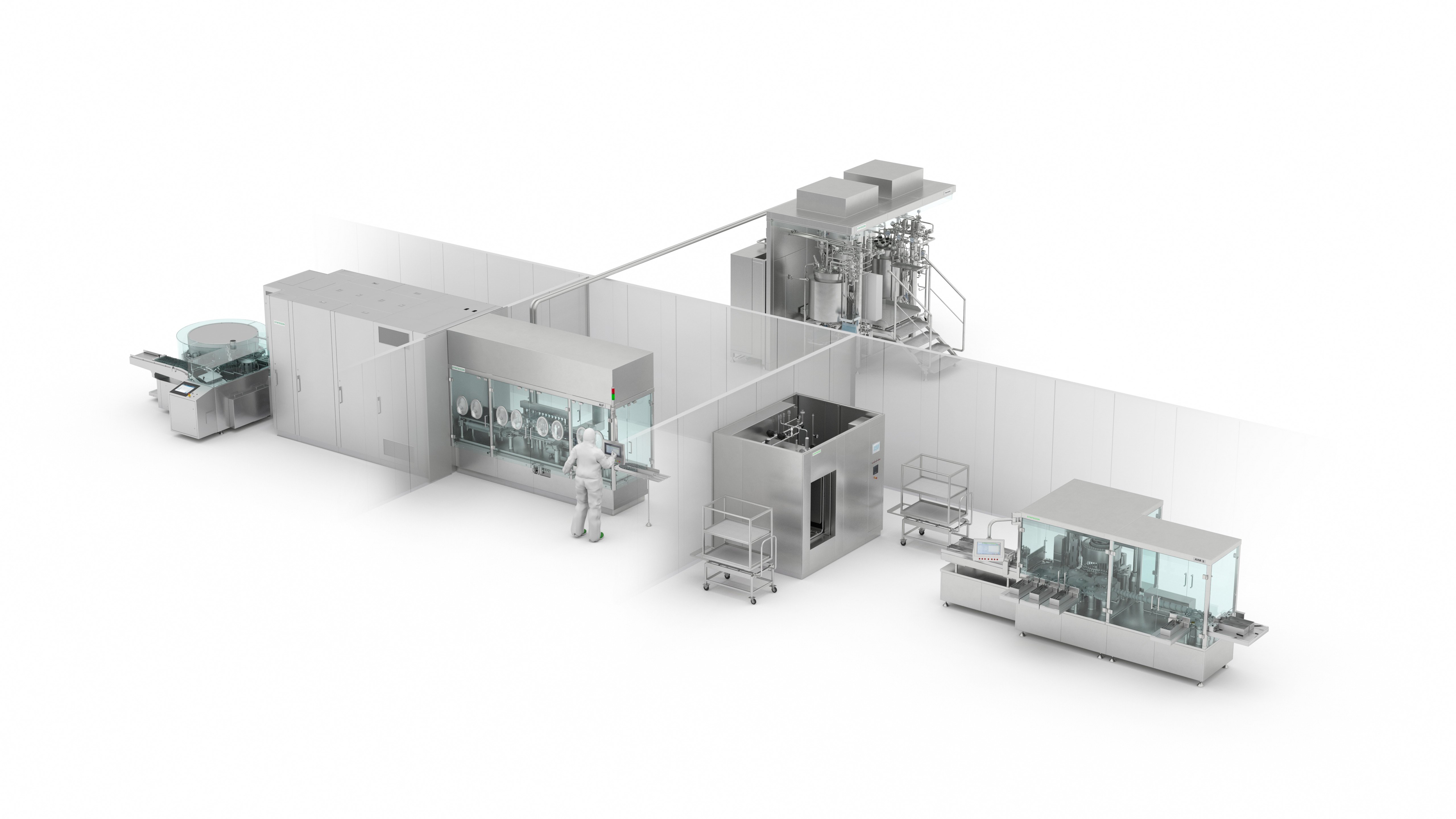
Formulation and pure media for product safety
Prepare liquid formulations and WFI to protect product quality and feed your ampoule filling line reliably.
Ampoule pretreatment
Clean, sterilize and depyrogenate ampoules so they enter the filling machine particle-free and ready for aseptic processing.
Filling and closing for flexible ampoule batches
Fill and close ampoules in an Annex 1-compliant filling machine.
Isolator technology that limits interventions
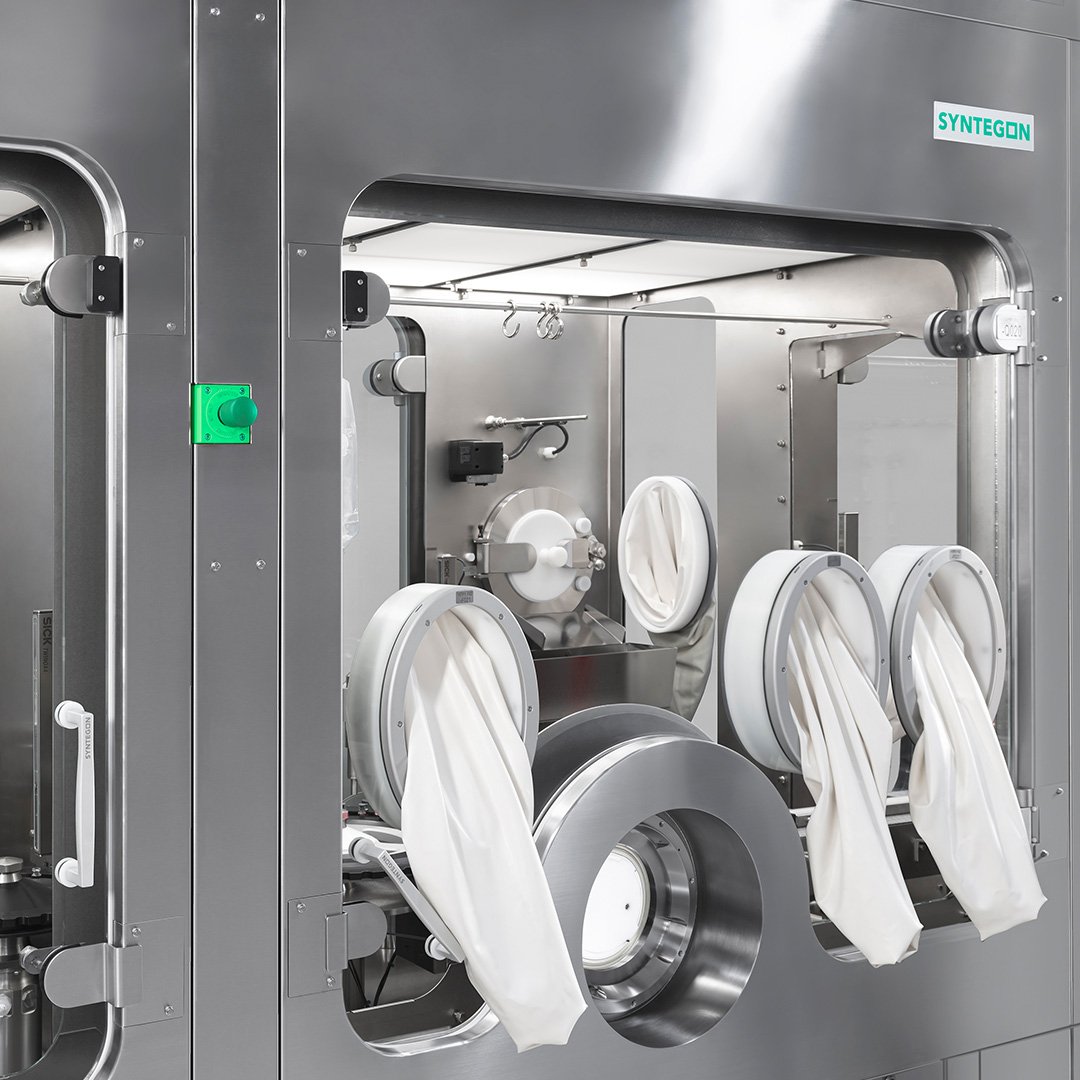
Separate operators from the aseptic area with isolators or RABS designed to help you meet applicable regulations.
Inspection that secures batch release
Use inline and end-of-line inspection to detect particles, cosmetic defects and leaks early so you protect every batch.
Sterilization that supports aseptic safety
Apply dry heat sterilization for components so your aseptic area receives sterilized equipment.
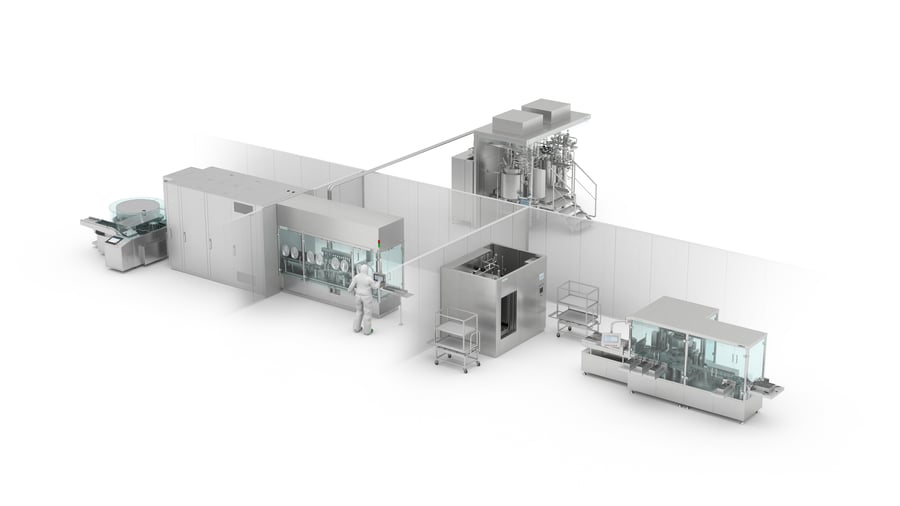
Formulation and pure media for product safety
Prepare liquid formulations and WFI to protect product quality and feed your ampoule filling line reliably.
Ampoule pretreatment
Clean, sterilize and depyrogenate ampoules so they enter the filling machine particle-free and ready for aseptic processing.
Filling and closing for flexible ampoule batches
Fill and close ampoules in an Annex 1-compliant filling machine.
Isolator technology that limits interventions
Separate operators from the aseptic area with isolators or RABS designed to help you meet applicable regulations.
Inspection that secures batch release
Use inline and end-of-line inspection to detect particles, cosmetic defects and leaks early so you protect every batch.
Sterilization that supports aseptic safety
Apply dry heat sterilization for components so your aseptic area receives sterilized equipment.
Explore the complete line
Compare ALF 4000 and ALF 5000 ampoule fillers
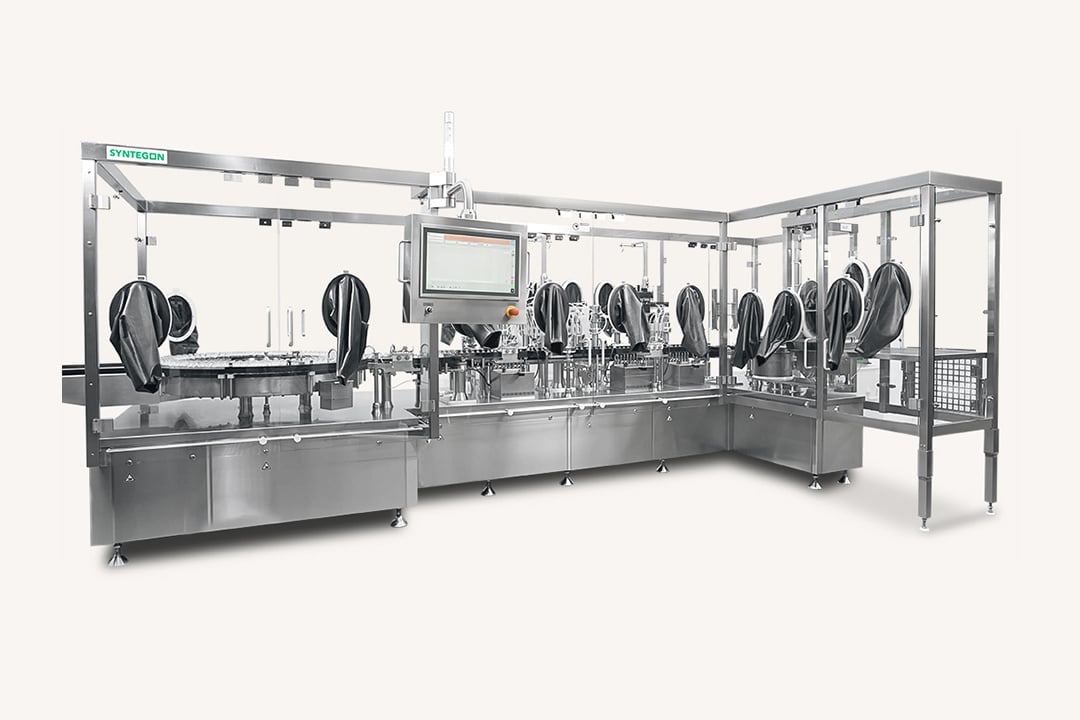
ALF 5000
Best if you want:
- Safe flexible high-speed combi line for ampoules and vials
- Gentle handling with carried transport
- 100% in-process control
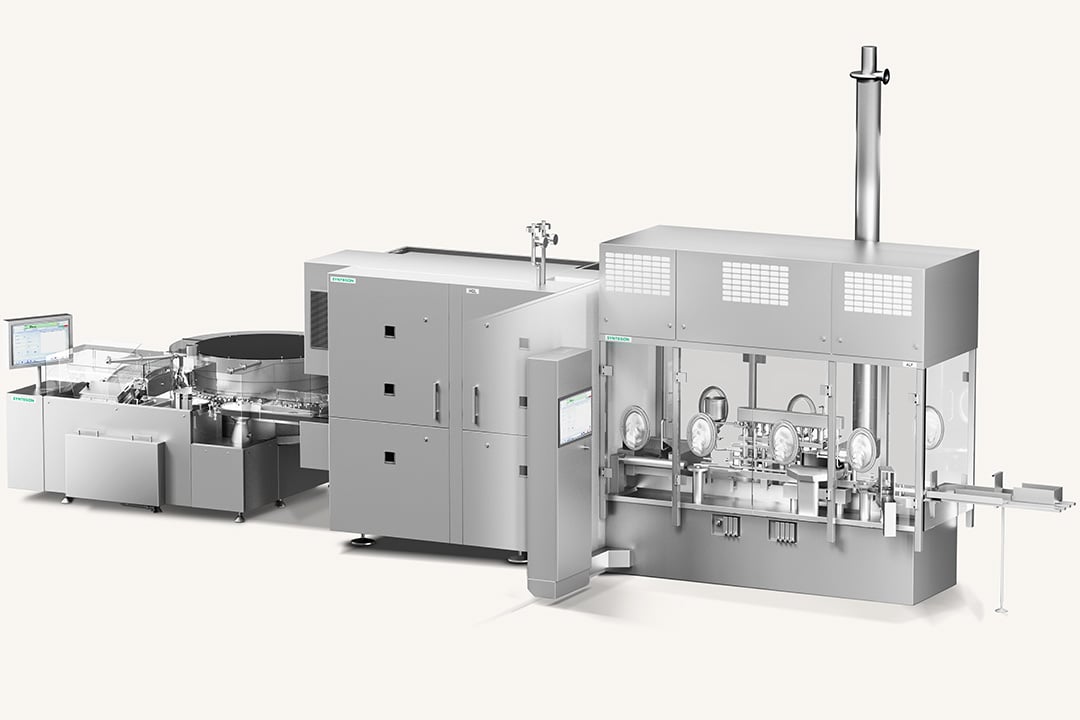
ALF 4000
Best if you want:
- Compact medium to high output line
- Gentle glass handling
Ampoule filing and sealing machine highlights for reliable performance
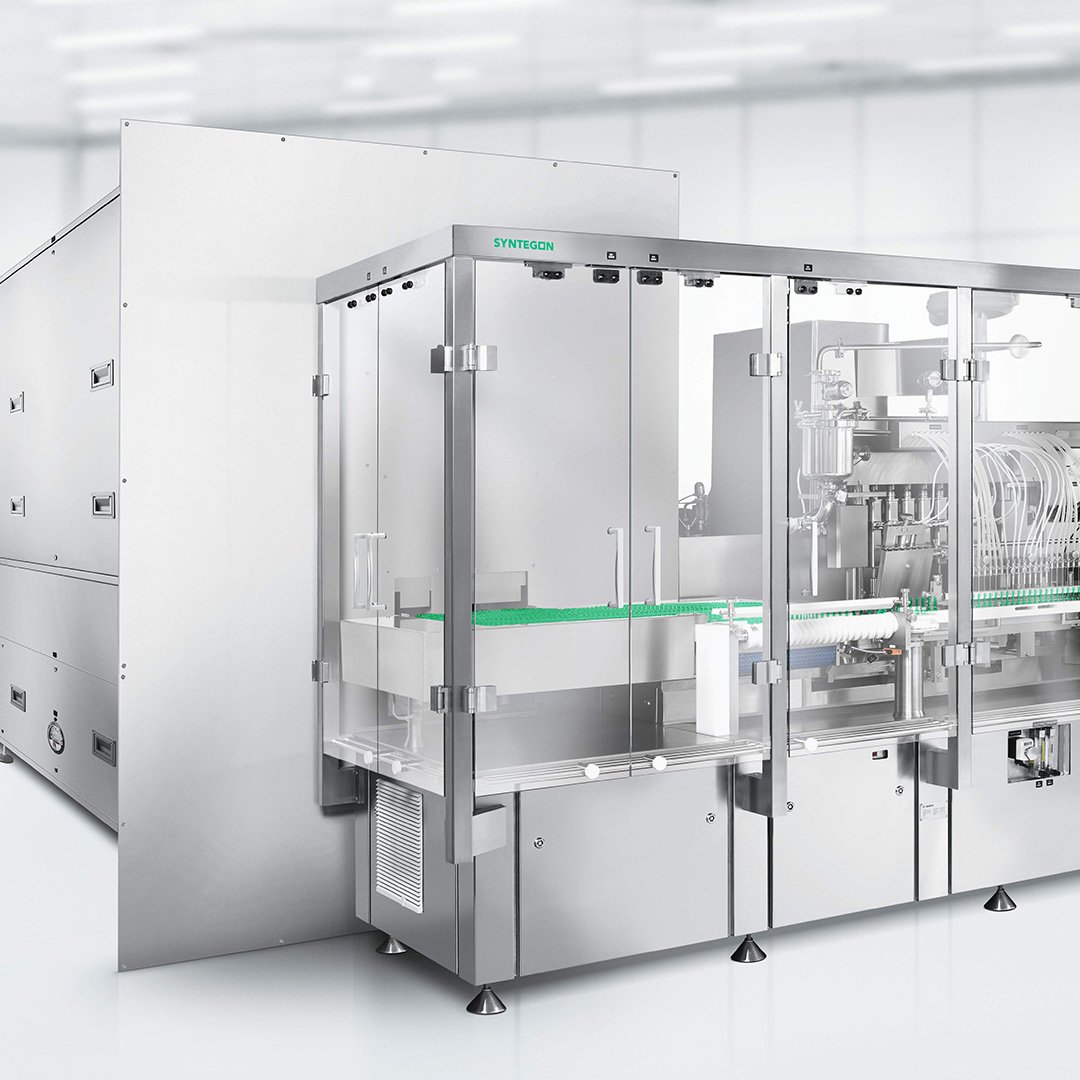
Decades of proven ampoule filling performance
Use established machine platforms to reduce ramp up risk and support long, reliable service life. Decades of ampoule experience are built into the design, from transport to flame sealing, so performance does not have to be reinvented with every project.
- Lower project risk thanks to well‑proven concepts instead of first‑of‑its‑kind designs
- Stable long term output with less fine‑tuning and fewer unexpected stops
- Easier internal approval and standardization across sites and product portfolios
High efficiency from compact line layouts
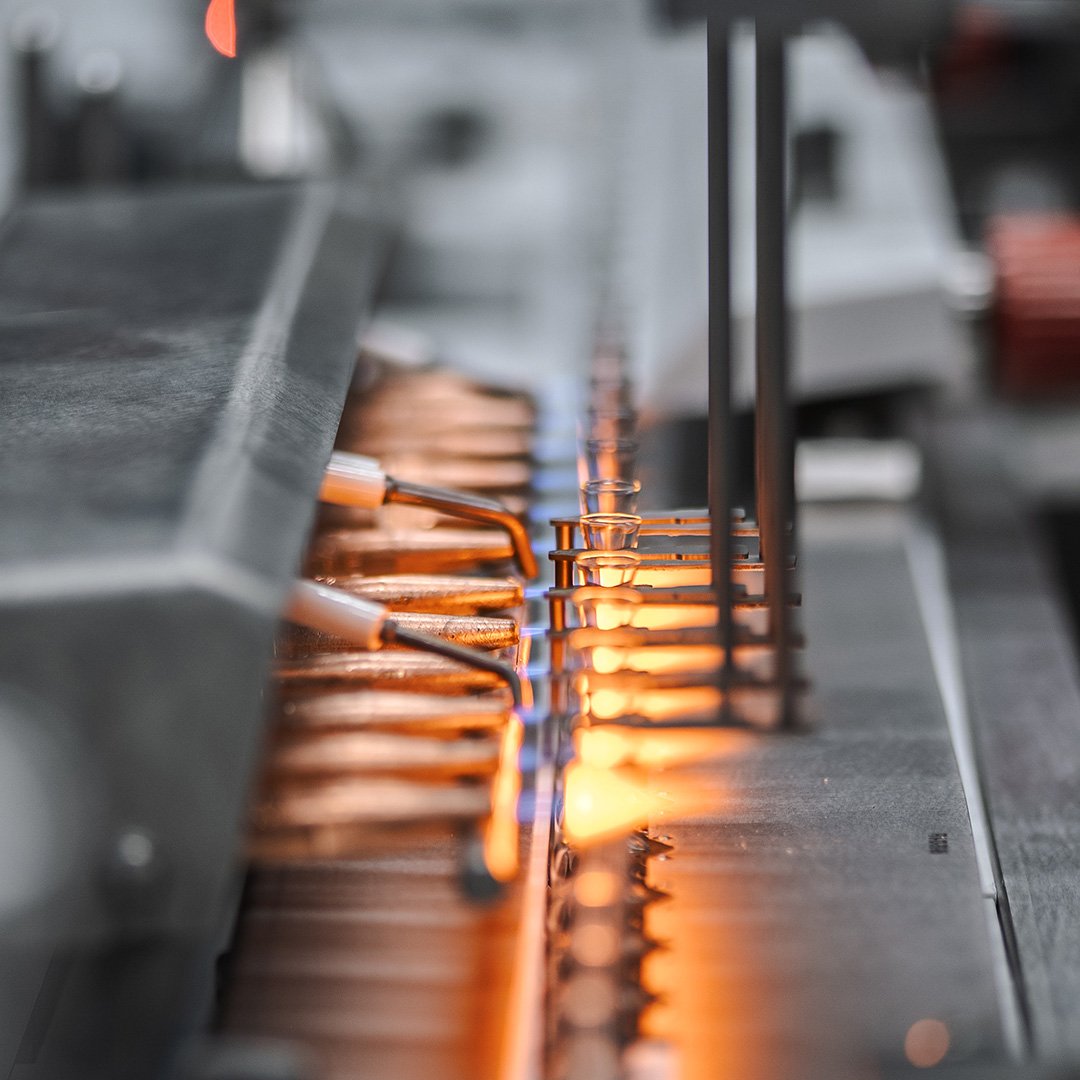
Compact machine layouts shorten product paths and limit handling steps, which helps protect fragile glass containers. At the same time, tightly controlled flame parameters ensure consistent, cosmetic‑grade sealing quality across the batch.
- Reduced glass damage because ampoules are handled gently and over shorter distances
- Fewer rejects and reworks due to stable, repeatable flame closing and less manual correction
- Better use of leanroom floor space, enabling higher capacity in existing rooms or smaller new installations
Ampoule solutions ready for RABS and isolators
Barrier‑ready designs make it easier to align ampoule lines with Annex 1 expectations today and in the future. Machine concepts are prepared for RABS or isolator integration, with attention to accessibility, cleanability and reduced operator interventions.
- Easier RABS integration through layouts, guarding and access points designed with barriers in mind
- Equipment prepared for Isolator use
- Fewer aseptic interventions and improved contamination control, helping you meet applicable GMP and Annex 1 expectations over the lifecycle
Frequently asked questions
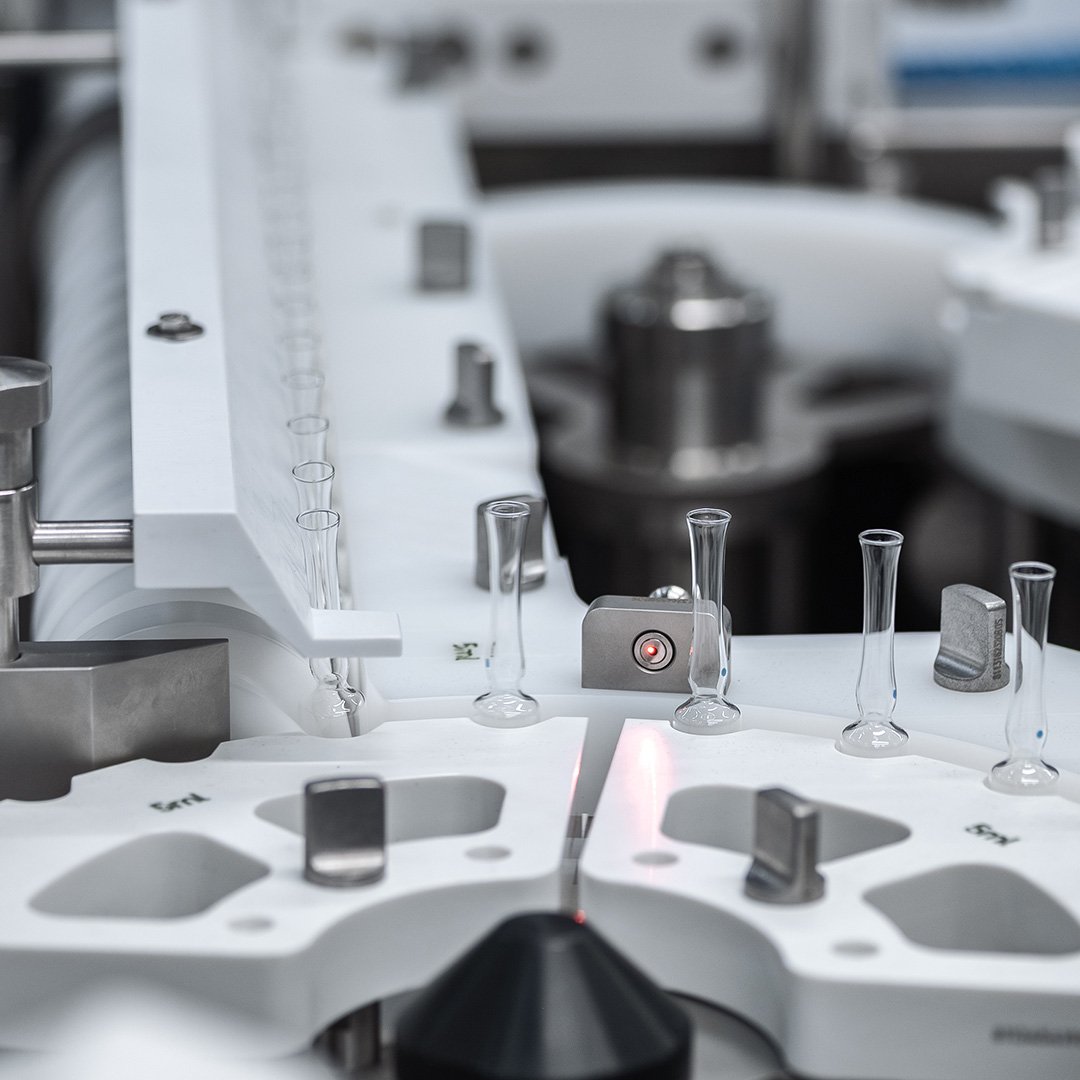
An Ampoule Filing and Sealing machine is the aseptic core of an ampoule production line. It fills liquid pharmaceuticals into glass ampoules and flame seals them under controlled conditions. Syntegon designs these machines for various different products, with gentle handling, accurate dosing and secure sealing as central design targets.
Syntegon ampoule filling machines process standard ampoule sizes and, in the combi version, also vials. The portfolio covers small liquid fills for ampoules as well as higher fill volumes up to 500 ml for selected vial formats, depending on the model. Engineers can select the right range based on product, container and campaign mix.
Syntegon ampoule production lines are designed for Annex 1 focused aseptic concepts, with options for RABS or isolator integration that separate operators from the aseptic area. Layouts combine washing, depyrogenation, filling, closing and inspection so you can implement contamination control strategies and documentation that help you meet applicable GMP and Annex 1 expectations.
Ampoules require gentle glass handling and reproducible flame sealing to avoid breakage, cosmetic defects and leakers. Syntegon uses proven transport concepts and controlled burner technology to keep movement stable and flame parameters consistent. This supports container quality and helps reduce scrap, interventions and rework in daily production.
Cost per filled ampoule is a key KPI under price pressure in liquid pharma. Syntegon supports this with compact line layouts, optimized machine functionality and consistent flame control that stabilizes throughput and sealing quality. Fewer stops, reduced scrap and easier maintenance help keep unit cost predictable while you maintain GMP focused quality standards.
Yes. Automatic ampoule filling and sealing machines from Syntegon integrate into complete lines with formulation, washing, depyrogenation, sterilization, inspection and secondary packaging. Interface design, buffer concepts and layout engineering ensure smooth product and data handover between units so you can upgrade the aseptic core without rebuilding every surrounding process step.
Syntegon designs control systems so they can integrate into modern automation landscapes and support data collection for OEE and batch documentation. Depending on your site standards, machines can exchange signals with MES, SCADA or line monitoring tools. This reduces manual data handling and supports data integrity objectives for ampoule production lines.
Ampoules are usually liquid finished products, while lyophilization mainly targets vial based products. Syntegon can design concepts where ampoule filling lines and vial filling and lyophilization lines share upstream or downstream infrastructure, for example formulation or inspection. This keeps facility use efficient while you run liquid ampoules and lyo vials in one coordinated setup.
Syntegon offers lifecycle services from installation and qualification through preventive maintenance, spare parts and training to upgrades and modernization. Service concepts address long service lives, obsolescence risk and changing Annex 1 or GMP expectations. This helps you maintain availability, plan budgets and keep your ampoule production line aligned with future technical and regulatory needs.
Interested in ampoule filling machines?
Talk to a Syntegon expert to learn more about ampoule filling machines.
News
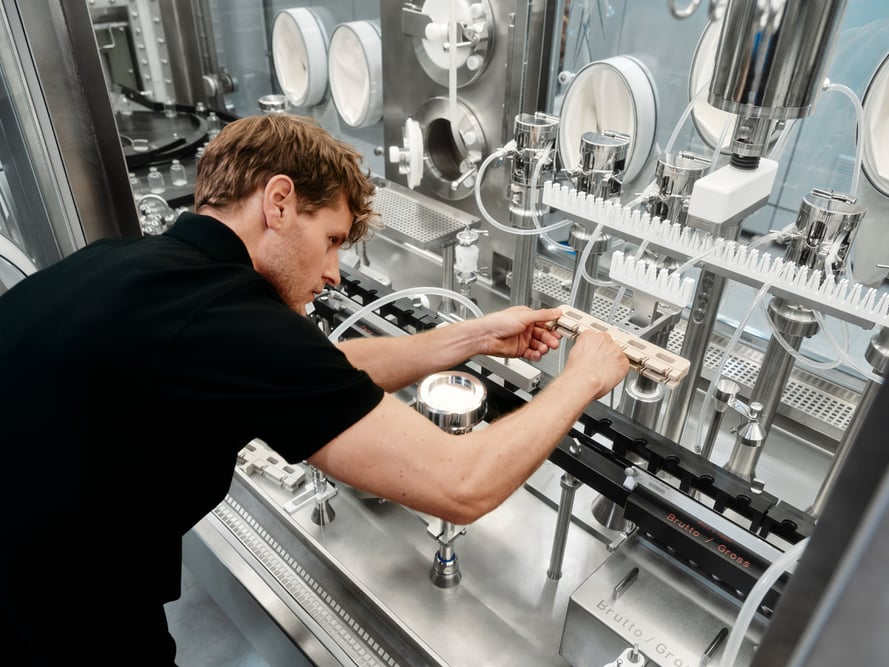
Discover how Syntegon delivered 8 high-potent ADC vial filling lines in China, supporting fast, high-quality pharma production.
Improve the energy and media efficiency of Pharmatec PSG pure steam generators with Syntegon Services and reduce costs with simple upgrades.
Discover Syntegon's innovative processing and filling technologies at FCE Pharma 2026 in São Paulo, showcasing our commitment to the evolving pharmaceutical market.