
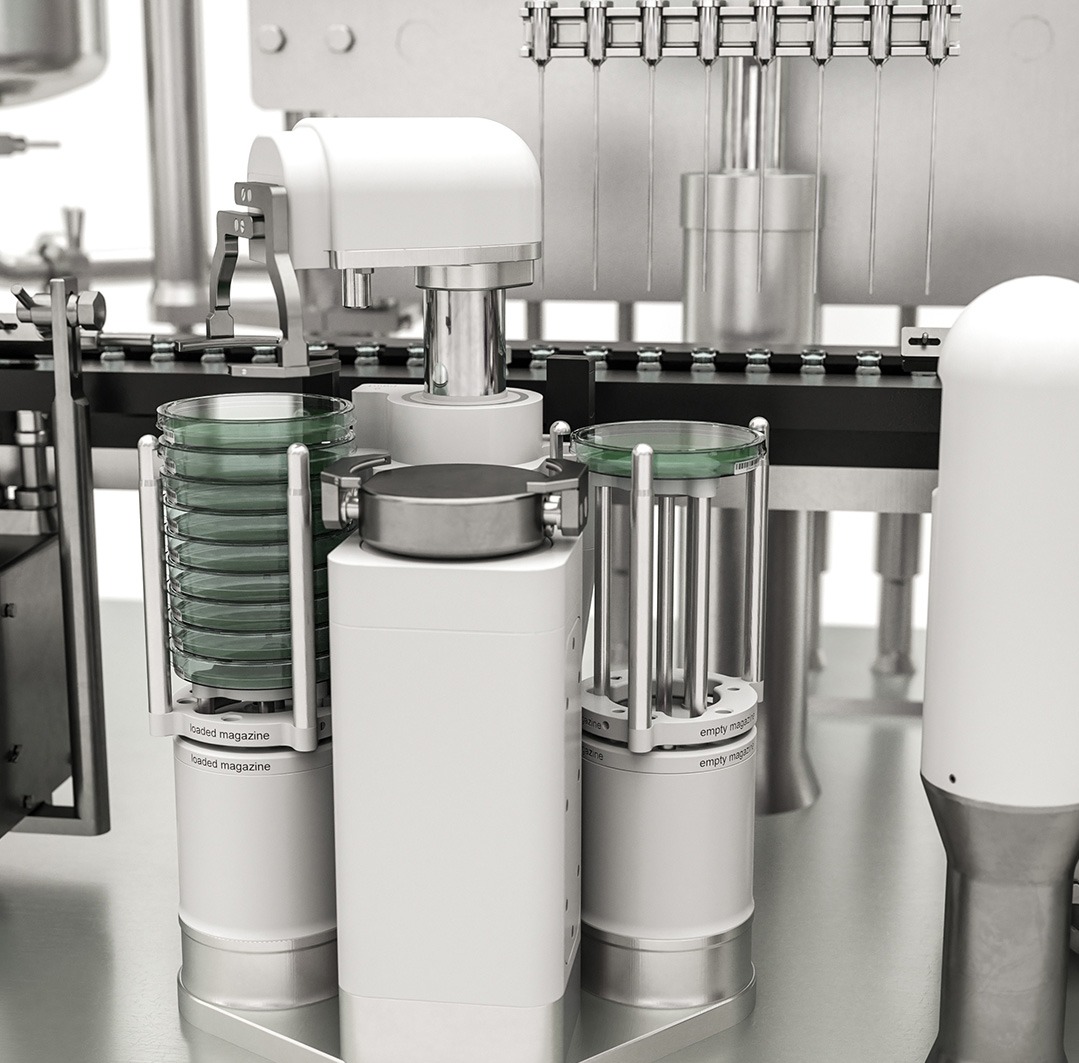
Regulatory compliance, proven automation, real-time detection
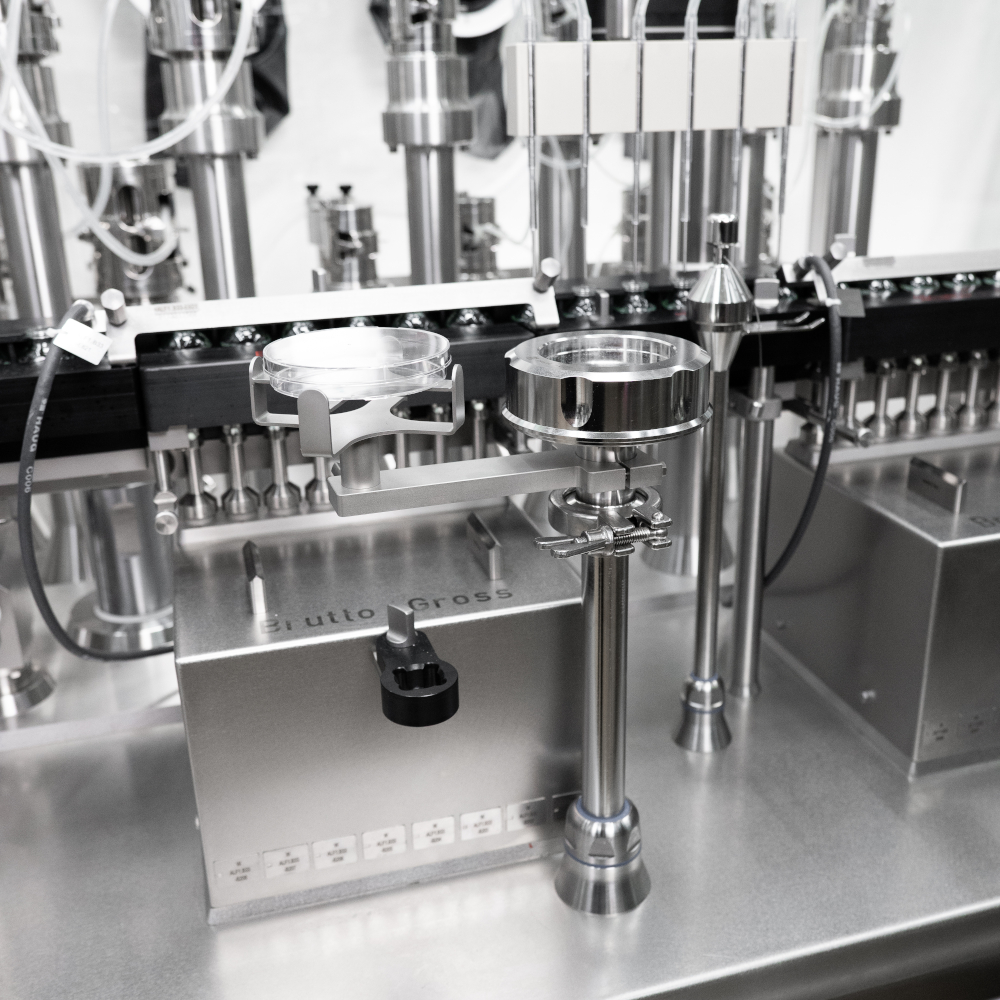

Find the right environmental monitoring solution for your line
Overall 4 Solutions
Monitoring mode
Handling concept
Integration fit
Manual intervention impact
Change interval or runtime
Retrofit or deployment scope
Data and traceability
Benefits
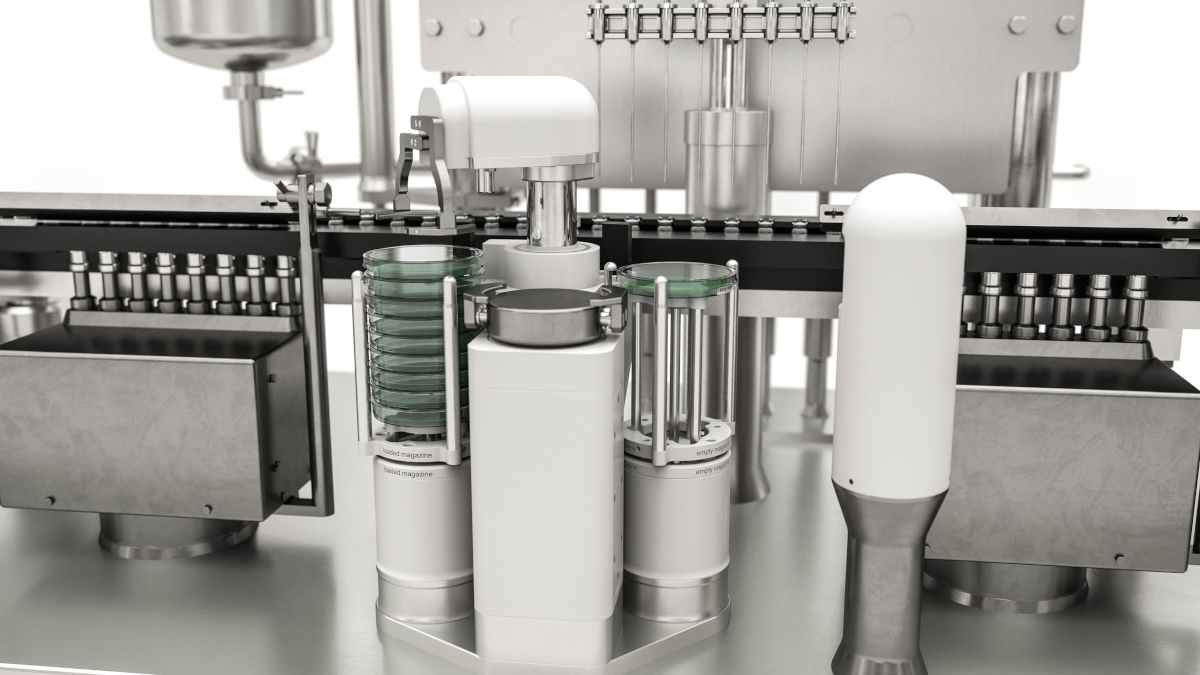
SPC 2000
Monitoring mode
Passive viable monitoring
Handling concept
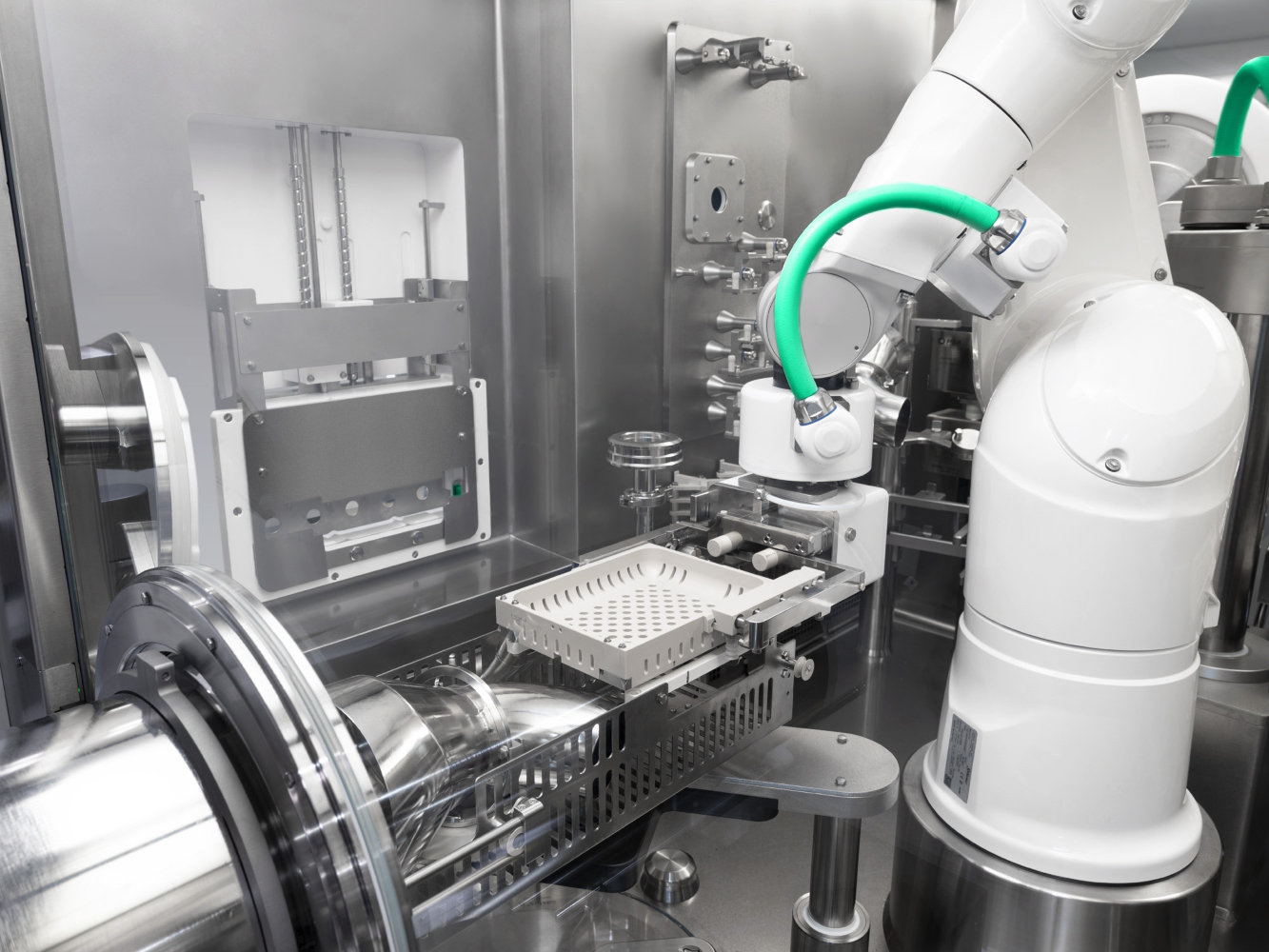
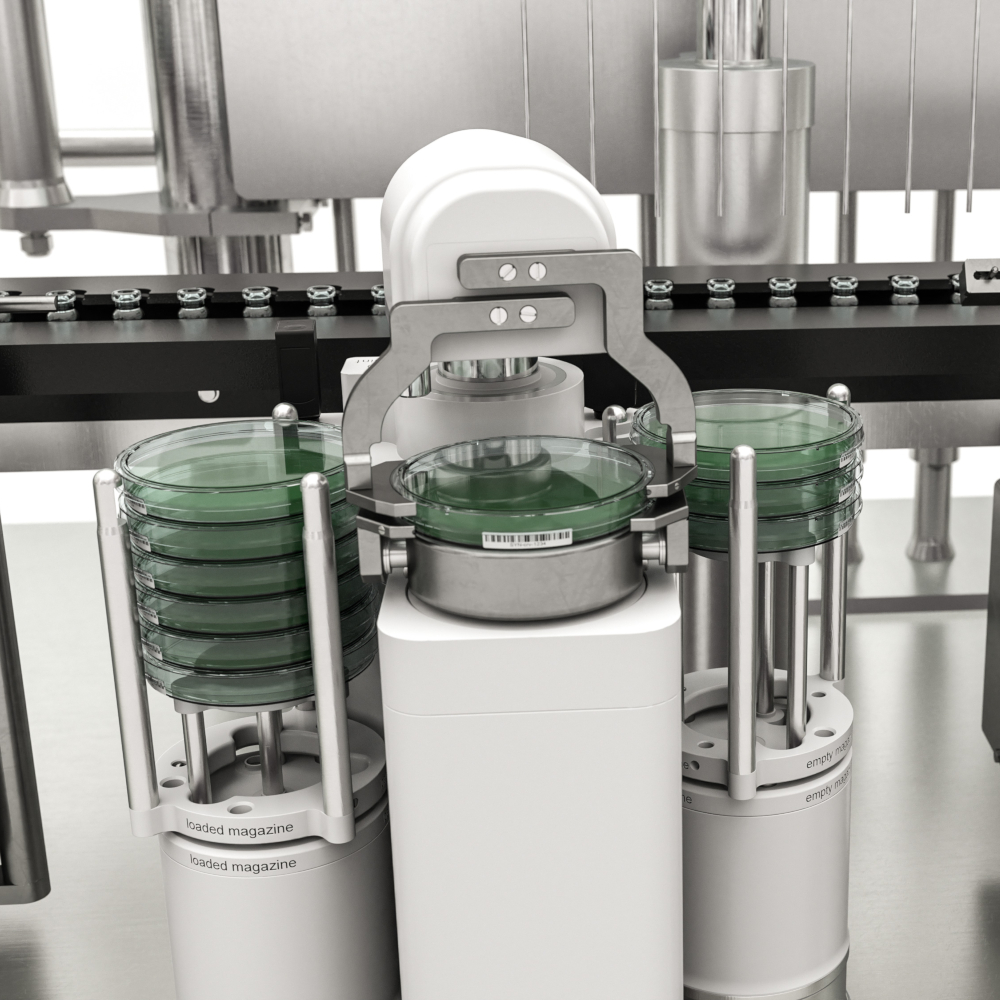
Magazine and gripper automate settle plate exchange
Integration fit
Isolators and RABS
Manual intervention impact
Manual interventions reduced by 80%
Change interval or runtime
Minimum 24-hour plate exchange interval
Retrofit or deployment scope
New machine or retrofit across all brands, types and controls
Data and traceability
Standardized exposure data transfer, optional barcode scanning
Benefits
Best if you want:
- Automate passive viable monitoring in existing aseptic lines
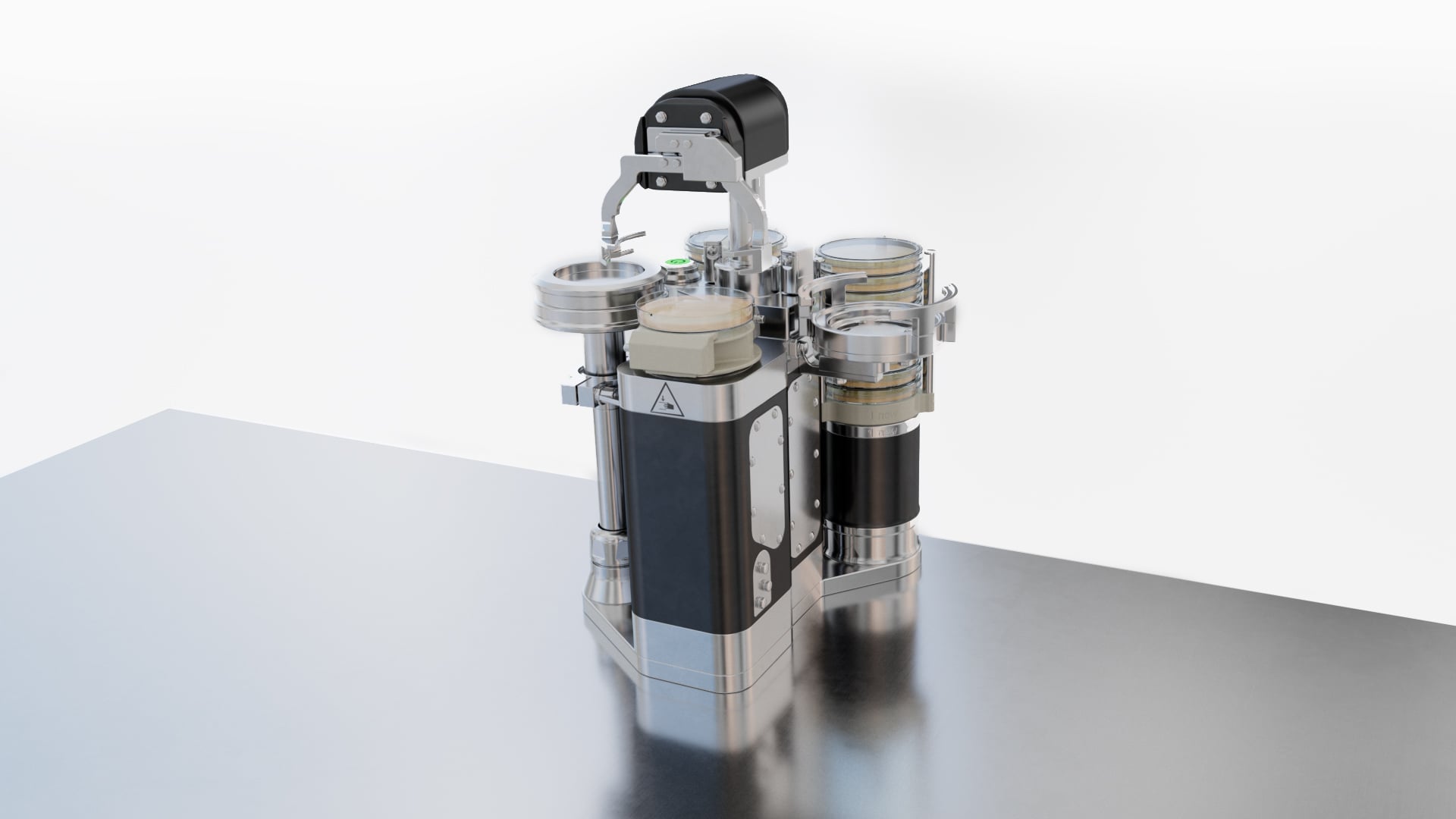
SPC 4000
Monitoring mode
Active and passive viable monitoring
Handling concept
Magazine and gripper automate settle plate and air sampling head handling
Integration fit
Isolators and RABS
Manual intervention impact
Manual interventions reduced by approx. 95%
Change interval or runtime
Minimum 24-hour plate exchange interval
Retrofit or deployment scope
New machine or retrofit across all brands, types and controls
Data and traceability
Standardized exposure data transfer, optional barcode scanning
Benefits
Best if you want:
- Combine active and passive monitoring in one system

Robot-Assisted Viable Air Sampling
Monitoring mode
Active viable air sampling in the process zone
Handling concept
Robotic positioning of the air sampling head during production
Integration fit
Aseptic production environments
Manual intervention impact
Reduces manual sampling access in the process zone
Change interval or runtime
Defined by sampling schedule
Retrofit or deployment scope
Dependent on-site configuration
Data and traceability
Sampling data transferable to higher-level systems
Benefits
Best if you want:
- Automate active air sampling with robotic positioning
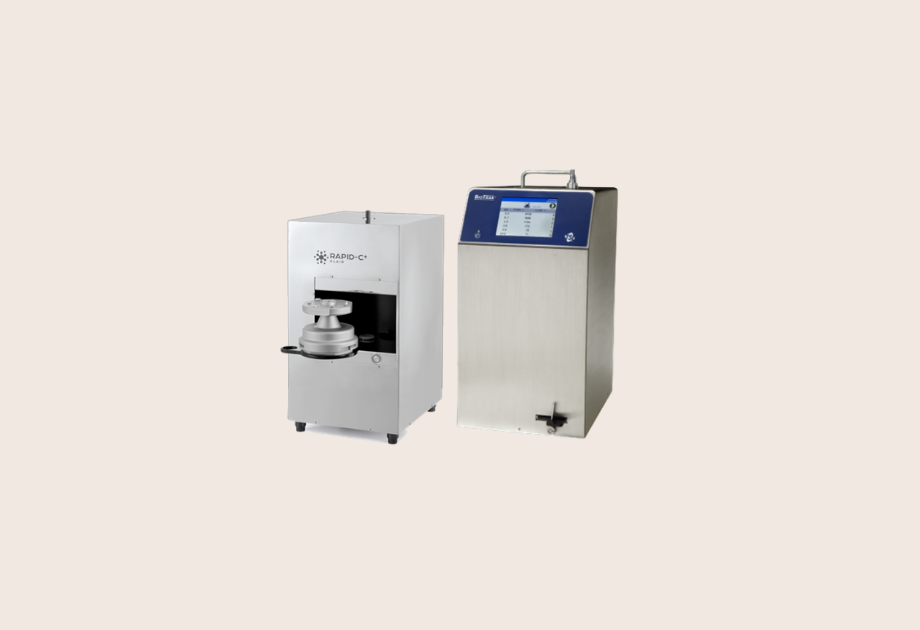
Biofluorescent Particle Counter
Monitoring mode
Real-time viable and non-viable particle detection
Handling concept
Continuous airborne particle sensing with no plate handling required
Integration fit
Aseptic production environments
Manual intervention impact
No routine plate changes required
Change interval or runtime
Continuous operation during production
Retrofit or deployment scope
Dependent on-site configuration
Data and traceability
Real-time particle data with in-shift deviation signals
Benefits
Best if you want:
- Detect deviations in-shift without retrospective plate reads
https://www.syntegon.com/hubfs/02_downloads/Settle_Plate_Changer_SPC_4000_Brochure_EN%20(1).pdf|settleplate-changer-4000-en
 https://www.syntegon.com/hubfs/02_downloads/Settle_Plate_Changer_SPC_4000_Brochure_EN%20(1).pdf|
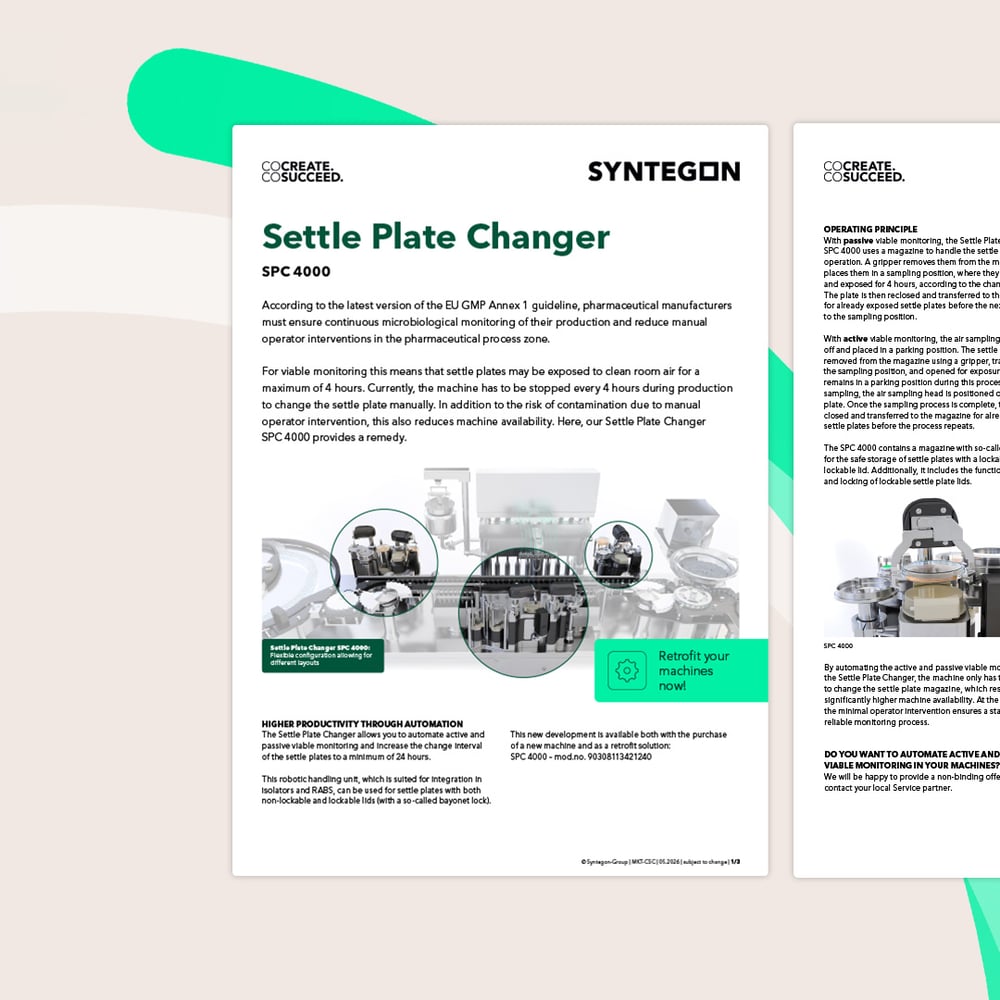
See how SPC 4000 automates plate handling
Environmental monitoring built for longer running production

.png?width=1200&name=Flyer_SPC_2000_2%20(1).png)



https://www.syntegon.com/hubfs/02_downloads/20260331_Flyer_Barrier_Systems_DE-1.pdf|new-ci-featureddownload-settleplate
https://www.syntegon.com/hubfs/02_downloads/Settle_Plate_Changer_SPC_4000_Brochure_EN%20(1).pdf|settleplate-changer-4000-en
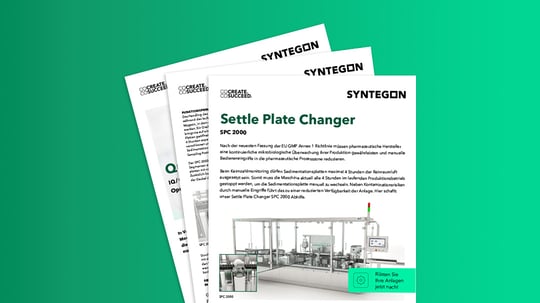
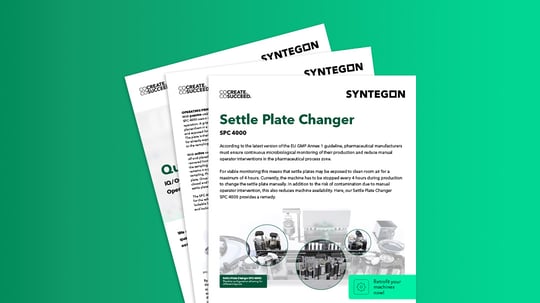
Environmental Monitoring knowledge hub
SPC 2000 flyer
Learn how automated passive EM cuts interventions and improves availability in aseptic lines.
SPC 4000 flyer
See how one system combines active and passive viable monitoring with fewer interventions.

Interested in automating your viable monitoring process through the Settle Plate Changer?
Request a quote.
News
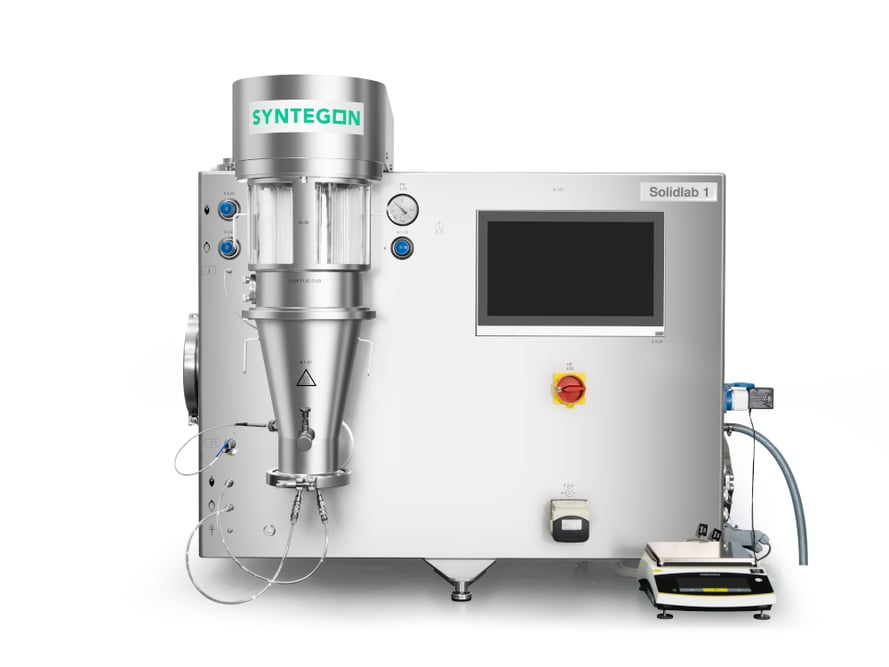
Syntegon brings R&D equipment to PharmSci 360
Discover Syntegon's dedication to U.S. scientists at PharmSci 360 in New Orleans, showcasing local expertise and advanced technologies for oral solid dosage forms.
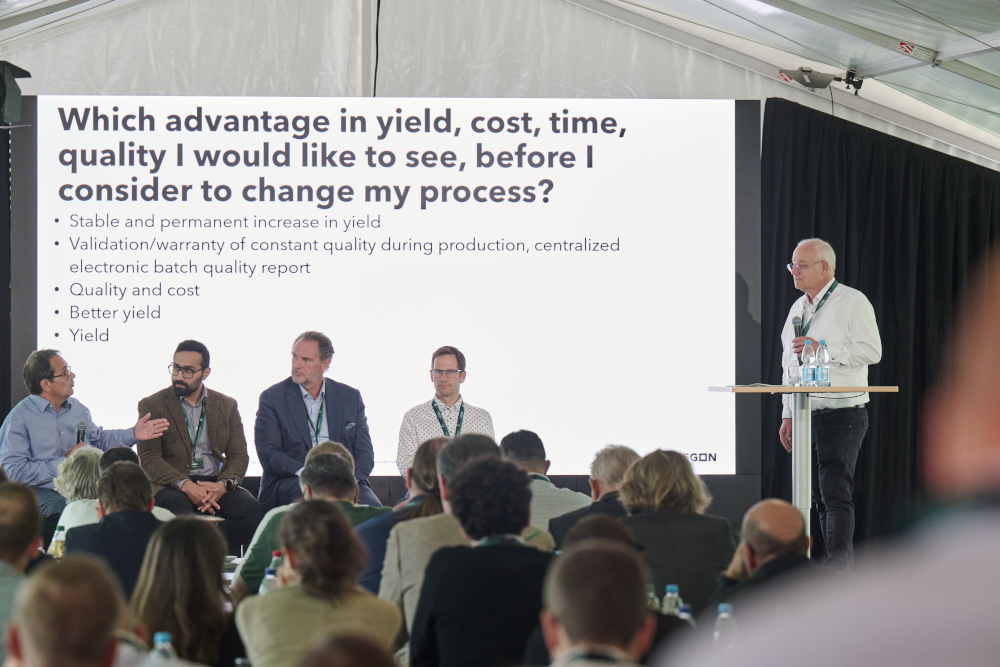
OSD Solution Summit – empowering the pharma industry
Explore the success of our first OSD Solution Summit, which took place on October 1-2, 2026, at the Pharma Solid headquarters in Fellbach.

SupplySide Global: Shaping the U.S. nutraceutical market
Meet Syntegon at SupplySide Global 2026 and discover flexible capsule filling and functional gummy solutions for efficient nutraceutical production.