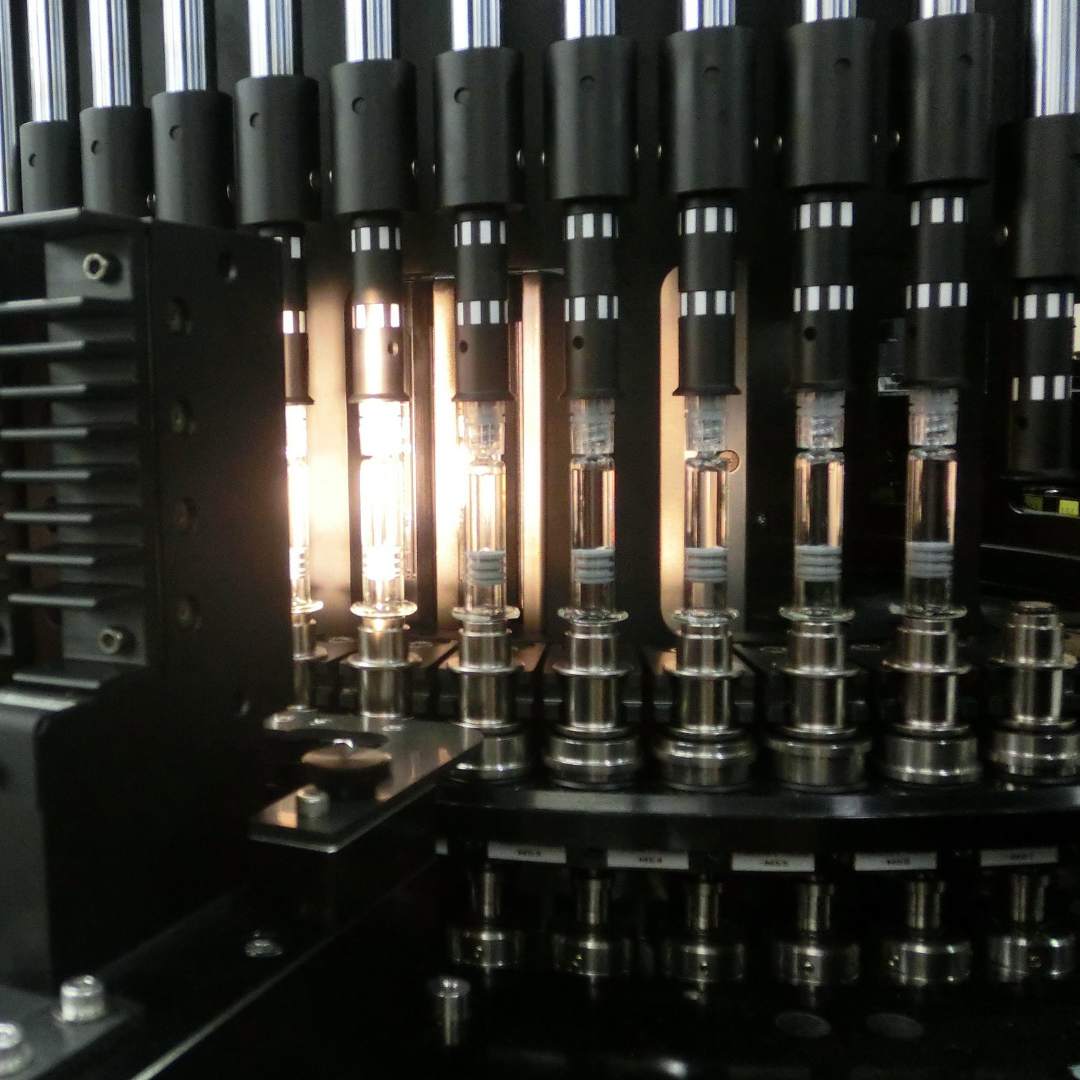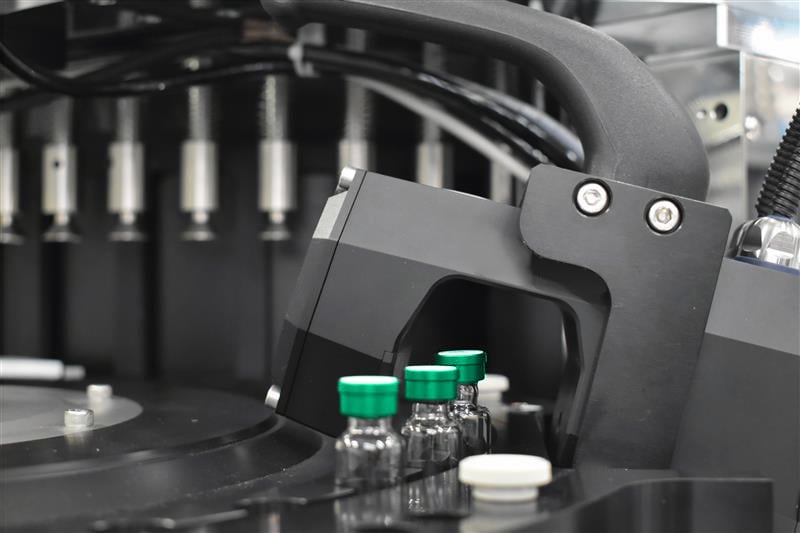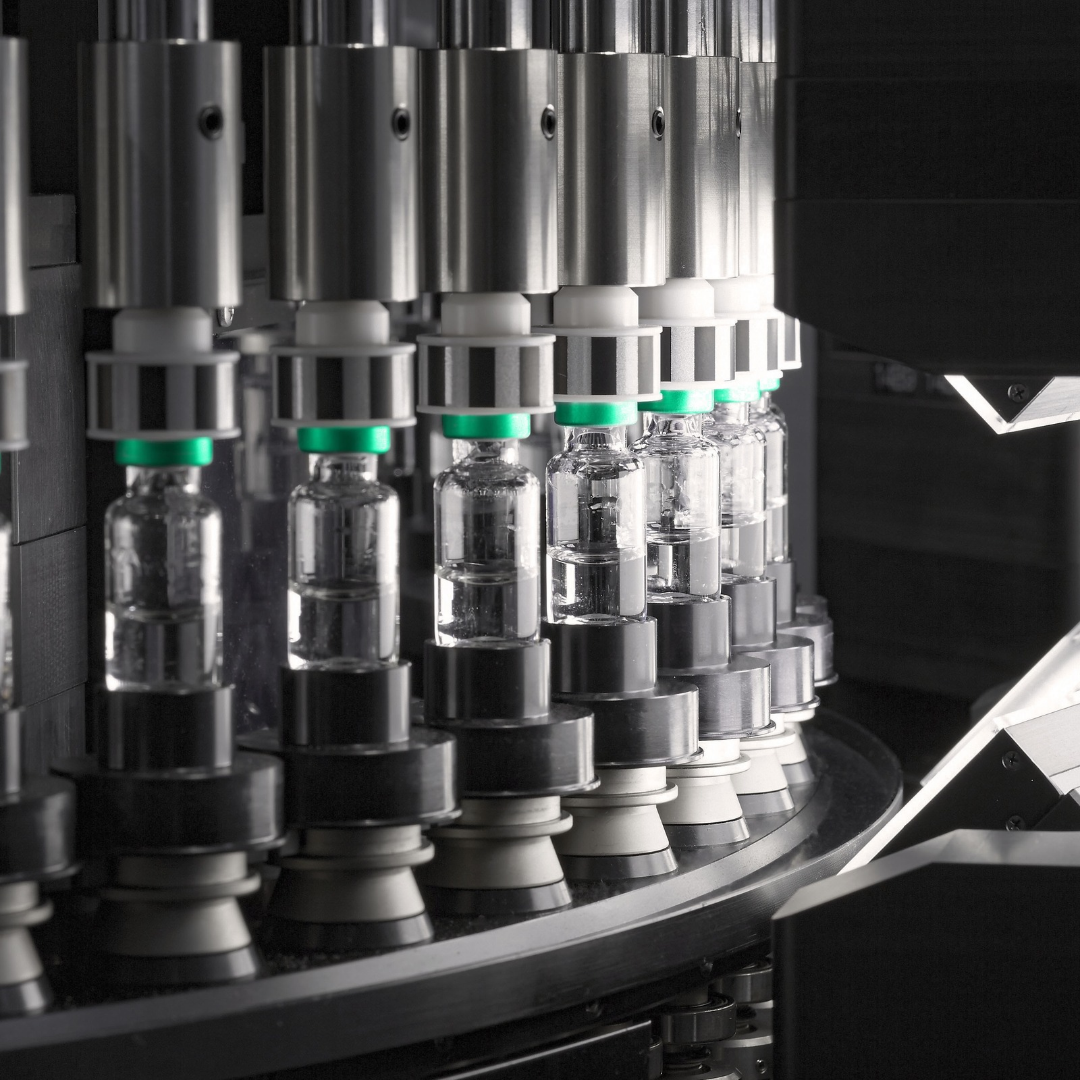
Automated Visual Inspection and integrated CCIT
With over 1,500 inspection machines installed worldwide, we are your trusted partner in delivering safe pharmaceuticals and achieving production success.
Let’s find the right solution for your inspection goals
Whether your products are water-like liquids, suspensions, or freeze-dried – and whether you're inspecting syringes, vials, ampoules, or cartridges – our automated inspection machines deliver exceptional reliability and efficiency, with the capability to inspect up to 600 containers per minute.
Find the right automated inspection solution for your pharmaceutical products
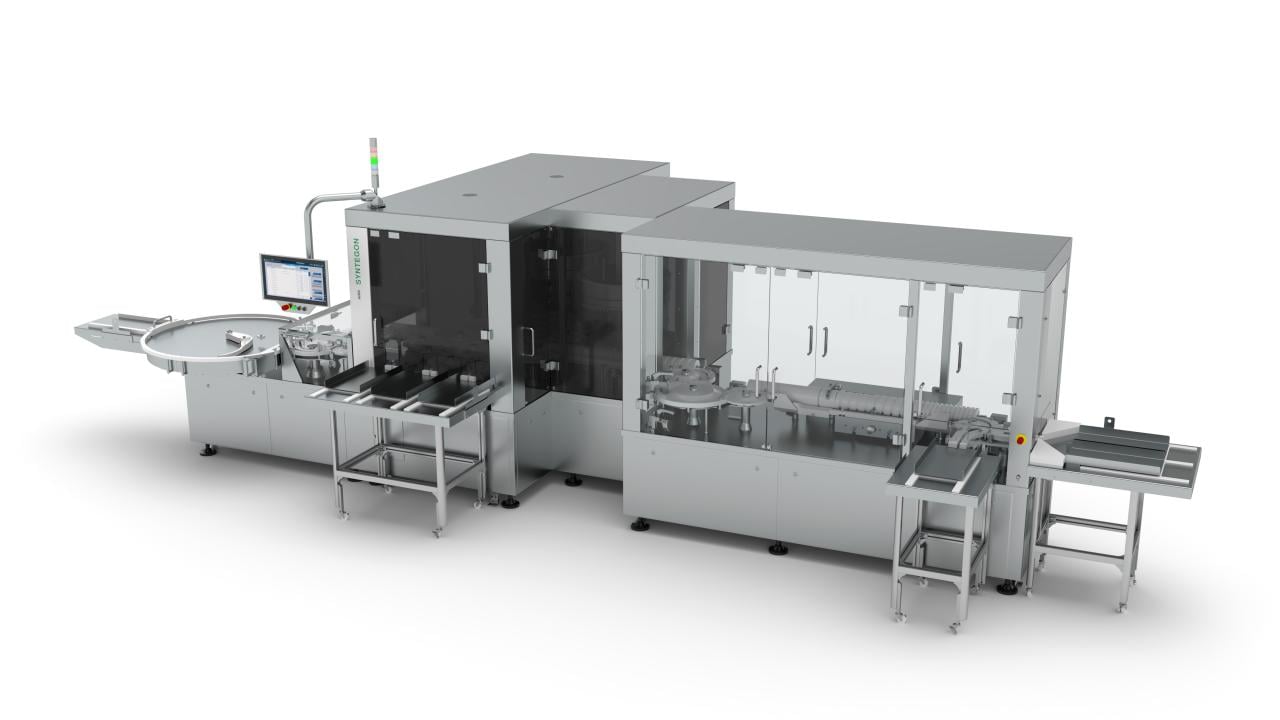
AIM9
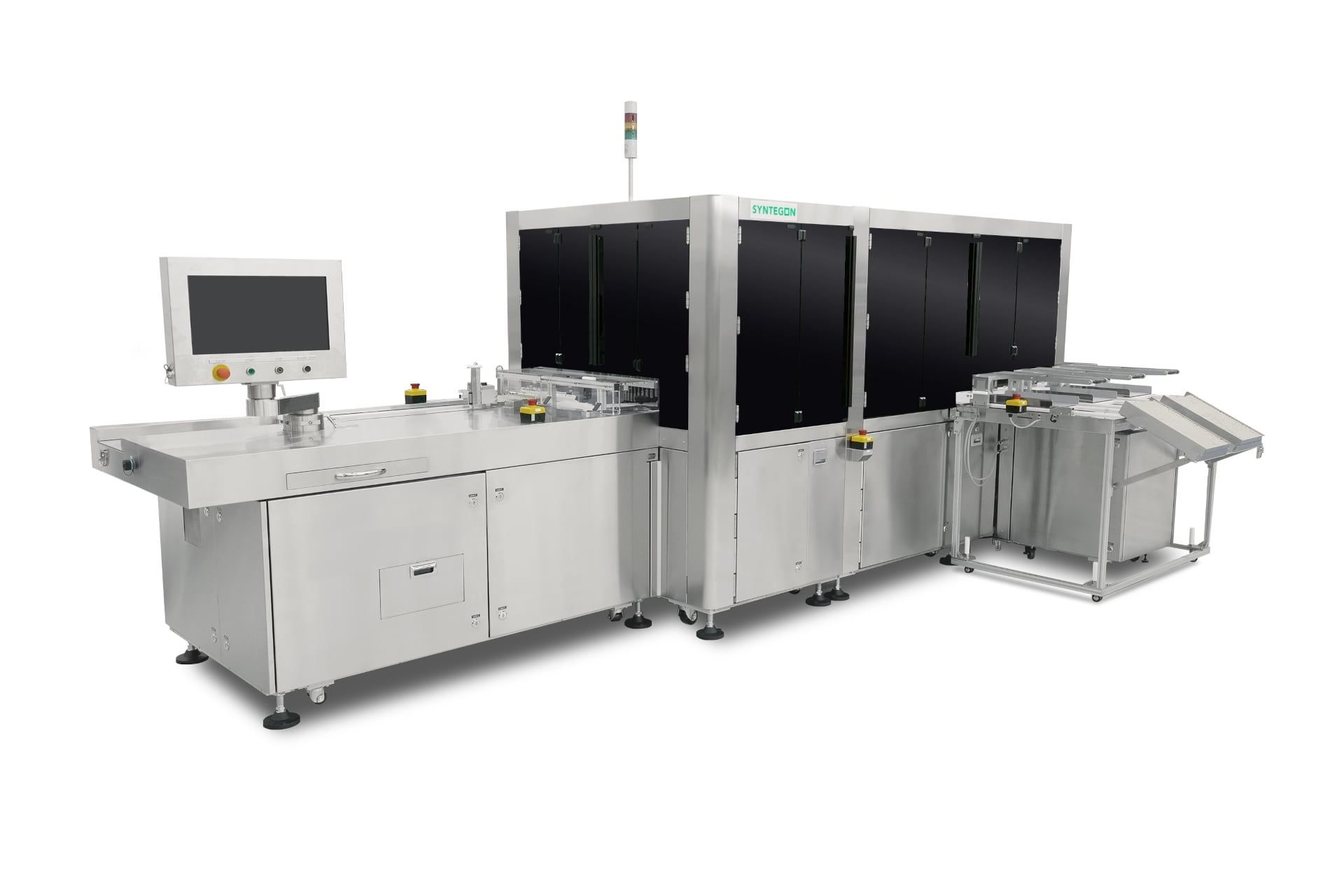
AIM2|5 series
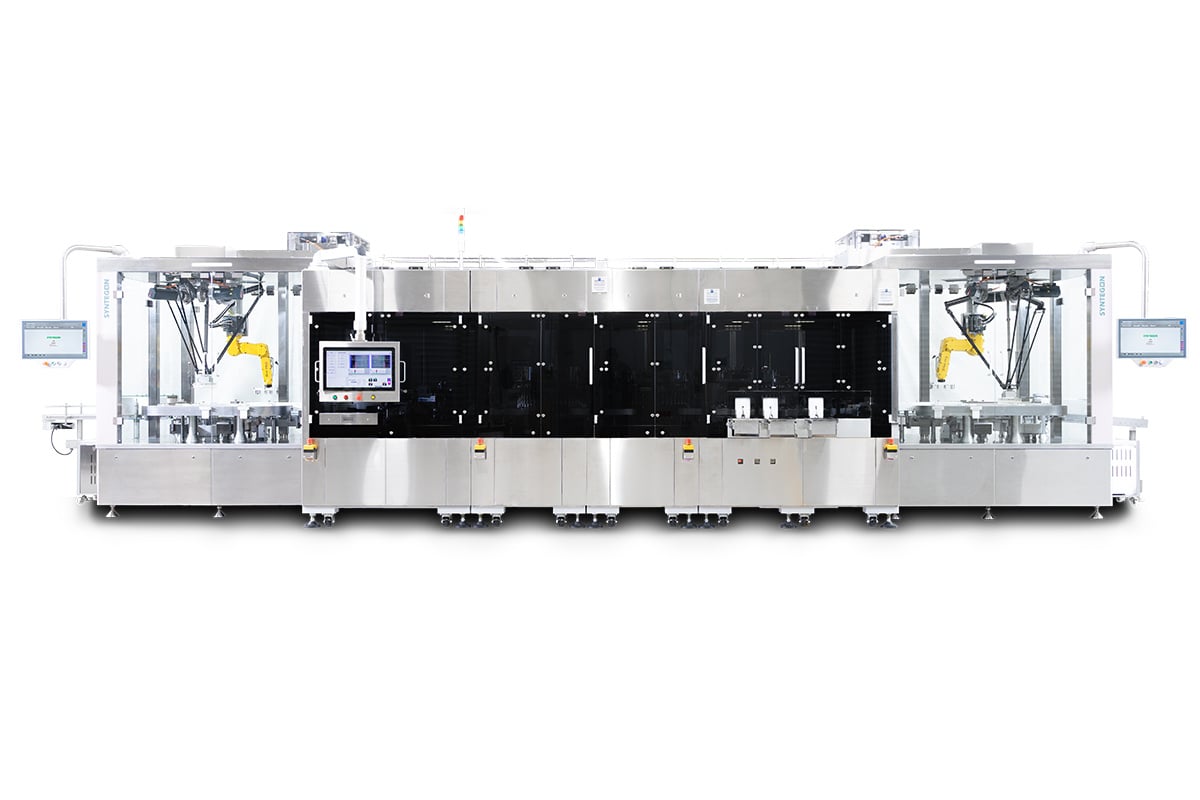
AIMDirect
Capabilities of the AIM series
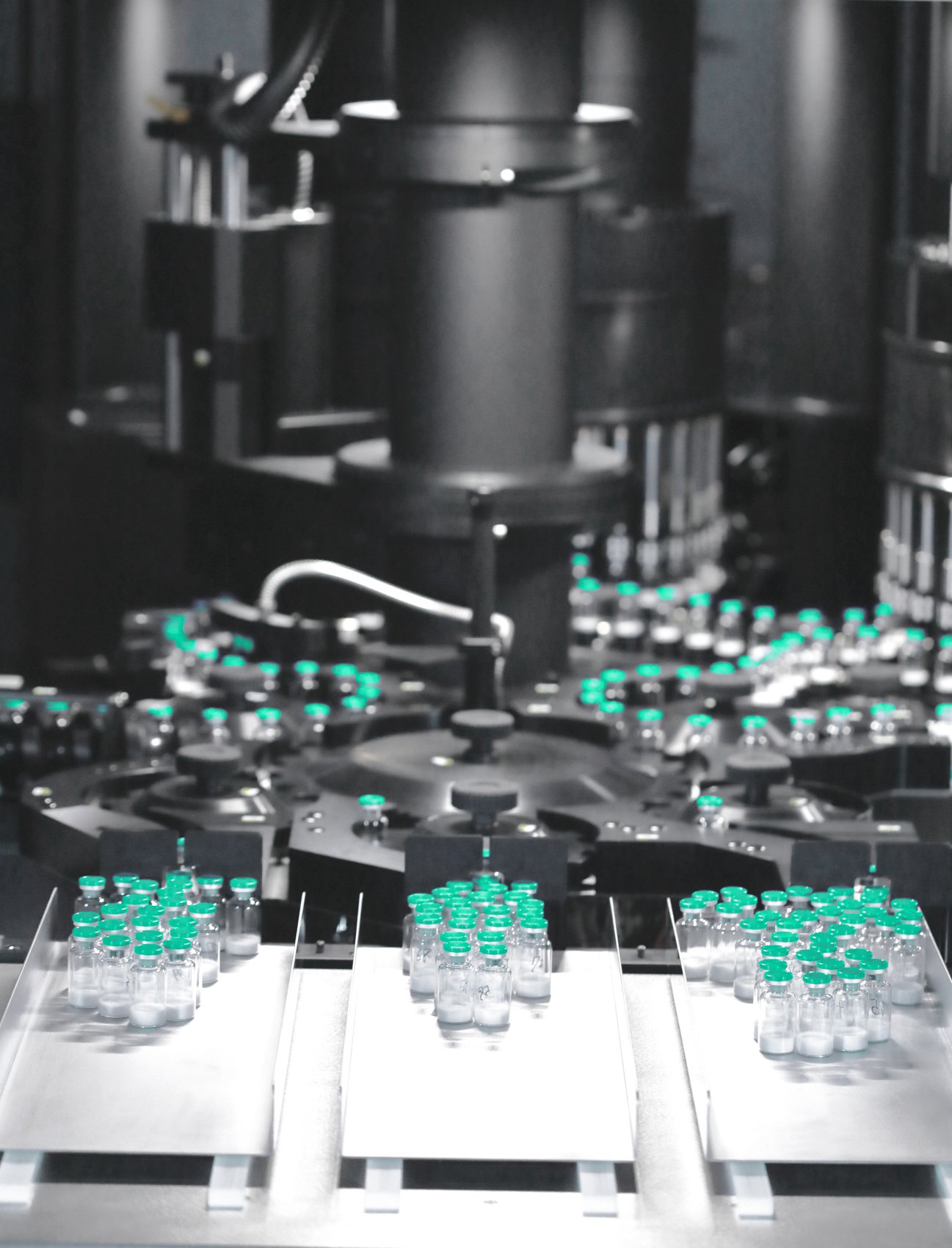
Tailored imaging for demanding products
Syntegon tailors imaging methods to the product’s optical behavior and particle movement.
Clear products can be inspected with patented Static Division technology using area scan and line scan cameras.
Specialized configurations extend the approach where visibility is more demanding:
- Tailored camera and illumination setups or Deep Learning for freeze-dried products
- OpaqView for milky and dark products to reveal container contents and improve defect visibility
- Spinning, specialized lighting, high-speed pre-spinning and software for suspensions and bubble-prone products
Inspection technology matched to the application
Syntegon AIM platforms combine inspection technologies to match product, container and defect types.
High-resolution Area and Line Scan Cameras capture particles and cosmetic defects during high-speed inspection, while Static Division supports the inspection of clear products in liquid-filled containers.
Specialized technologies extend the approach for defined inspection challenges:
- Deep Learning uses product-specific AI models to distinguish natural product variations from genuine defects
- OpaqView combines cameras, illumination and software to reveal particles in opaque products
- Bubble Masking uses patented algorithms to distinguish harmless air bubbles from particles and reduce false rejects
Integrated CCIT for leaks beyond visual inspection
Syntegon integrates HVLD and HSA container closure integrity testing into AIM visual-inspection platforms.
HVLD detects micro-leaks through changes in electrical current, while HSA measures oxygen concentration or water-vapour pressure in the headspace.
These methods support non-destructive 100% leak testing where visual inspection alone may not identify a leak:
- HVLD suits liquid-filled syringes, ampoules, vials and cartridges
- HVLD supports high-speed inspection
- HSA detects temporary and permanent leaks in freeze-dried products and liquids filled under vacuum or nitrogen
Download the Inspection Equipment Catalogue
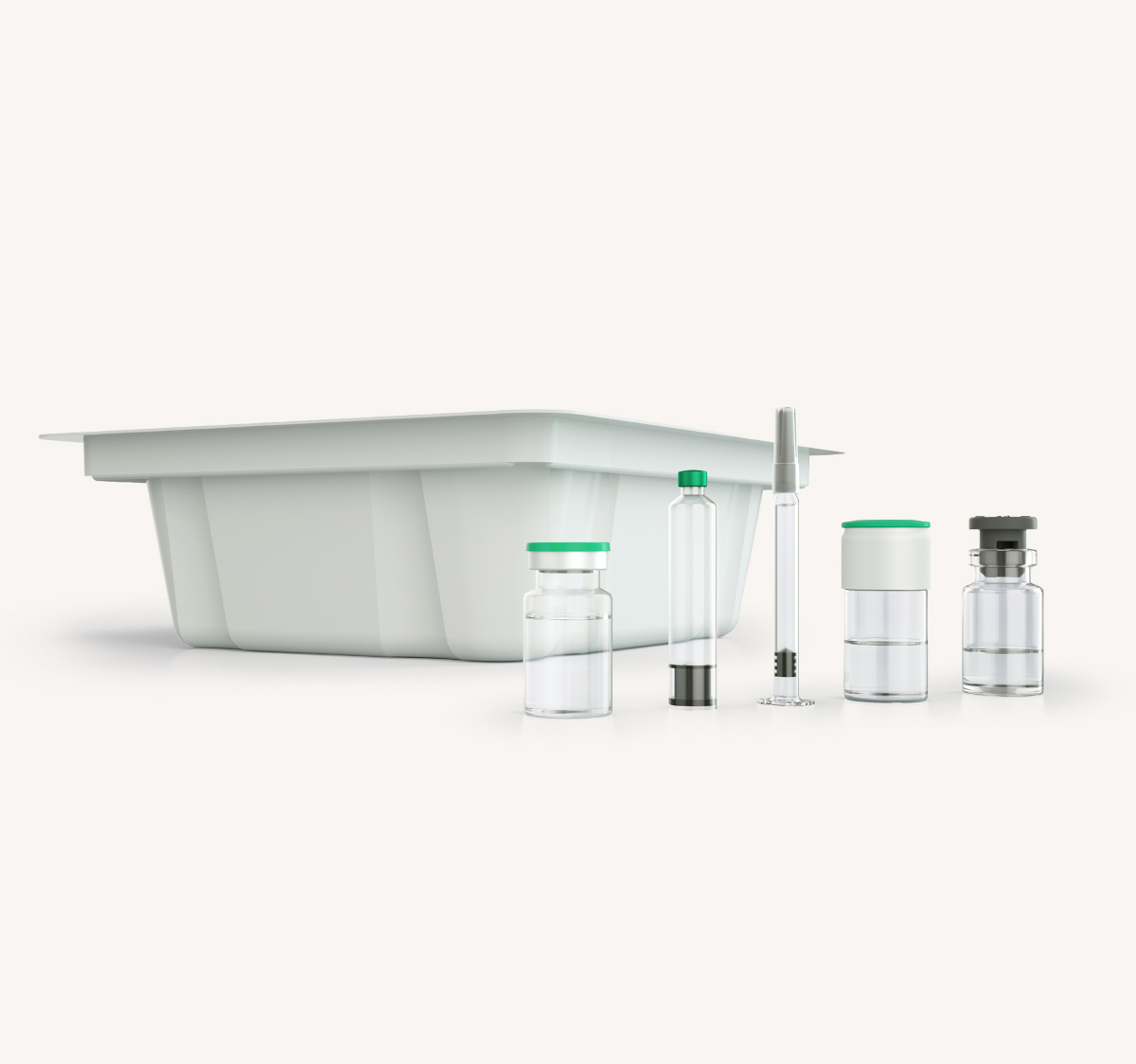
Match the right inspection technology to your injectable product challenge.
- Compare automated, semi-automated and manual inspection options
- Match detection technology to visible defects, leaks and difficult products
- See container format coverage across vials, cartridges, ampoules and syringes
Inspect every injectable product type with confidence
From water-like liquids to freeze-dried cakes, suspensions and milky formulations, Syntegon AIM platforms detect particles and defects across the full range of injectable product challenges.
Download Hub
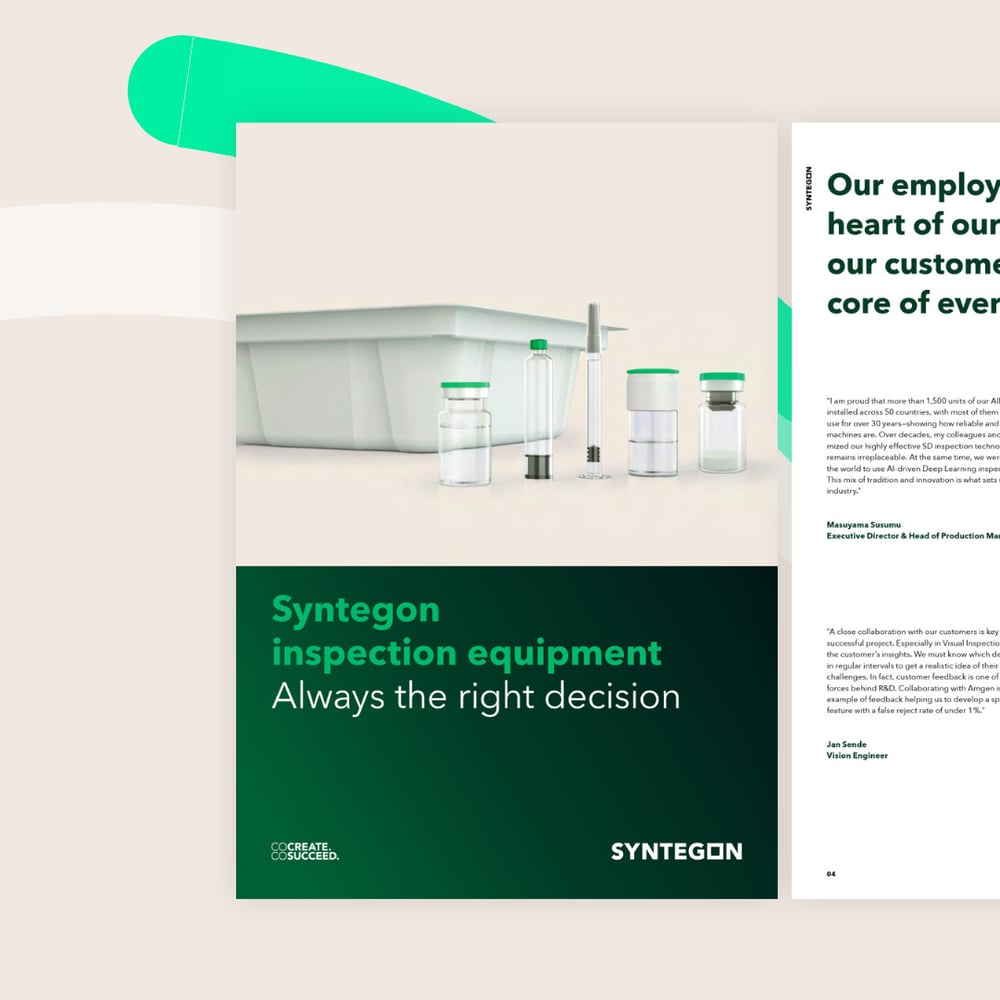
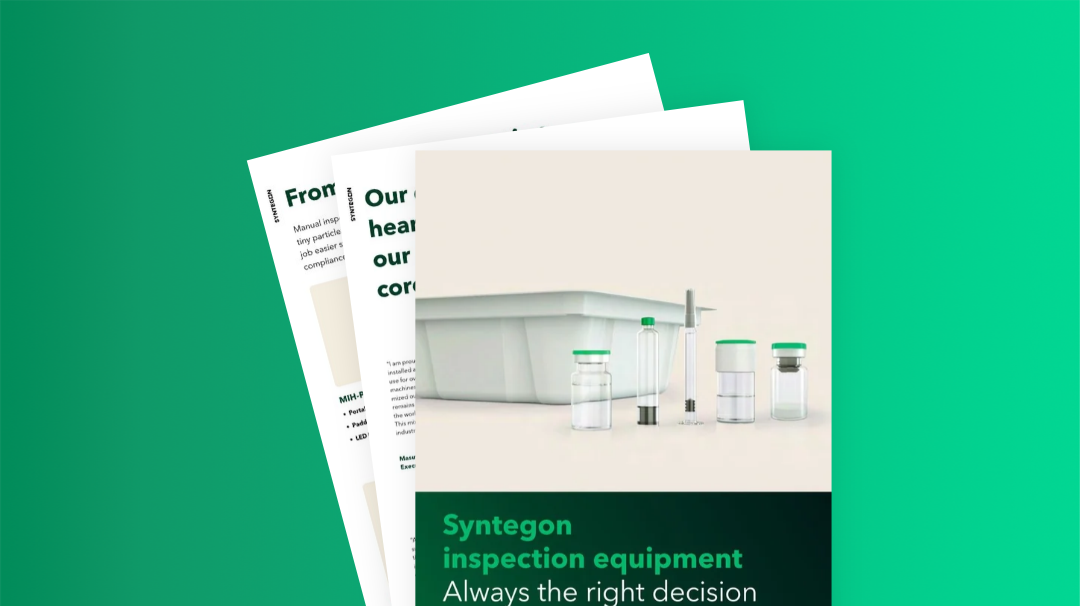
Syntegon Inspection Solutions Brochure
Manual, semi- and fully automated inspection machines, Deep Learning, leak testing & service packages to ensure safe drug delivery.
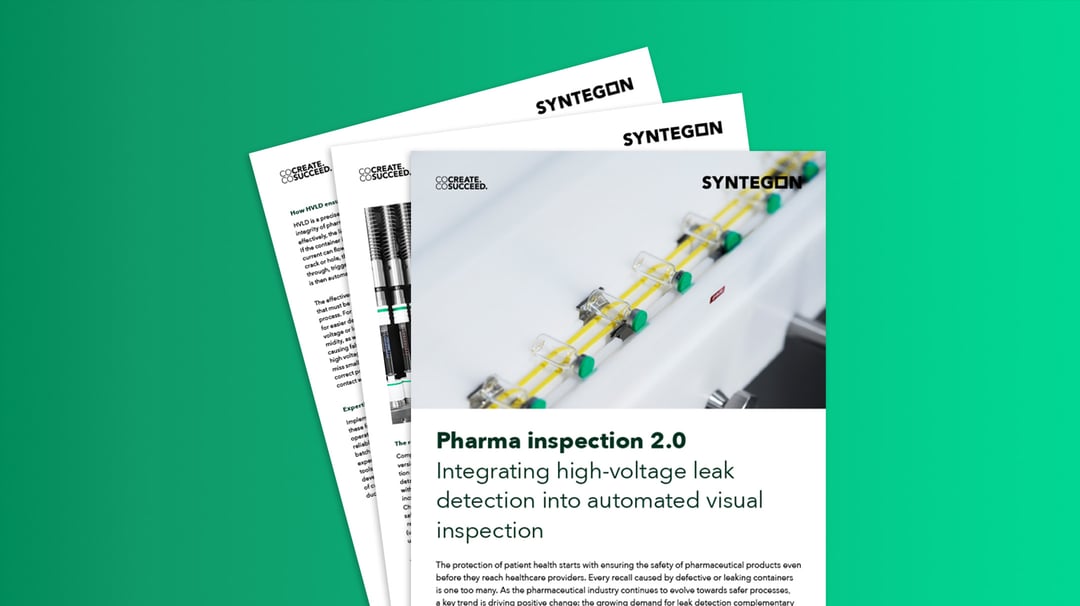
100% CCIT: the HVLD guide
Discover how integrating HVLD into automated visual inspection machines ensures that all containers are tested for leaks.
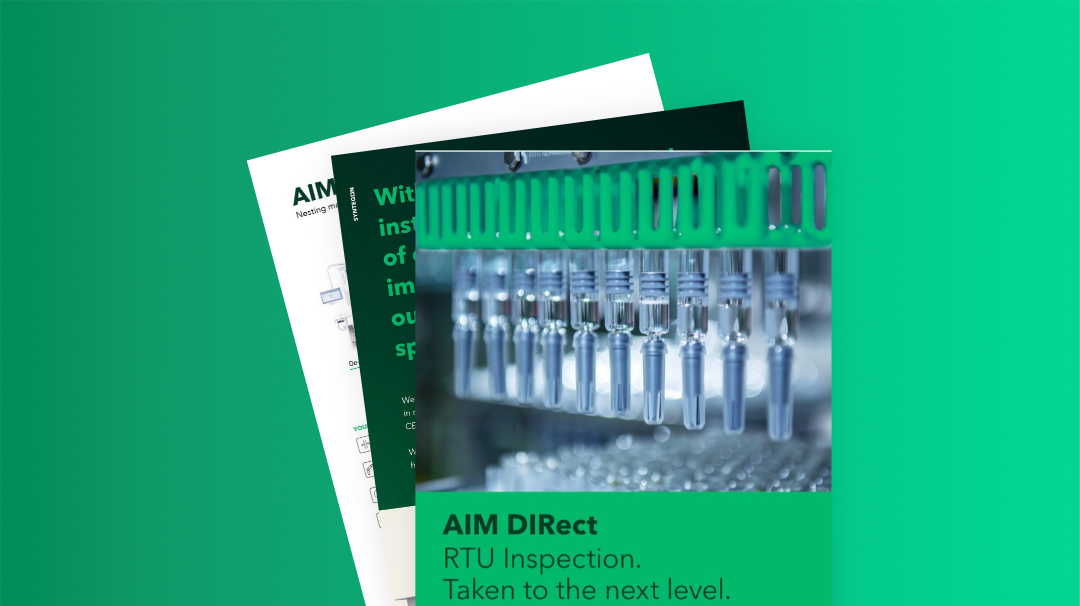
AIM DIRect
RTU Inspection. Taken to the next level.
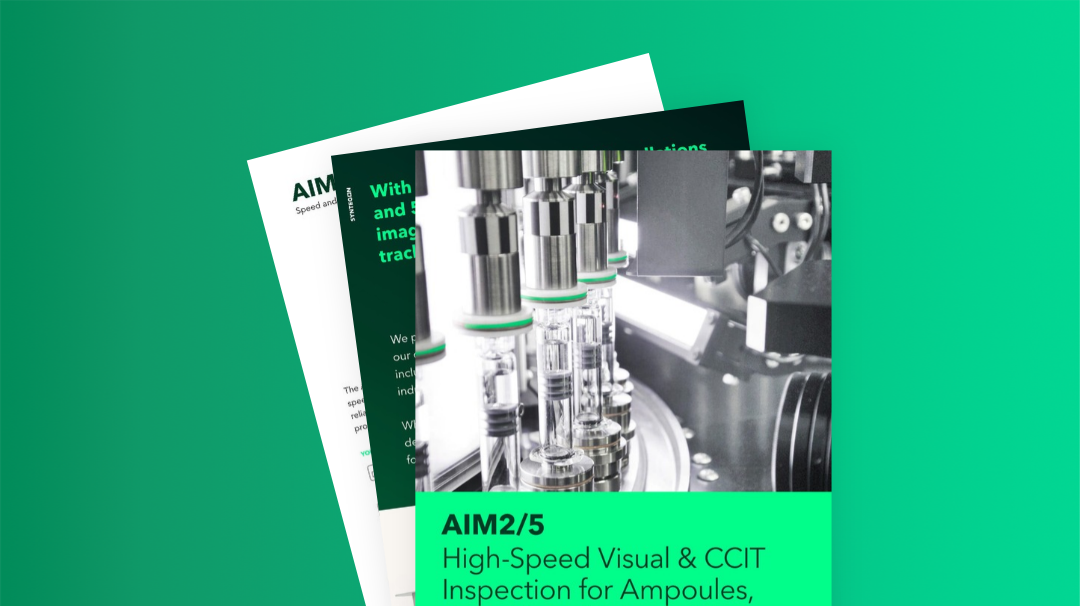
AIM 2|5
High-Speed Visual & CCIT Inspection for Ampoules, Cartridges, Vials and Syringes
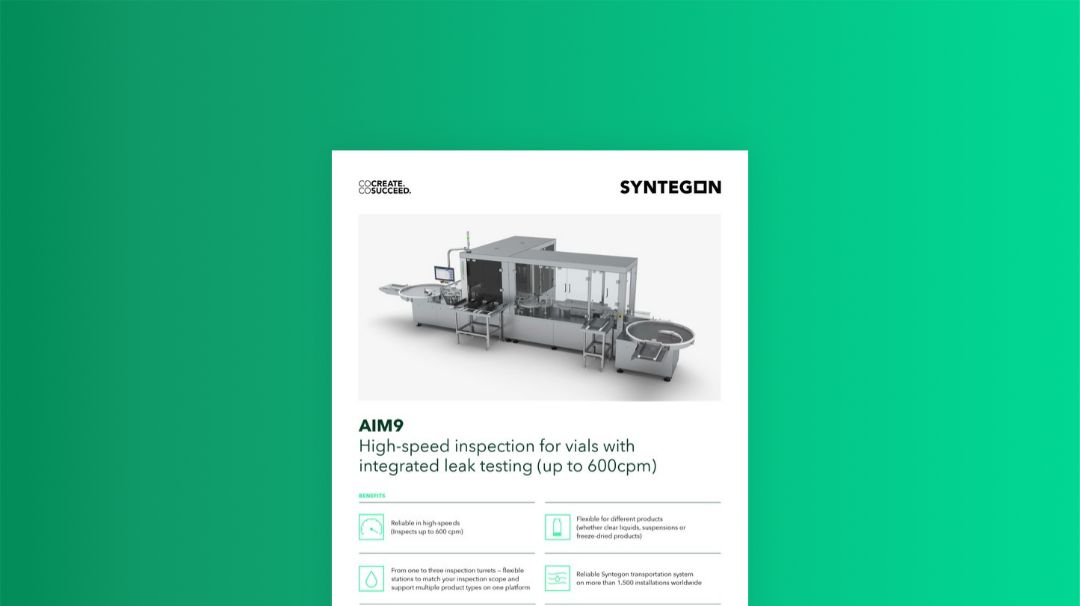
AIM9
High-speed inspection for vials with integrated leak testing (up to 600cpm)

Frequently asked questions
Syntegon’s automated inspection platforms are used across the pharmaceutical industry by small, medium-sized, and large pharmaceutical companies, CDMOs, generic drug manufacturers, laboratories, and government organizations. With more than 1,500 inspection machines installed worldwide, Syntegon has decades of experience and service experts in different locations to support.
AIM systems are designed to reliably detect a wide range of critical, major to minor defects for different containers, including:
- Particles and foreign matter
- Cosmetic and surface defects
- Fill-level and product-color deviations
- Leaks through integrated container closure integrity testing (CCIT)
The inspection scope is tailored to your specific application using the appropriate cameras, lighting, software, and in-house developed inspection technologies.
Natural product variations, such as irregular freeze-dried cakes or bubbles, can resemble genuine defects and lead to false rejects.
For challenging applications, Deep Learning-based inspection can be used to evaluate representative product images alongside conventional inspection methods. This approach can support distinguishing acceptable product characteristics from genuine defects, reducing false rejects and re-inspection efforts.
Yes. Syntegon's AIM platforms can integrate Container Closure Integrity Testing (CCIT) technologies for non-destructive, 100% leak testing.
CCIT helps identify microscopic leaks that may not be visible during manual or automated visual inspection, supporting product sterility. The appropriate leak-testing method depends on the product and filling conditions.
Syntegon offers two CCIT technologies:
- HVLD (High Voltage Leak Detection)
- HSA (Headspace Analysis)
Both technologies can be integrated into AIM platforms for high-speed, 100% container testing.
Both technologies detect container leaks but are designed for different applications:
-
HVLD (High Voltage Leak Detection): Applies a high voltage to liquid-filled containers and measures electrical current to identify leaks. It is ideal for liquid products and can detect micro-leaks that may not be visible to cameras.
- HSA (Headspace Analysis): Measures oxygen concentration or water-vapor pressure in the container headspace. It is particularly suited for freeze-dried products and containers filled under vacuum or protective gases such as nitrogen.
Both technologies can be integrated into AIM platforms for high-speed, 100% leak testing.
Air bubbles can affect product appearance, complicate inspection, and potentially increase false rejects.
Syntegon offers a range of solutions to address bubble-related inspection challenges, including:
- Pre-Spin: Rotates containers before inspection to create a more consistent product appearance and support reliable inspection.
- Patented Bubble Masking: Software algorithms designed to indentify the characteristic shape of air bubbles and distinguish them from genuine particles.These are just two examples of the available approaches. Additional solutions can be applied depending on the bubble characteristics and inspection requirements. Get in touch with our experts to discuss the most suitable solution for your application.
Every product, container, packaging material, and defect type presents its own inspection challenges. This is where Syntegon's experience makes the difference.
While our platforms are designed for reliable performance over decades, achieving the best inspection results also depends on the right inspection recipe. Syntegon supports customers throughout recipe development, optimization, validation, and production ramp-up to help maximize inspection performance.
Support can include recipe creation, parameter optimization, defect-kit evaluations, and performance reviews to help achieve the desired inspection results. As production requirements evolve or new defect types emerge, our experts can assist with recipe adjustments, on-site optimization, and operator training to maintain inspection performance over time.
By combining proven technology with application expertise, Syntegon helps you get the most from your inspection system throughout its lifecycle.
Interested in Visual inspection machines and solutions?
Let’s get in touch to discuss your visual inspection requirements.
News
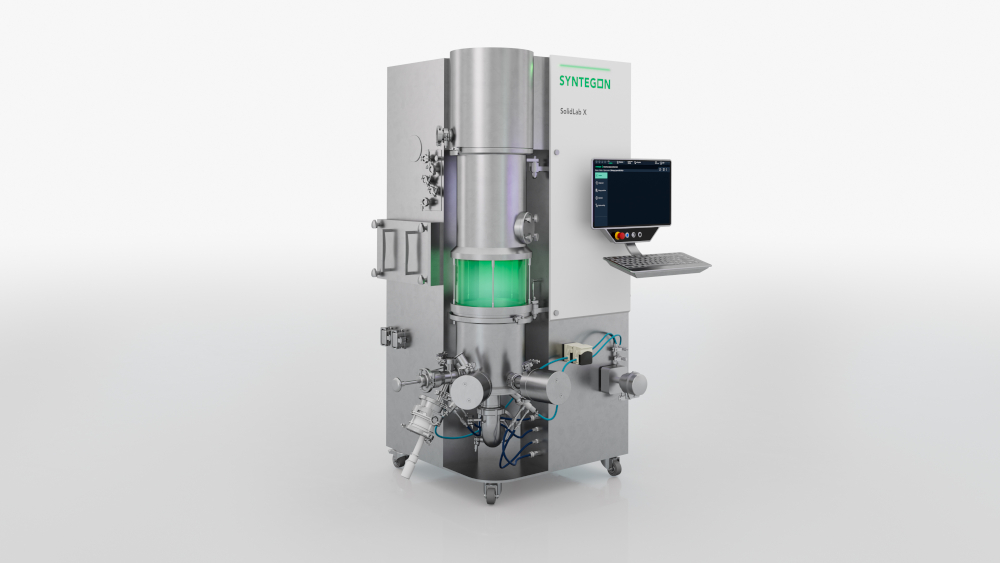
Discover how fluid bed technology combines drying, granulation, and coating on a single platform to improve OSD manufacturing efficiency and product quality.

Discover how structured employee training and digital work instructions improve machine performance, reduce downtime, and ensure stable production.
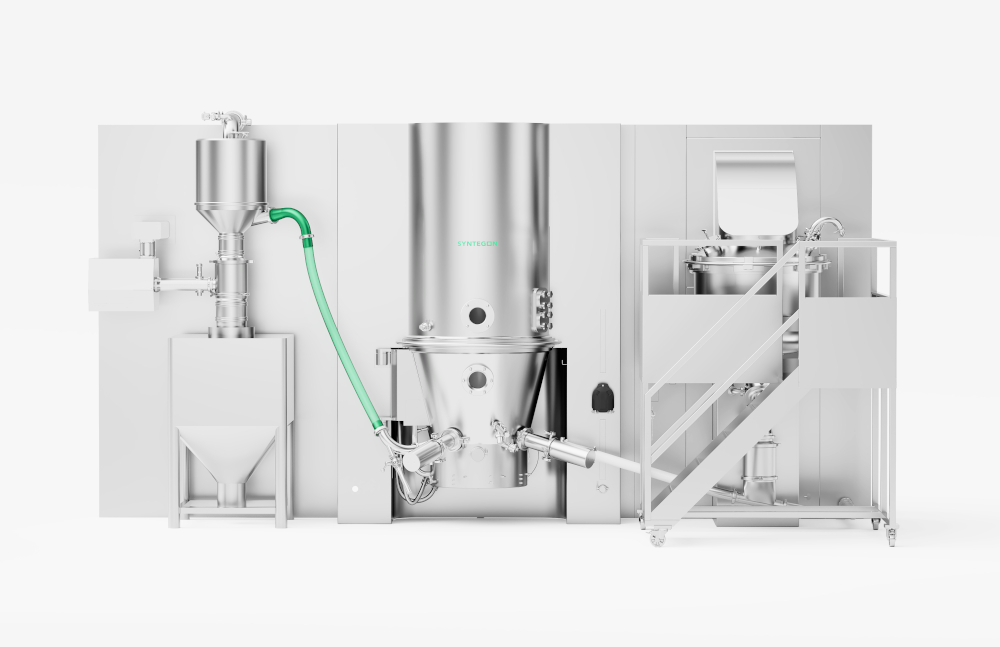
Discover why granulation approaches matter in OSD production, how they impact tablet quality, and which technology best fits your manufacturing needs.
Syntegon Newsletter
Get inspired with regular updates on technologies and services, case studies, webinar offers and events.