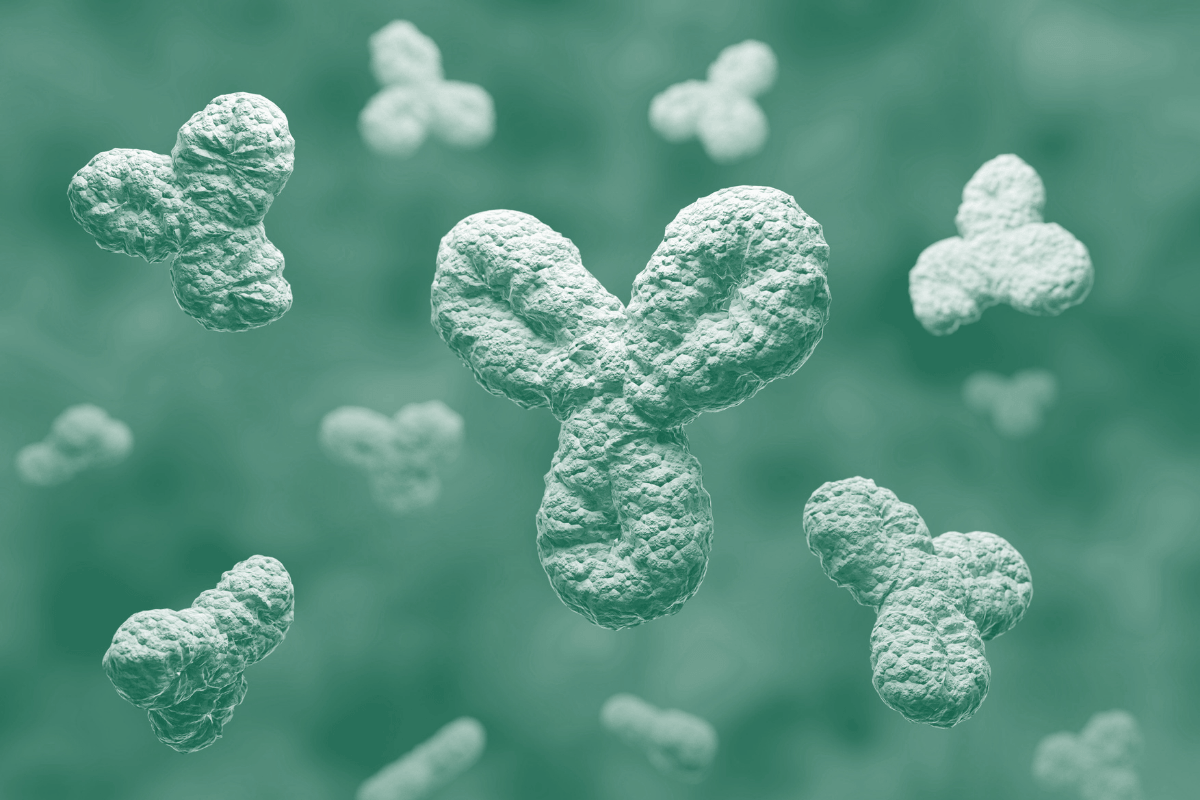
Monoclonal antibody manufacturing for efficient fill-finish
Smaller batches, faster changeover and demanding aseptic requirements increase the pressure on fill-finish performance
Monoclonal antibody manufacturing under increasing fill-finish complexity
Smaller batches, downstream bottlenecks, stricter aseptic control and the sensitivity of many biologic products all add complexity to monoclonal antibody manufacturing.
As your strategic lifecycle partner, Syntegon provides the expertise and technology options to reduce risk, support better fill-finish decisions and identify the right process fit.
Flexible output, protected product value and stronger aseptic control
How to handle smaller mAb batches without losing flexibility?
Smaller mAb campaigns increase format changes, product changeovers and planning effort across mAb manufacturing and fill-finish. Syntegon brings modular fill-finish expertise and consulting to help clarify which setup reduces changeover time and planning complexity across current products and future variants.
- Compare liquid and lyophilized routes against batch size and presentation needs
- Clarify where single-use paths can reduce cleaning effort and cross contamination risk
- Shortlist format-flexible concepts for clinical, orphan and lifecycle-extension supply
How to protect product value and minimize loss in mAb fill-finish?
High-value mAbs make every rejected unit, avoidable hold time and imprecise fill a direct business risk. Syntegon combines filling system expertise, Dose-in / Dose-out concepts and inline inspection know-how to reduce product exposure, cut losses and stabilize output across campaigns.
- Identify where filling system design can reduce dead volume and product waste
- Apply inline inspection to detect deviations before product loss escalates
- Compare integration paths that reduce hold time and manual exposure risk
How to reduce intervention risk in mAb fill-finish?
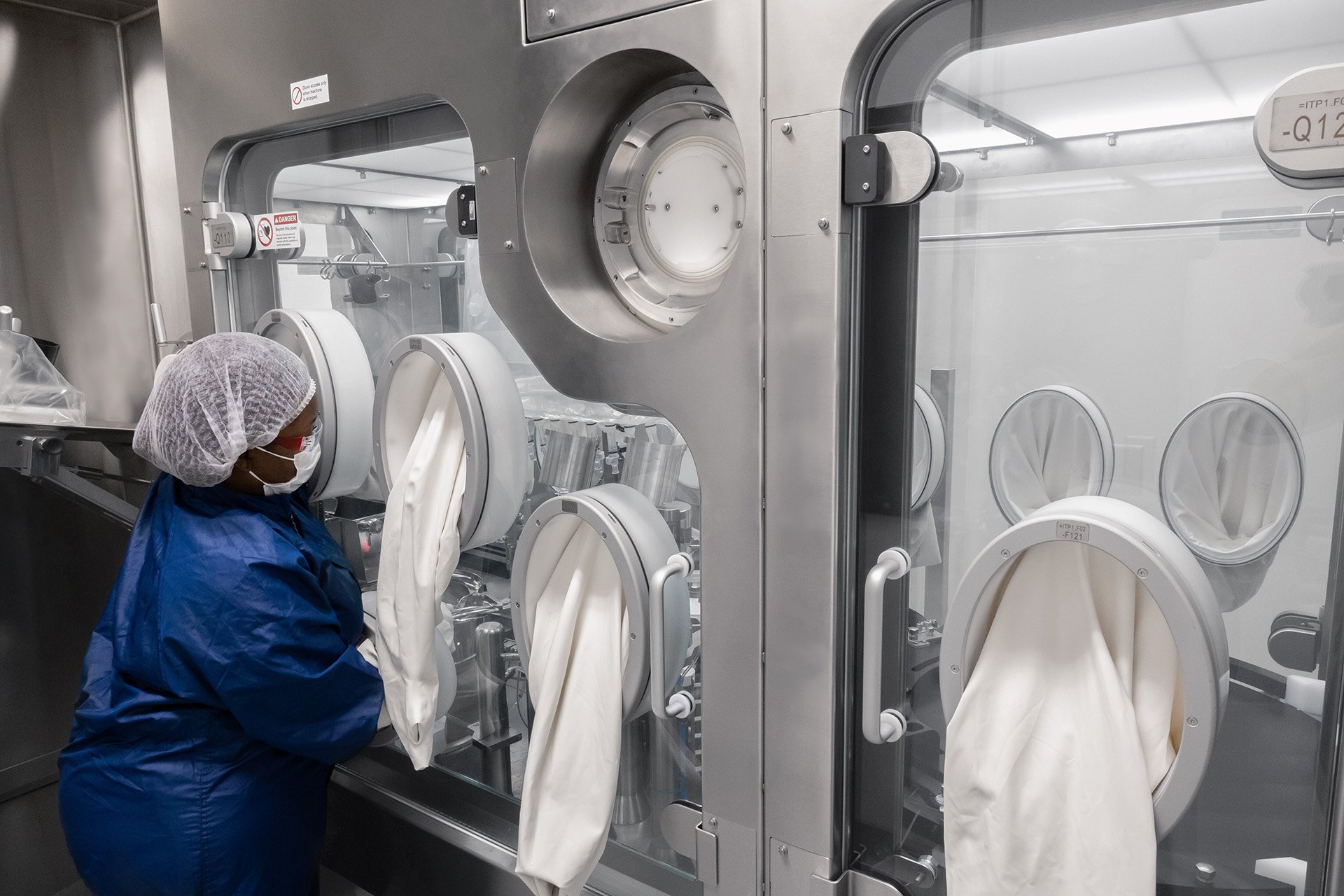
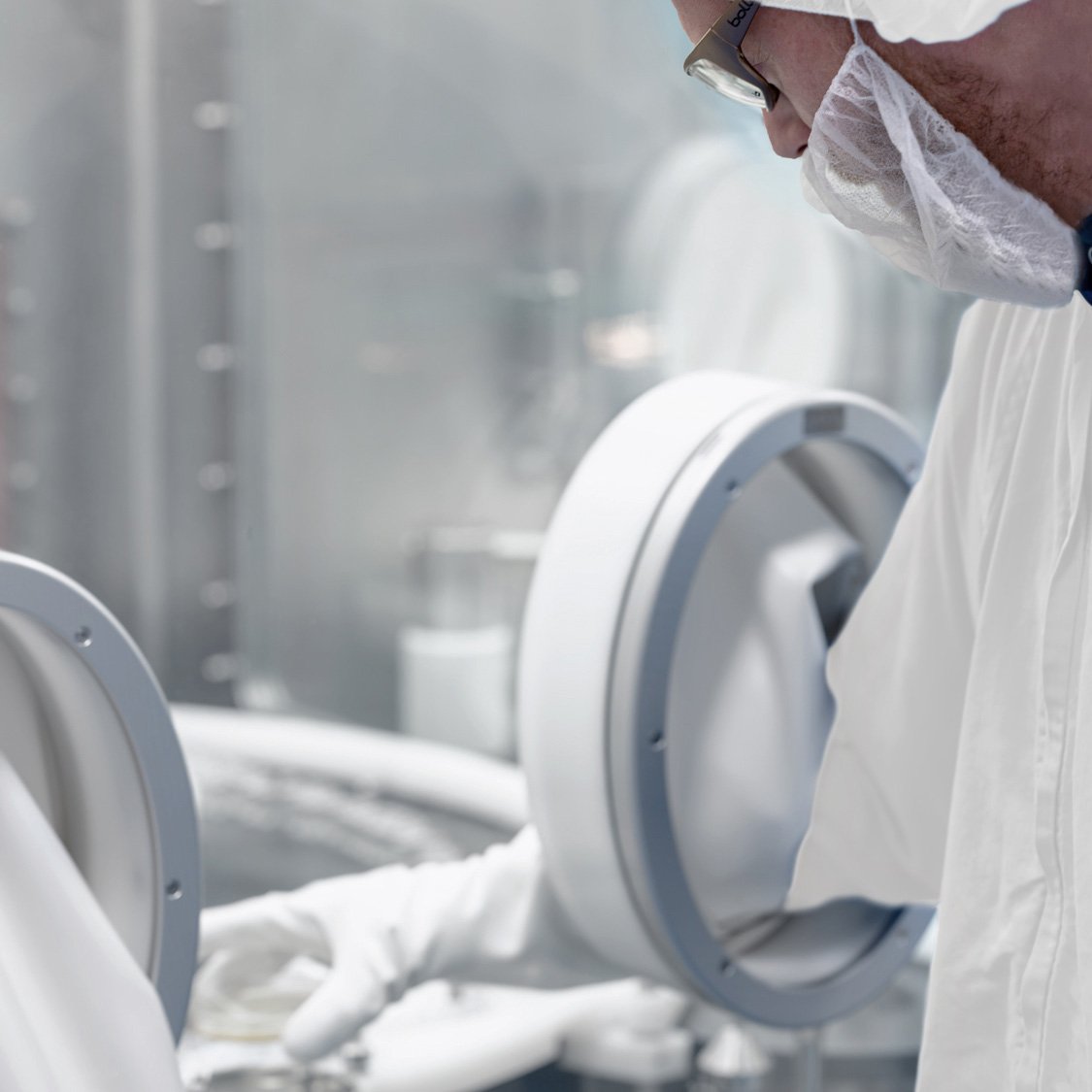
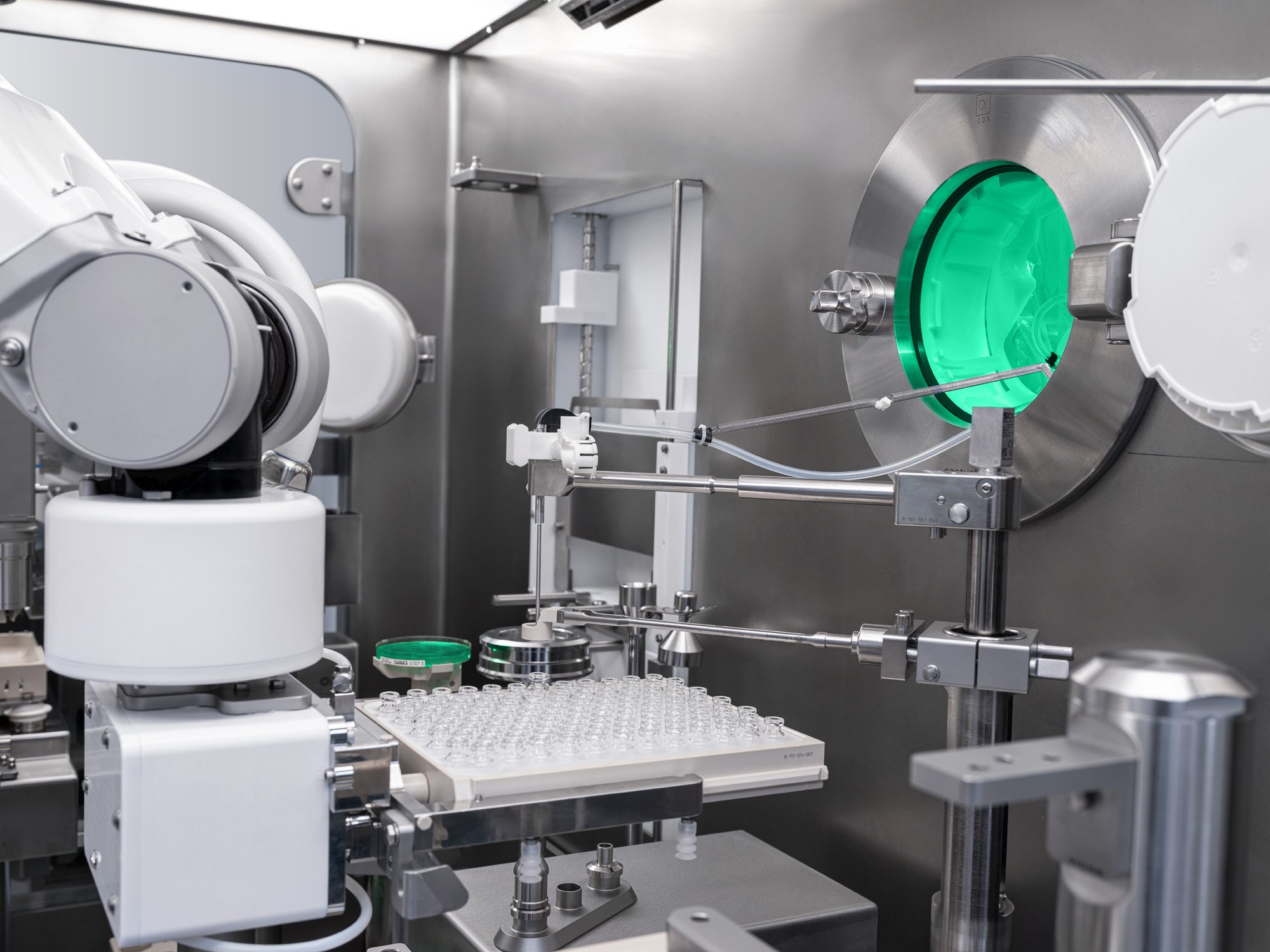
Annex 1 raises expectations for contamination control, barrier strategy and intervention reduction in sterile mAb production. Syntegon applies isolator, closed-processing and digital monitoring expertise to help identify which containment strategy fits your product, batch size and risk profile – supporting clearer validation decisions from the outset.
- Reduce manual interaction at critical aseptic steps
- Evaluate contamination control options for high-value biologics
- Compare monitoring and reporting approaches that support inspection readiness
Monoclonal antibody manufacturing across 7 critical steps
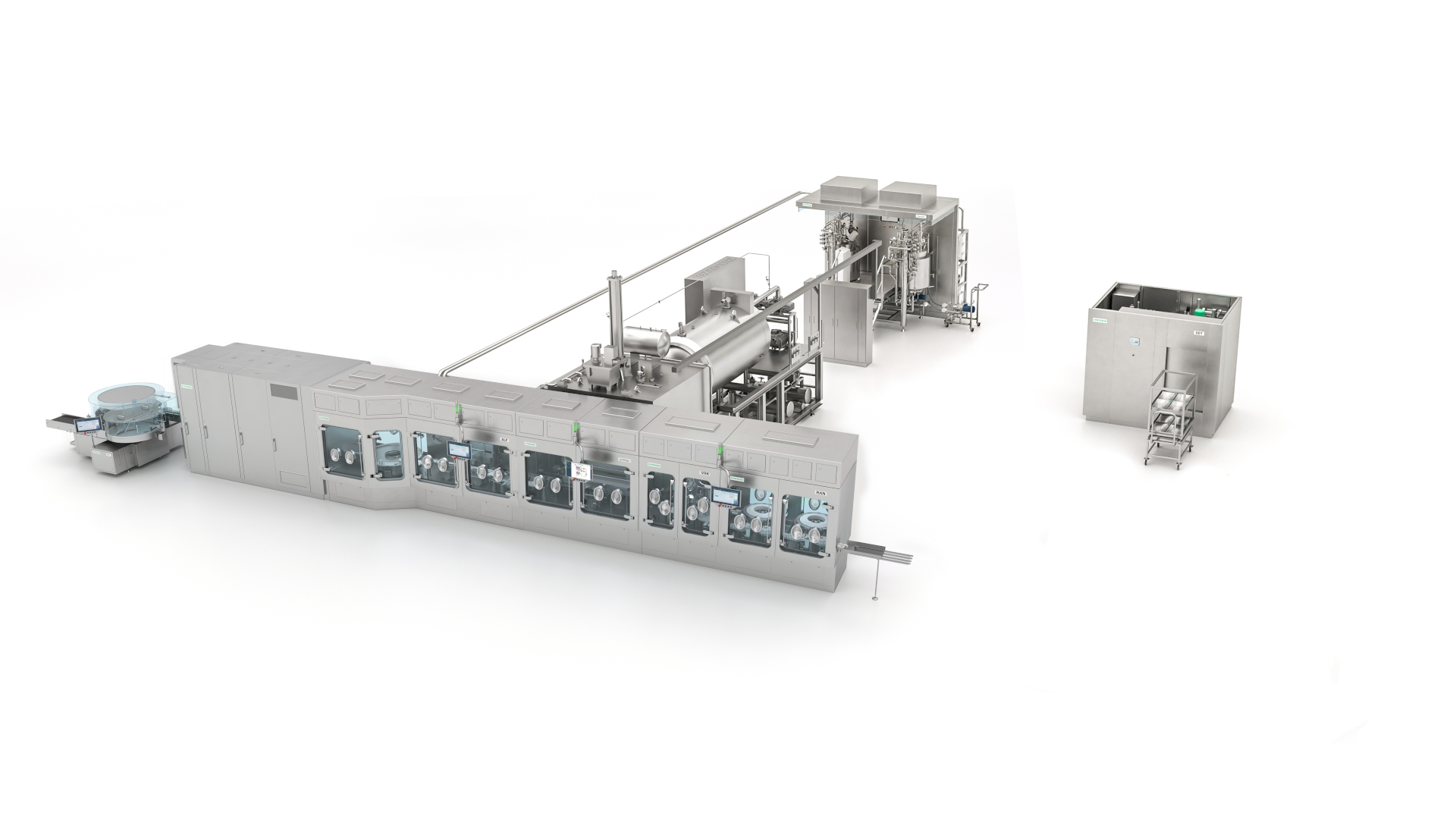
Formulation and pure media
Set stable process conditions early to protect sensitive product and prepare reliable downstream filling.
Container pretreatment
Prepare containers for aseptic processing to reduce contamination risk before product enters the line.
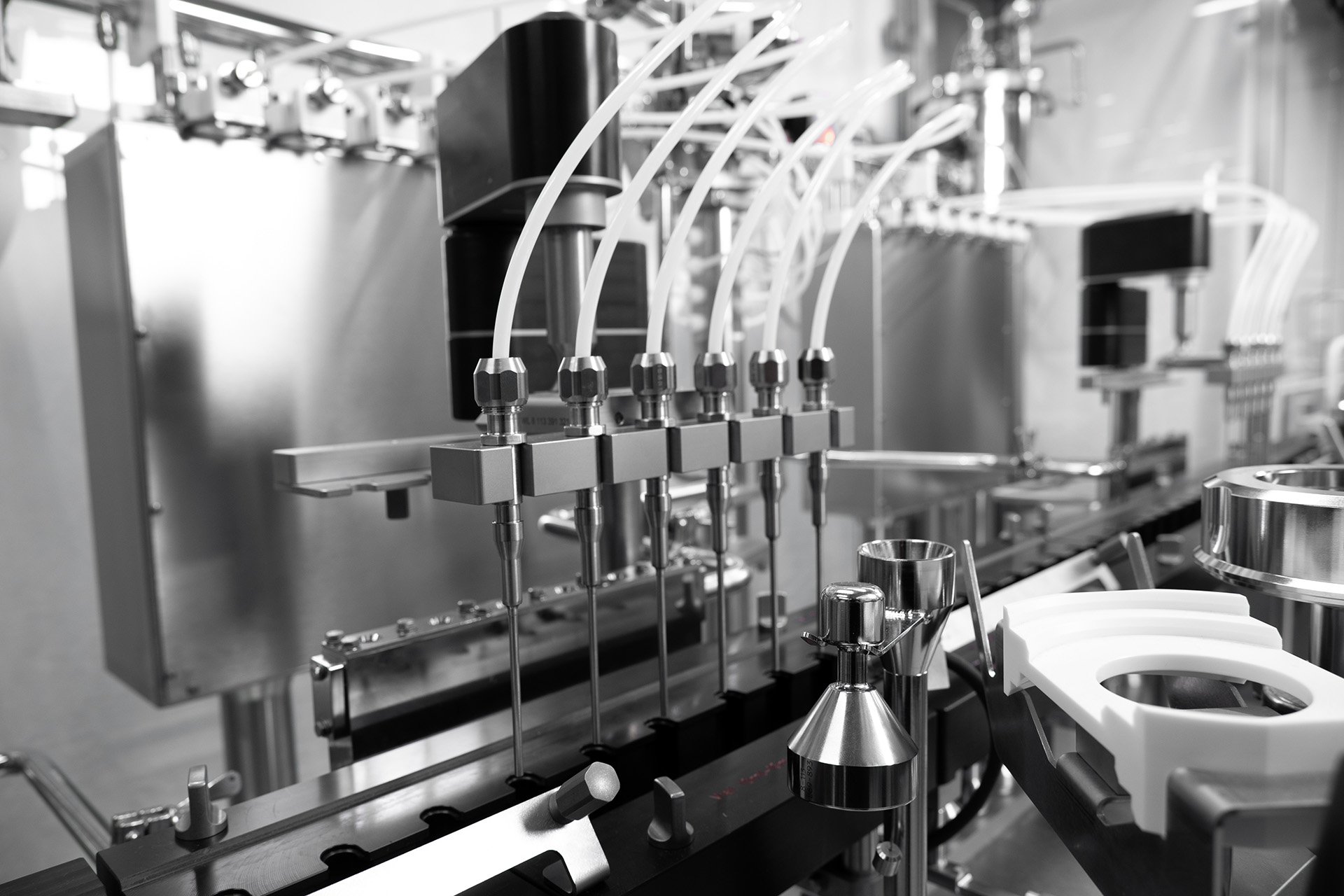
Filling and closing
Fill and close under contained conditions to protect yield, limit intervention, and keep the process controlled.
Freeze drying
Integrate lyophilization to protect product stability and reduce complexity between critical process steps.
Isolator
Create a closed barrier around critical zones to reduce exposure risk and limit manual interaction.
External washing
Remove residual contaminants from container surfaces after filling to protect batch integrity ahead of the next process step.
Sterilization
Build sterilization into the line concept to support clean operations and robust process readiness.
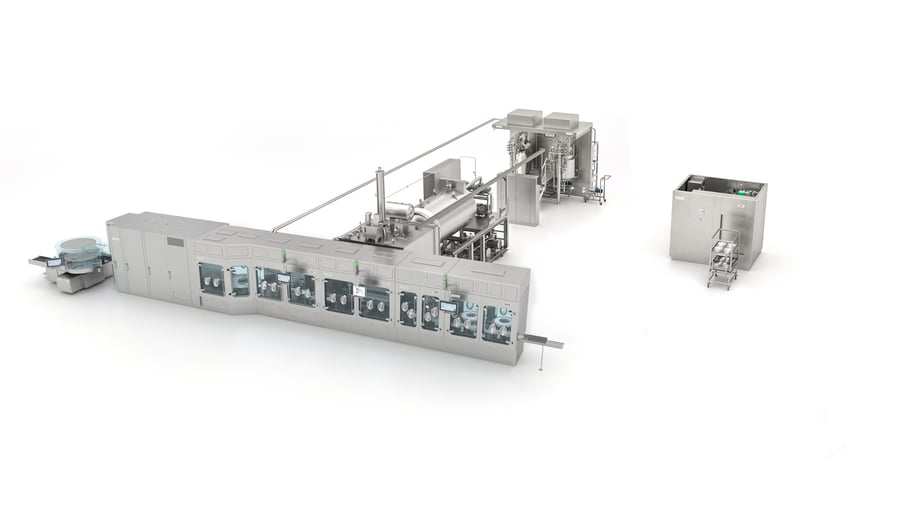
Formulation and pure media
Set stable process conditions early to protect sensitive product and prepare reliable downstream filling.
Container pretreatment
Prepare containers for aseptic processing to reduce contamination risk before product enters the line.
Filling and closing
Fill and close under contained conditions to protect yield, limit intervention, and keep the process controlled.
Freeze drying
Integrate lyophilization to protect product stability and reduce complexity between critical process steps.
Isolator
Create a closed barrier around critical zones to reduce exposure risk and limit manual interaction.
External washing
Remove residual contaminants from container surfaces after filling to protect batch integrity ahead of the next process step.
Sterilization
Build sterilization into the line concept to support clean operations and robust process readiness.
Explore the complete line
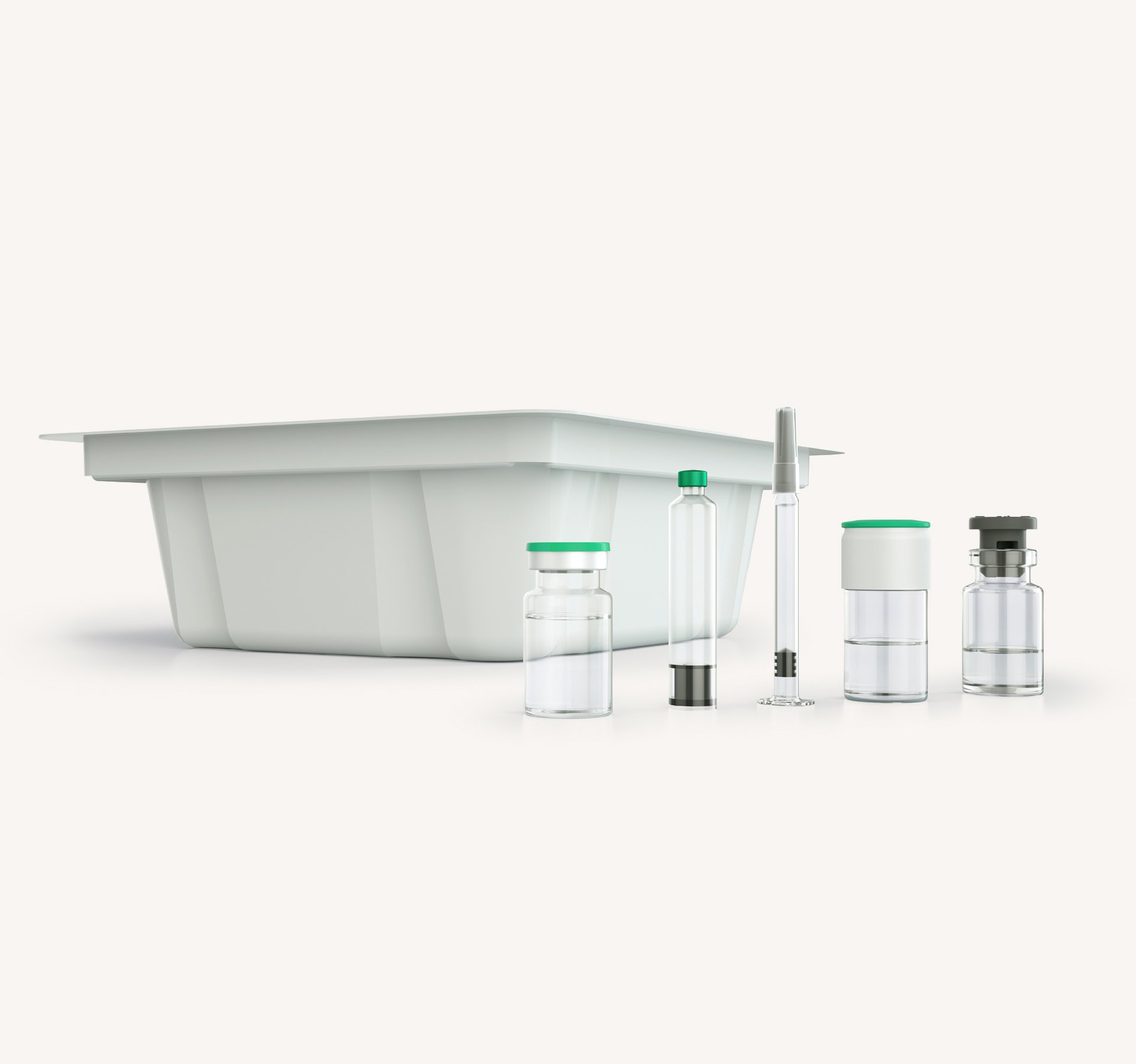
ADCs – When mAbs become high-potent
Antibody-drug conjugates are derived from monoclonal antibodies but require high-potent containment once combined with a cytotoxic payload.
Learn more about our HPAPI and ADC manufacturing solutions
One partner from lab to full-scale production
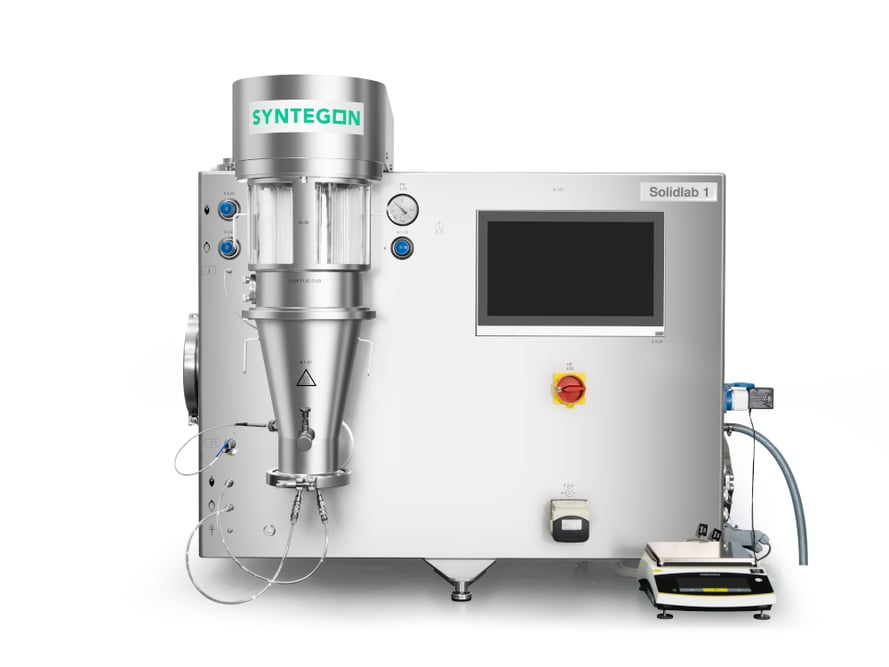
mAb programs typically move through several equipment generations as batch sizes grow – from lab-scale development through clinical supply to full commercial production. Syntegon supports this entire journey with one connected portfolio, so manufacturers don't have to switch suppliers, process logic or validation philosophy at every scale-up step.
- One technology partner across lab, clinical and commercial scale
- Consistent process logic and controls philosophy as you move up in scale
- Faster, more predictable transitions between equipment generations
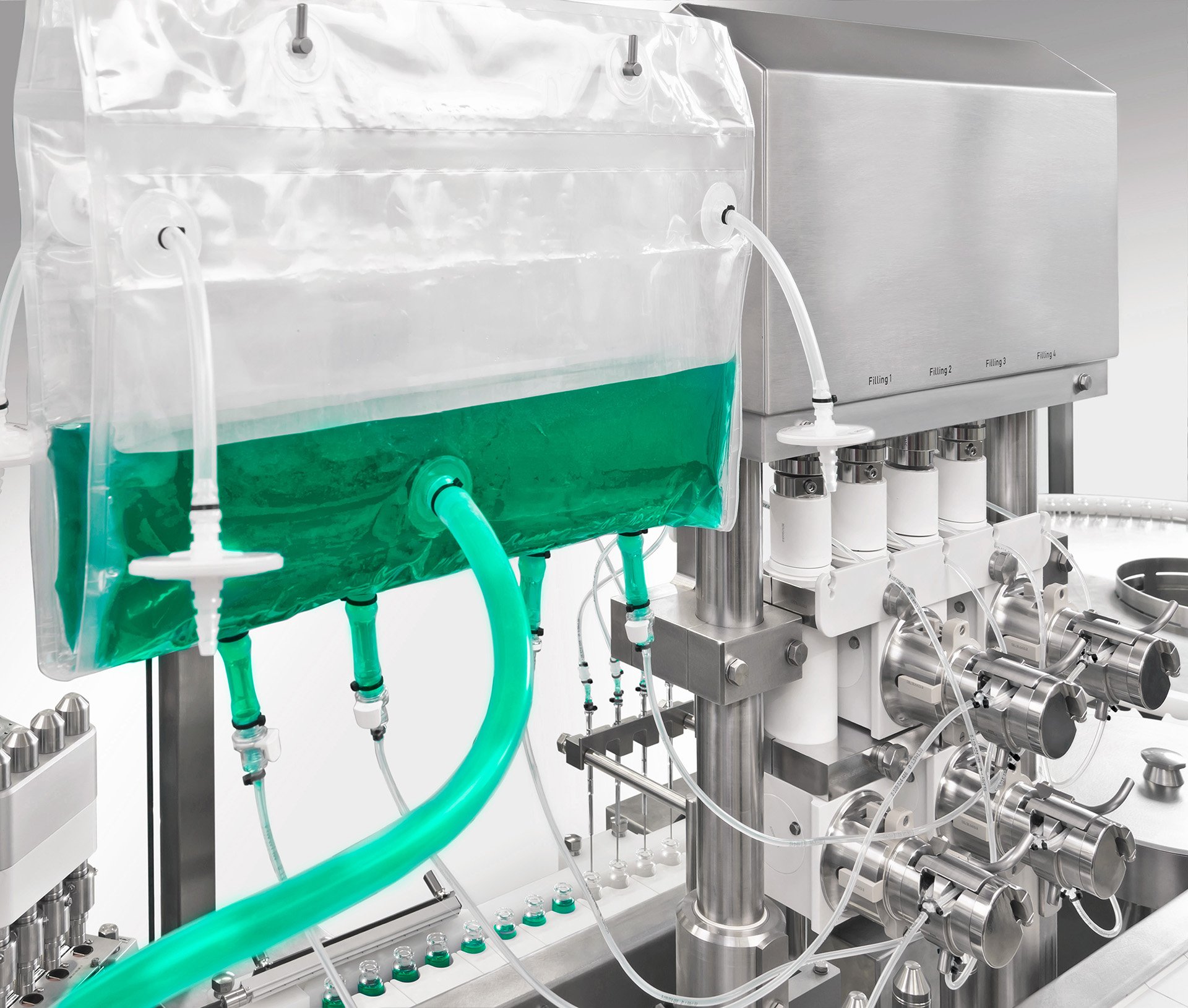
Single-use paths that make product change straightforward
Syntegon's single-use integration reduces complexity at the point of product change. Fewer cleaning steps, lower validation effort and a cleaner transition between campaigns make multi-product mAb operations easier to manage without adding risk or rebuilding the product path.
- Reduce cleaning validation burden between campaigns
- Lower cross-contamination risk in multi-product environments
- Support dedicated product paths for high-potent biologics without full stainless redesign
How to reduce intervention risk in mAb fill-finish?
Annex 1 raises expectations for contamination control, barrier strategy and intervention reduction in sterile mAb production. Syntegon applies isolator, closed-processing and digital monitoring expertise to help identify which containment strategy fits your product, batch size and risk profile – supporting clearer validation decisions from the outset.
- Reduce critical manual interventions at critical aseptic steps
- Evaluate contamination control options for high-value biologics
- Compare monitoring and reporting approaches that support inspection readiness
Frequently asked questions
The manufacturing of monoclonal antibodies involves sensitive biologic products that demand tighter control of process conditions, aseptic handling and product protection. mAbs are typically far more expensive to produce than small molecules, which makes product loss, rejected units and avoidable interventions a direct business risk. Minimizing product loss at every fill-finish step is therefore as critical as throughput and schedule adherence.
The main challenges in the monoclonal antibody manufacturing process are smaller and more diverse batches, downstream bottlenecks and stronger aseptic control expectations. Managing format changes, campaign complexity and coordination between formulation, filtration and filling adds operational pressure. Given the high cost of mAb products, minimizing product loss at every stage becomes as important as throughput and schedule adherence.
mAb portfolios change fast across clinical supply, lifecycle extensions, biosimilars and regional demand. Flexible manufacturing lets manufacturers adapt to different batch sizes, formats and process routes without locking into rigid line concepts too early. That protects capacity use, reduces disruption during change and makes future expansion or reconfiguration easier to manage.
Annex 1 increases focus on contamination control strategy, barrier concepts, intervention reduction and process discipline in sterile manufacturing. For monoclonal antibody fill-finish, that puts more weight on closed and automated handling, barrier technology-based designs, environmental monitoring and clear validation logic. It does not point to one fixed solution, but it raises the standard for how aseptic choices are justified and controlled.
A strong line concept starts with evaluating product stability, batch profile, container format and downstream handling needs. Modular concepts that connect filling, stoppering, lyophilization and capping without unnecessary complexity keep the setup adaptable for both current products and future variants. The goal is to maintain control of aseptic risk and operational efficiency without duplicating assets across presentations.
Process engineers should evaluate batch size development, format flexibility, product transfer strategy and how the fill-finish concept will absorb higher throughput. Assessing changeover effort, contamination control expectations, integration needs and the likely role of liquid versus lyophilized presentations early reduces rework later. Decisions made at clinical scale often shape how smoothly the route to commercial manufacturing can be executed.
Future-proofing starts with choosing a concept that adapts to new batch patterns, new formats and tighter process expectations over time. Modular design, scalable automation, single-use options and data-ready architectures all improve adaptability. The aim is not to predict every future need, but to avoid design limits that make later upgrades, expansion or process changes harder than they need to be.upgrades, expansion or process changes harder than they need to be.
Interested in Monoclonal antibody manufacturing?
Talk to a Syntegon expert to learn more about monoclonal antibody manufacturing.
News
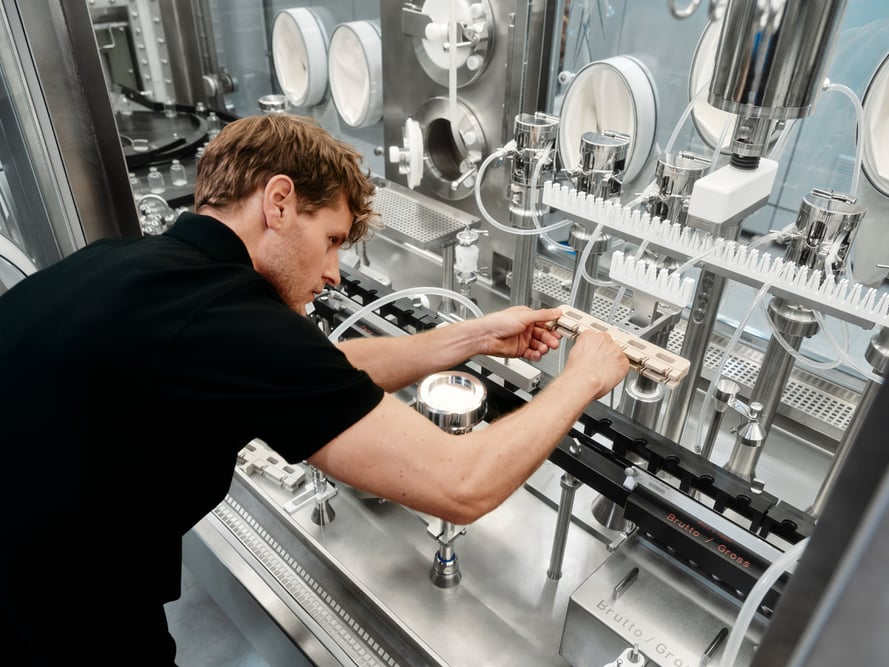
Join us at the PDA Universe of Pre-Filled Syringes Conference in Palm Springs to explore innovative production strategies for clinical trials and small batches.
RTU packaging for syringes, vials, and cartridges requires precise interaction between container and machine. Discover key challenges and solutions.
Discover Syntegon’s seamless pharma solutions at PACK EXPO 2026 in Chicago – from vial fill-finish and Annex 1 compliance to flexible OSD production.
Syntegon Newsletter
Get inspired with regular updates on technologies and services, case studies, webinar offers and events.