Skip to content
back

Monomaterials put to the test: Ready for the PPWR?

| 4 min read

From 12 August 2026, the new EU Packaging Regulation will apply – making recyclable packaging a strategic priority for food manufacturers once and for all.

Learn how to test monomaterial packaging, assess retrofit needs and prepare food production lines for the EU PPWR.

Key takeaways

  • The PPWR is mandatory. Non-compliance with PPWR may lead to products being blocked or removed from the EU market and can result in penalties.
  • Monomaterials can improve recyclability, but they are not a straightforward one-for-one replacement for multilayer films.
  • Syntegon supports you with innovative solutions – from leading sealing technology and paper-based films to glue reduction and retrofits.
  • Retrofit solutions are often possible – but they depend on the packaging material, output, and application.
bars-mono-material

Monomaterial takes more than a change of material

The new EU Packaging Regulation is more than just another regulatory date in the calendar. It changes the criteria by which packaging is developed, assessed, and operated. From 2030, many types of packaging will have to be recyclable; for plastic packaging, minimum recycled content requirements will also apply. At the same time, the regulation requires packaging to be reduced to the necessary minimum.

For food manufacturers, this means that the time left before the hard deadlines is shorter than it may first appear. After all, packaging cannot be changed on paper alone. It has to run reliably on the line, protect the product, safeguard the best-before date, and remain economically viable. That is precisely why it is important to put monomaterial packaging to the test now, under practical conditions.

Why monomaterial is not automatically ready for series production

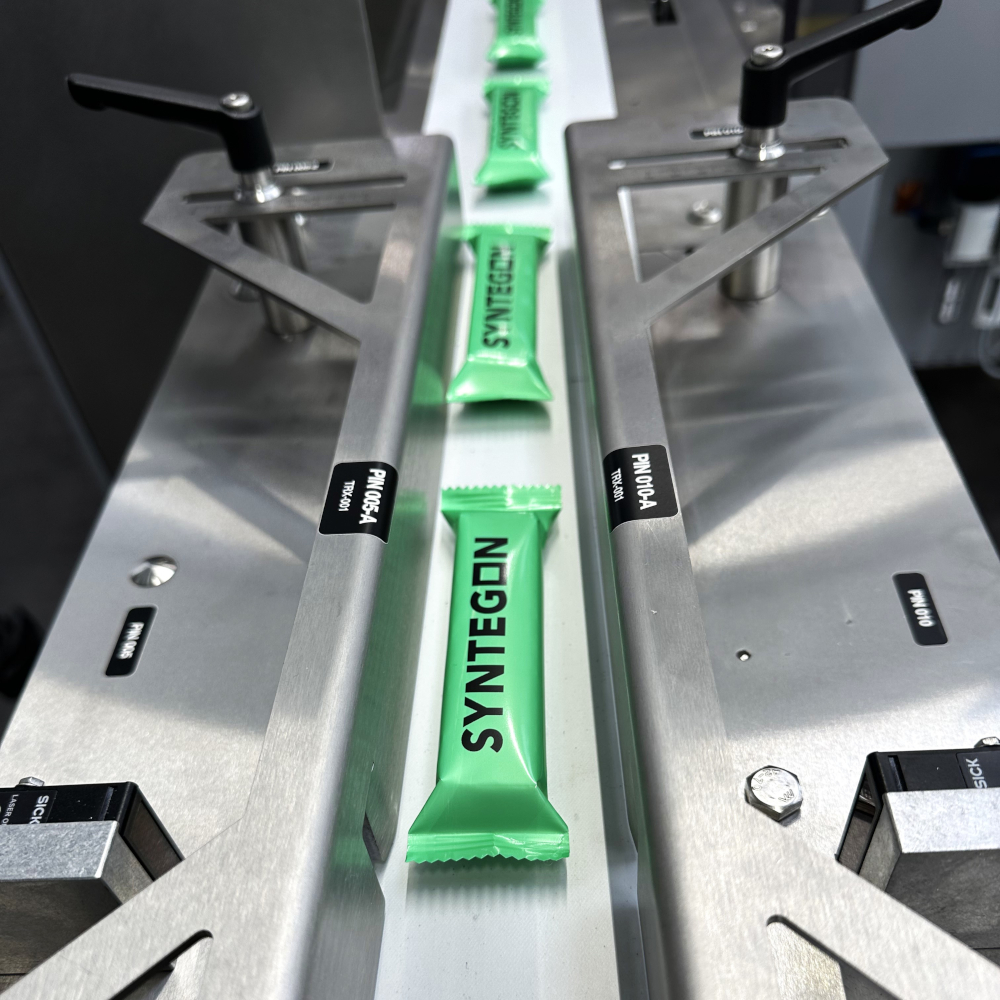
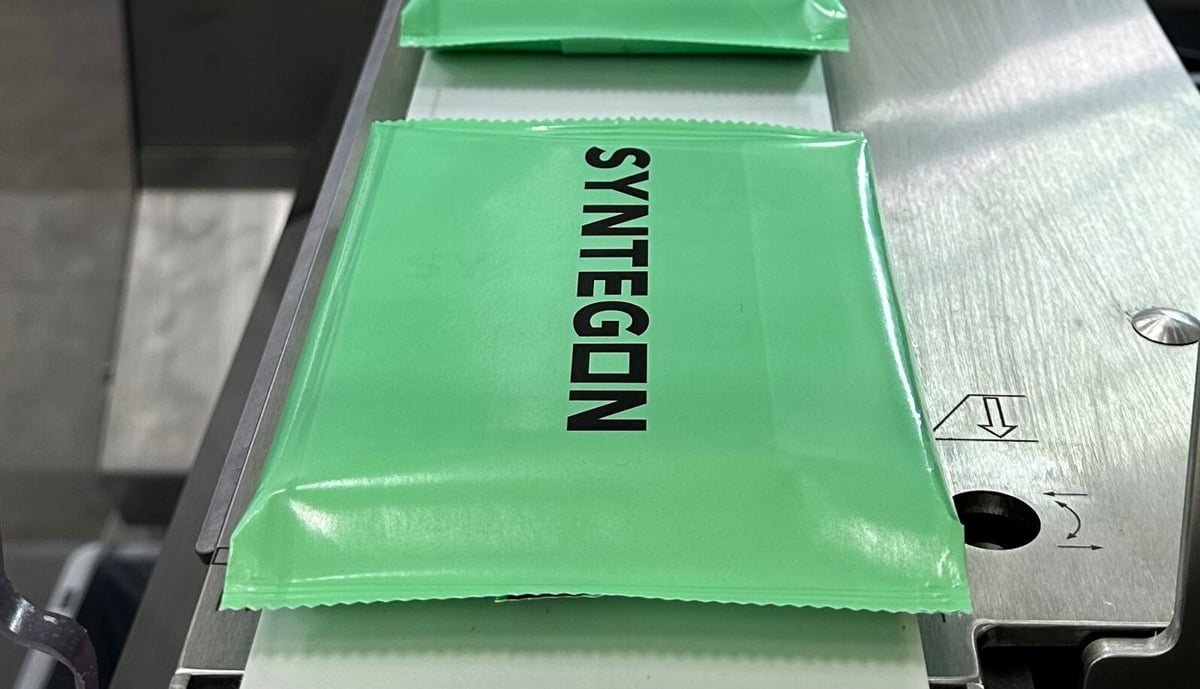
The basic idea is clear: the more uniform a packaging material is, the easier it is to sort and recycle. In many cases, difficult-to-separate multilayer structures are being replaced by PE- or PP-based mono solutions, and in certain applications by paper-based packaging. Monomaterials are already well established in the cold-seal segment. In horizontal flow-wrap applications using heat sealing, mono-PP, mono-PE, and mono-PET are also already in use today – for example in the cookie, cracker, and biscuit segments.

But recyclability is only the starting point. Packaging is only fit for real-world use if it also performs under actual production conditions. A cookie with nut pieces visible on the surface, for instance, places different demands on barrier properties and seal integrity than a bar fully coated in chocolate. With crackers, moisture can be the critical factor in preserving the desired crunch. Packaging therefore has to do more than support recyclability: it must protect the product, secure shelf life, and prevent waste. Because if a more sustainable pack leads to higher food losses, little has been gained. From both an ecological and an economic perspective, food waste often carries more weight than the packaging itself.

bosch-package

Where the line becomes the bottleneck

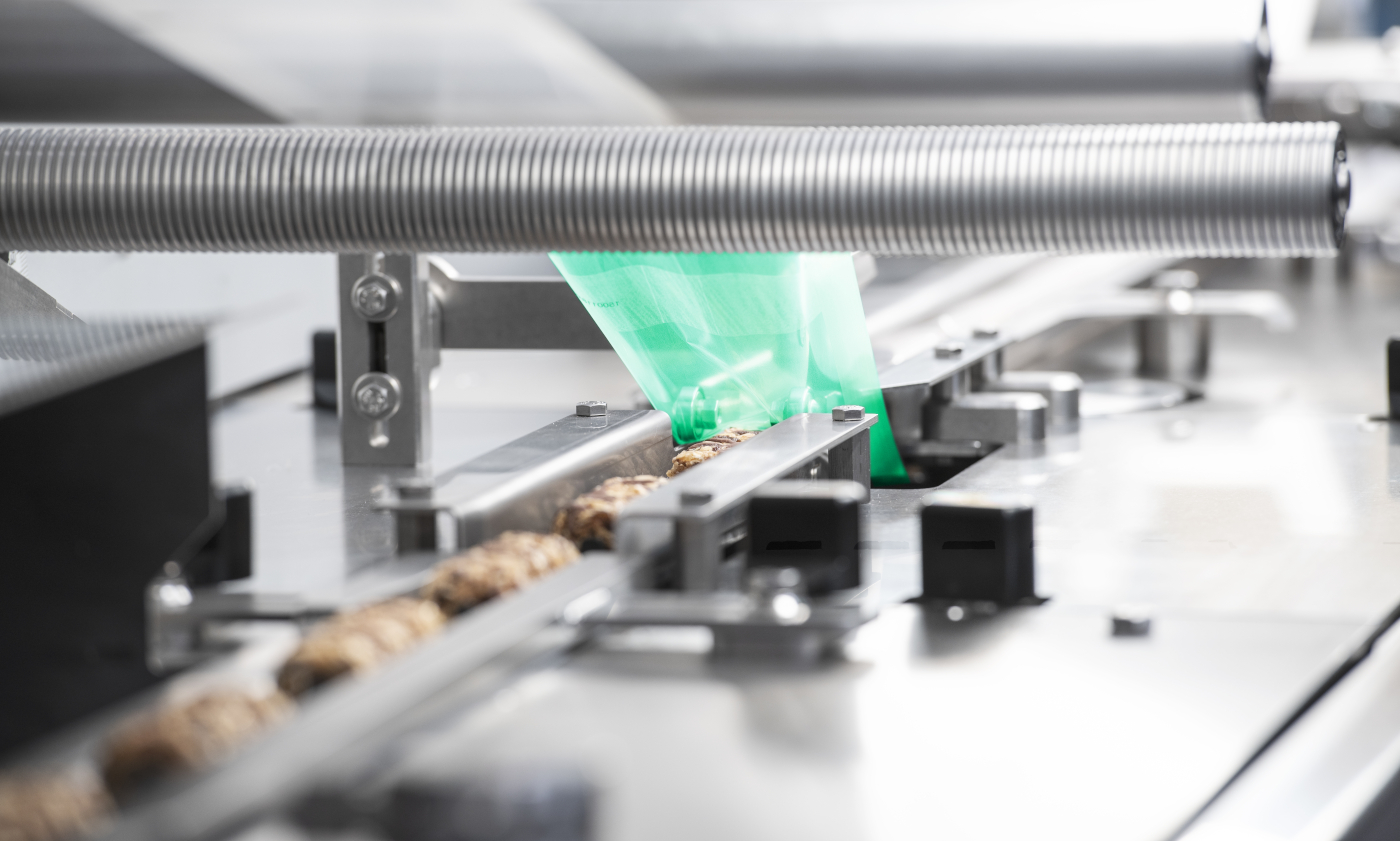
The real challenge becomes apparent during sealing. Conventional multilayer films have been developed over decades for a high level of process reliability. They are comparatively forgiving when it comes to time, pressure, and temperature. Heat-sealable monomaterials, by contrast, have a narrower thermal processing window. Heat has to be applied far more precisely: enough to create a secure seal, but not so much that the material shrinks, warps, or becomes unstable.

In practice, this can limit line speed. Some applications can be converted with virtually no loss in performance, while others require optimized sealing tools, adapted heating concepts, or changes to the line layout. This means the PPWR is not only a question of material choice, but also of machine compatibility.

multipack-paper

Existing lines: test first, then retrofit

For existing equipment, there is rarely a standard “monomaterial package” that fits every case. The more sensible approach starts with the product: What barrier properties are really required? What shelf life has to be achieved? Which packaging material variants are suitable? And what output does the line still need to deliver?

This is followed by lab trials, packaging material tests, and machine trials. These make it possible to compare different films, determine sealing parameters, and assess potential retrofit measures. In many cases, existing machines can be upgraded with modified tools or optimized heating strategies. The sequence, however, is crucial: only when material and process are assessed together can the risk during subsequent production start-up be reduced.

heimann-steinemann

Material reduction is part of the task

The PPWR is not only aimed at recyclability. In future, packaging will also have to be reduced in weight and volume to the necessary minimum. For manufacturers, this opens up an additional lever: film widths, cut-off lengths, or packaging dimensions can be reviewed without compromising process stability. Done properly, this reduces material consumption, costs, and regulatory risk at the same time.

Becoming PPWR-ready with Syntegon

The countdown to the PPWR is therefore above all a practical challenge. Monomaterials are already realistic in many applications today, but they require preparation. This is exactly where Syntegon comes in: not only at the point of machine conversion, but already when assessing packaging materials, product requirements, and process capability. Together with customers and packaging material suppliers, Syntegon can test material samples, determine sealing parameters, evaluate retrofit options, and identify potential performance limits at an early stage.

This early alignment is particularly important where high cycle rates, narrow sealing windows, and demanding barrier properties come together. Syntegon sees itself not merely as a machine supplier, but as a partner on the path toward more sustainable packaging processes. Manufacturers that start testing now will know sooner which packaging materials work, which lines require a retrofit, and where packaging can be reduced further. In this way, regulatory pressure becomes a manageable conversion process – and monomaterial becomes a solution that brings circularity and industrial practice together.

How can we support your current production?

We can support customers by reviewing existing packaging concepts and identifying technical solutions that help prepare for future regulatory requirements.

  • New Sealing Technology – Best-in-class sealing technology for all material concepts. Testing shows higher performance than all competitor solutions.
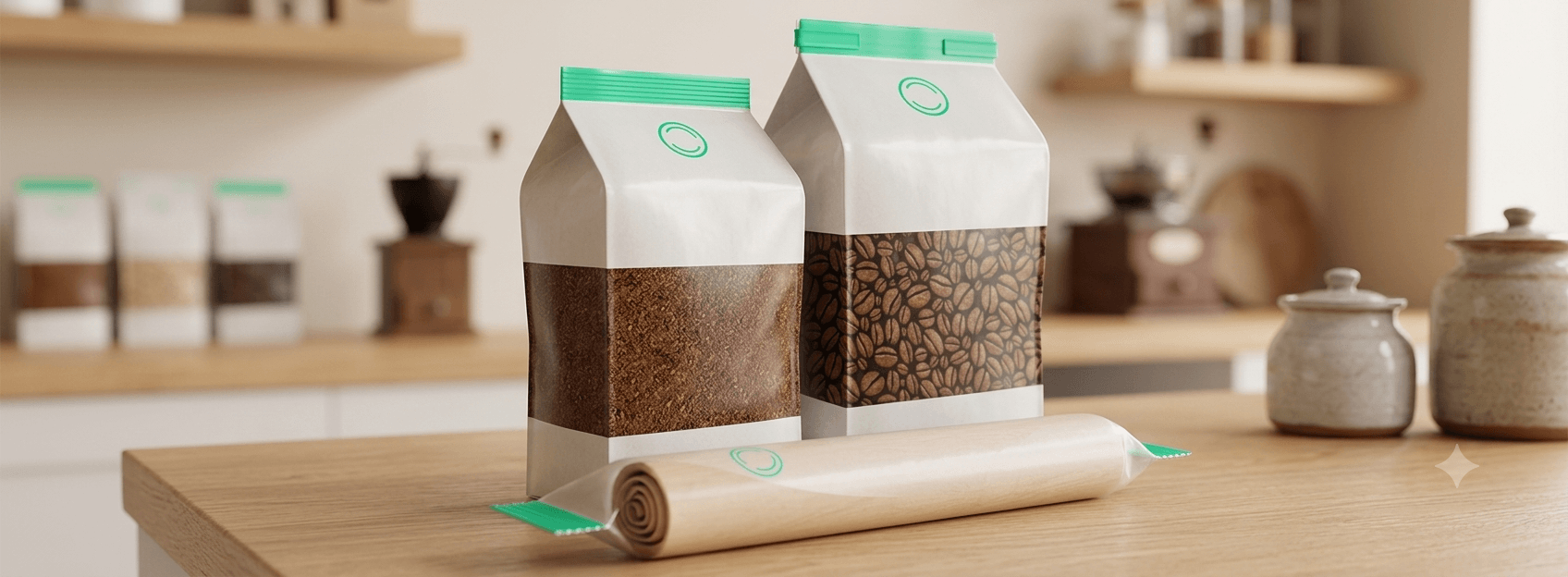
  • Paper On Form – Testing and implementing alternative material concepts, e.g. multilayer film to paper based film.
  • Glue Reduction – Lower material use and improved recyclability though electric glue applicators. Futher, drastic reduction of maintenance.
  • Customized Modernization – Machine modifications for future packaging needs, designed as partners and customized to your specific needs.
Interested in our food solutions?

Interested in our food solutions?

Get in touch with us!
 
Worldwide contacts

Discover more about Syntegon

Monomaterials put to the test: Ready for the PPWR?

Learn how to test monomaterial packaging, assess retrofit needs and prepare food production lines for the EU PPWR.

Preventive maintenance made easy with tailored kits

Discover Syntegon's PM kits, designed to streamline maintenance with original parts and consumables, enhancing output and reducing downtime.

Automatic tray loading for safe pharmaceuticals

Discover our automatic tray loading machines. Enhance output, ensure flexible format changes, and protect sensitive containers.