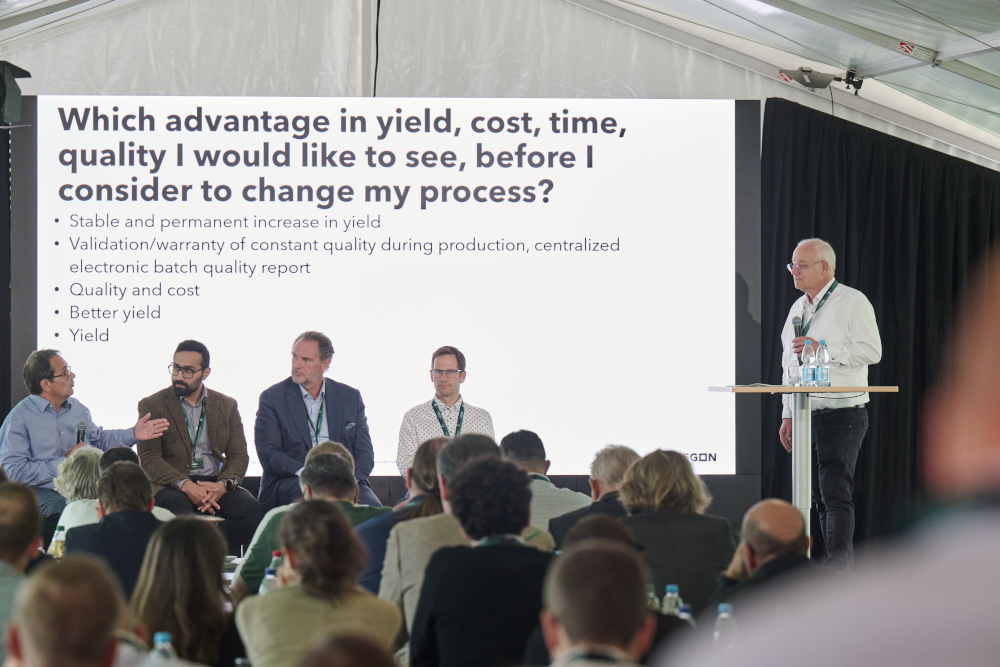
Vaccine manufacturing equipment for every step
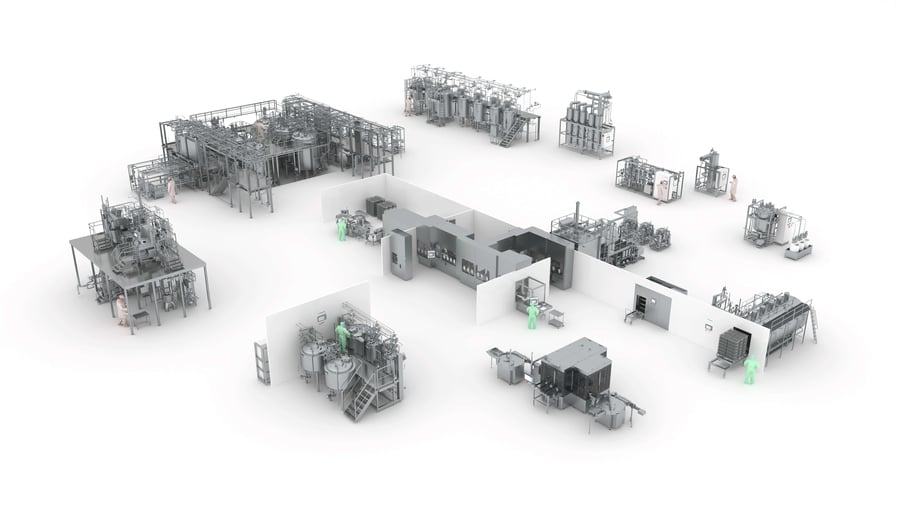
From processing to fill-finish, inspection and packaging, vaccine production requires the right setup at every stage. Syntegon helps you evaluate line concepts for aseptic production, changing pack styles and sensitive products across the entire vaccine manufacturing process
Vaccine manufacturing equipment for aseptic, flexible production
Aseptic control, changing pack styles and cold-process requirements add complexity to vaccine manufacturing.
As your strategic lifecycle partner, Syntegon helps you evaluate processing, fill-finish and packaging concepts to protect sensitive products and define the right line concept.
Lower risk, more agility, better product protection
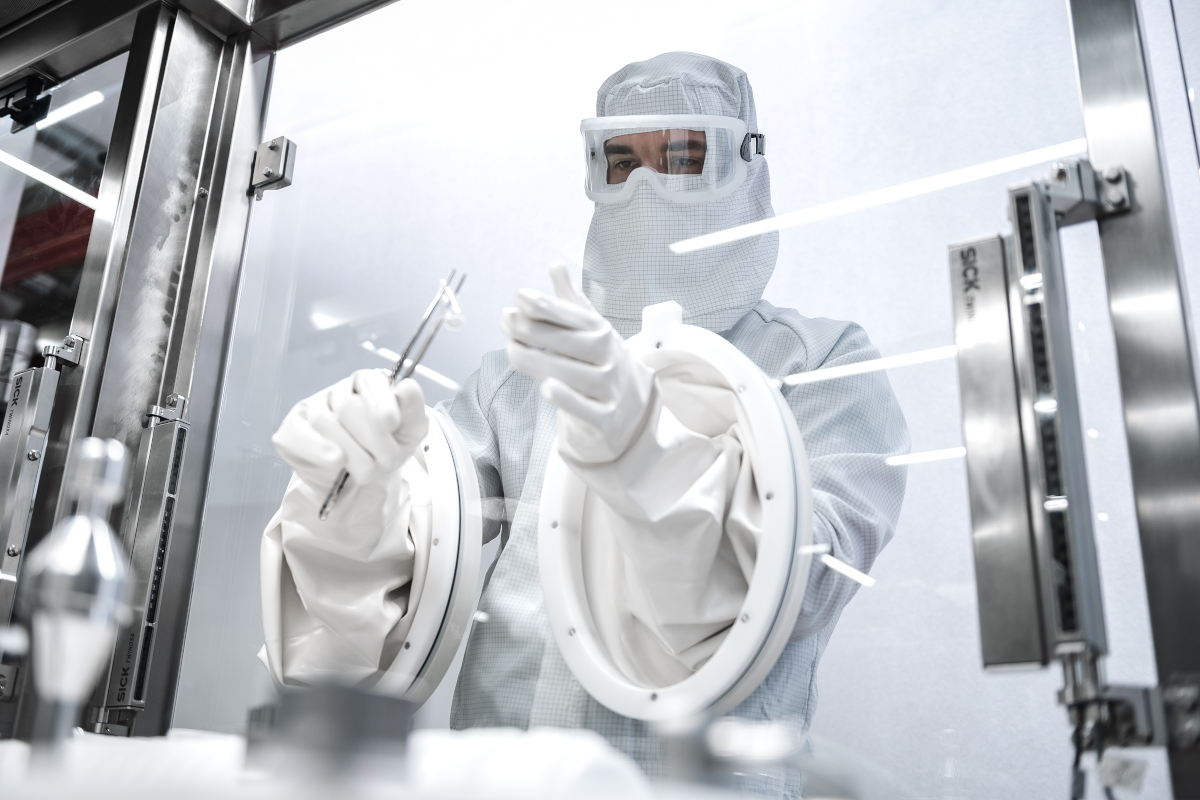
How to strengthen aseptic control in vaccine filling?
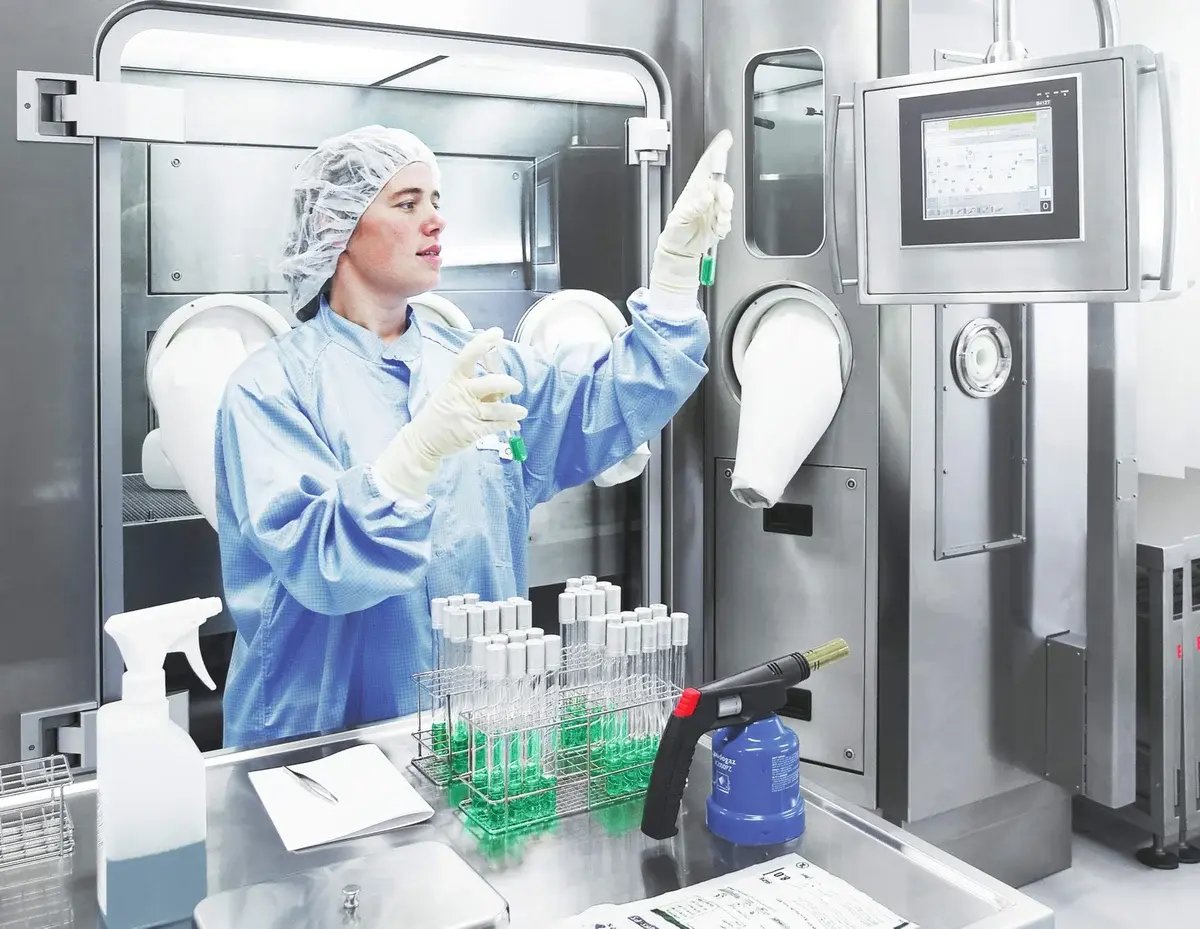
Aseptic vaccine filling puts pressure on every intervention, transfer step and operator interaction, especially when teams need to assess older installed lines against tighter barrier expectations.
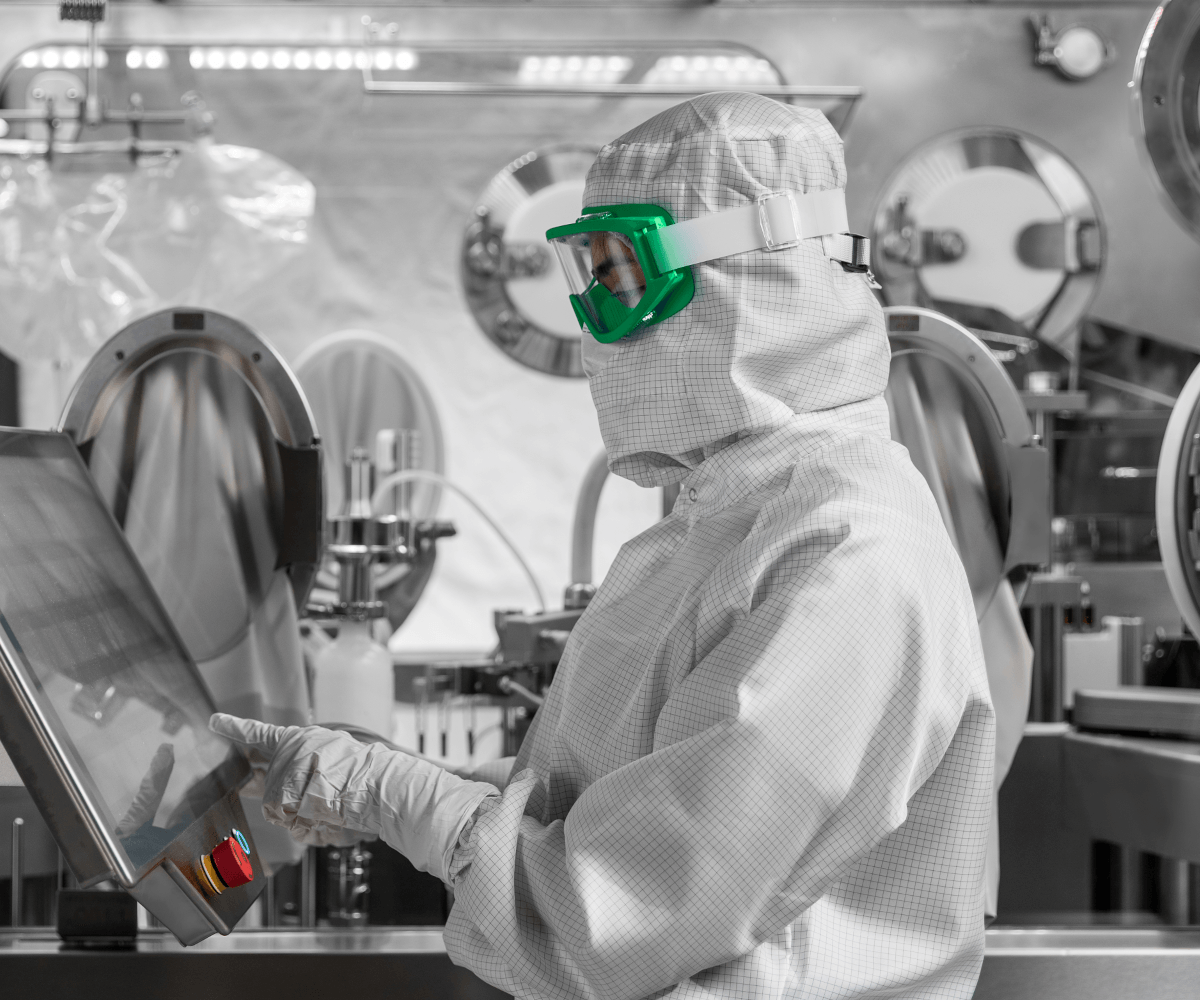
To reduce this risk, Syntegon helps evaluate isolator and RABS-based fill-finish concepts that reduce operator exposure and provide a practical path to stronger contamination control.
- Fully integrated isolator lines keep operators and product separated
- Integrated 100% in-process control adds an additional control point within the filling process
- Upgrade concepts for installed vial lines can add passive open RABS instead of requiring full line replacement
How to stay agile across changing vial formats?
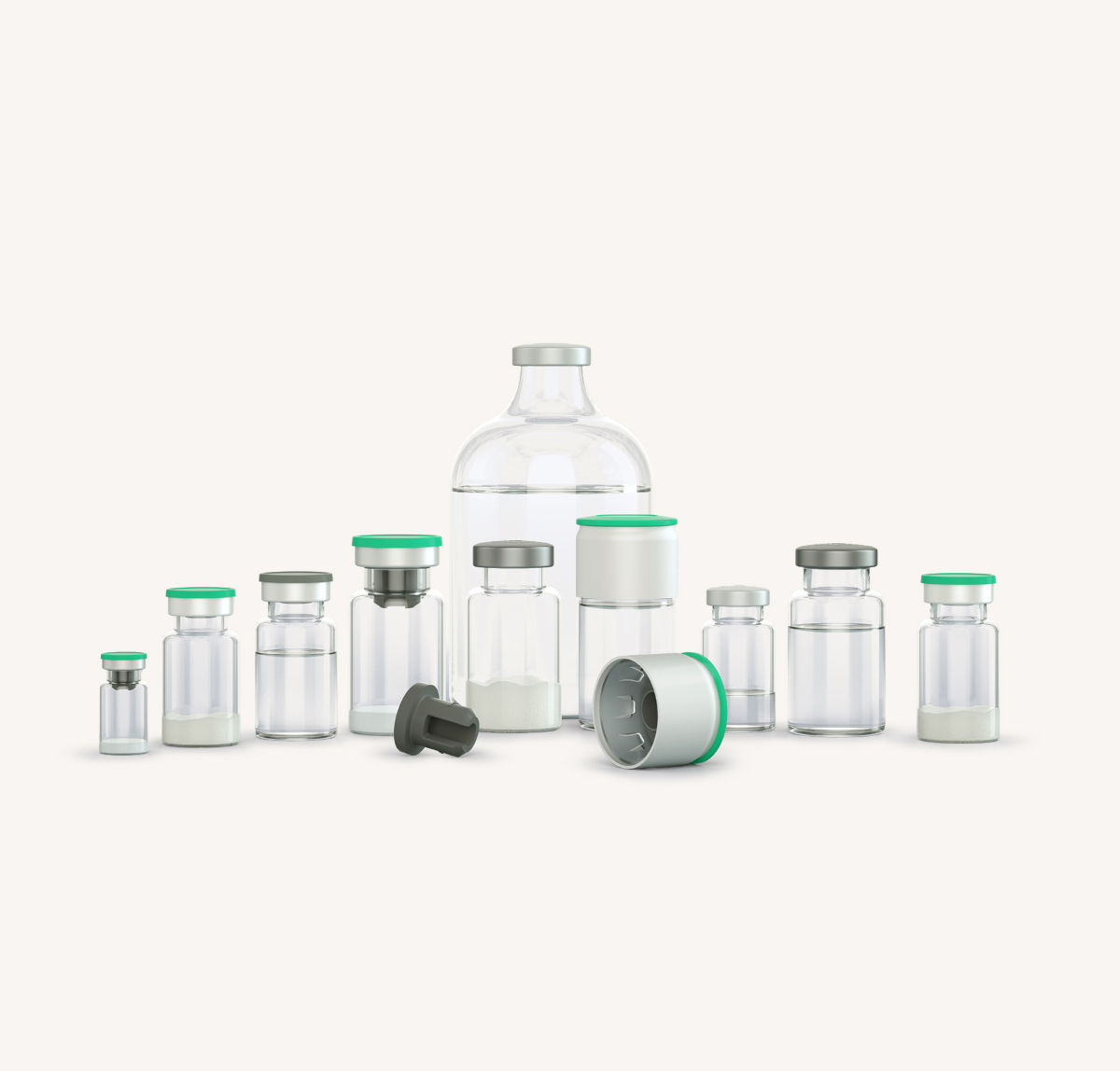
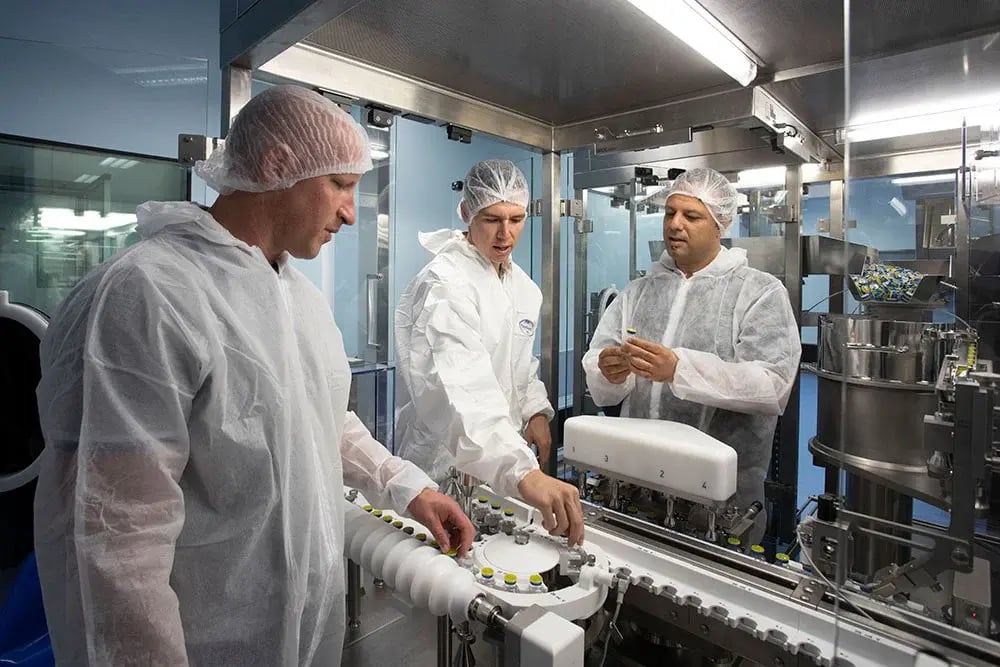
Vaccine portfolios can shift quickly between vial formats, batch sizes and parallel product demands, which may leave fixed line concepts underused. In response, Syntegon helps teams evaluate line layouts, dosing concepts and format strategies that keep capacity available as production priorities change.
- Fast format changes reduce downtime across different vial formats
- Parallel process concepts keep lines productive while other steps, such as freeze-drying, continue
- Flexible batch setups can combine smaller and larger vessel sizes, including 150 l and 600 l configurations linked to vial filling
How to protect sensitive vaccines during fill-finish?
Sensitive vaccine serums create narrow process windows during thawing, transfer and filling, where temperature and humidity directly affect product integrity.
In response, Syntegon helps define filling concepts that maintain controlled conditions for cold products and protect the active substance through the critical fill-finish stage.
- Cold filling concepts can run at 2 to 8 °C for sensitive vaccine products
- Reduced humidity inside the isolator helps protectproduct integrity during filling
- Contained transfer and single-use dosing concepts reduce cleaning effort and lower cross-contamination risk
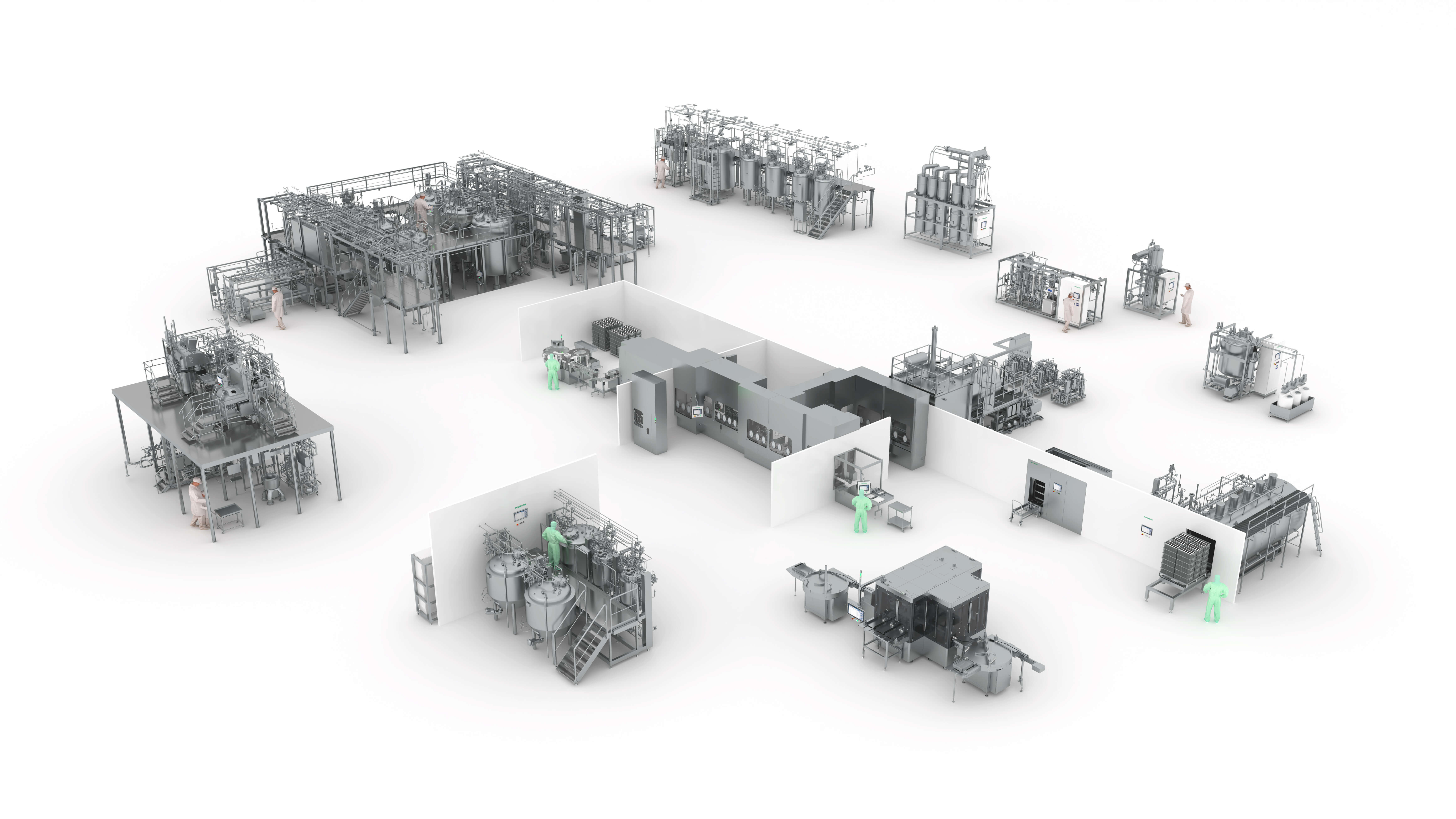
How vaccine manufacturing connects across the line
Start with the right formulation setup
Upstream decisions shape later flexibility. Syntegon connects formulation, storage and transfer concepts so teams can compare batch setups such as 150 l and 600 l and supply vial filling with fewer process interruptions.
Build contamination control into fill-finish
Barrier strategy defines sterile operations. Syntegon helps compare isolator lines and RABS upgrade concepts, including integrated 100% in-process control and contained transfer points.
Protect sensitive products during cold filling
Sensitive vaccine products require stable conditions from thawing to closure. Syntegon defines low-humidity isolator concepts that enable filling at 2 to 8 °C and helps protect active substance integrity.
Keep capacity available across vial formats
Portfolio shifts should not leave line capacity unused. Syntegon plans for fast format changes, multi-format vial handling and retrofit paths that adapt existing lines to new vaccine requirements.
Use parallel processes to keep output moving
Freeze-drying can tie up capacity for days. Syntegon designs line concepts that keep liquid filling productive in parallel and where the application fits, can reach up to 600 vials per minute
Connect inspection, cleaning and downstream steps early
Line performance depends on more than filling alone. Syntegon helps align outside washing, inspection and packaging interfaces early so the full concept works as one integrated system.
Start with the right formulation setup
Upstream decisions shape later flexibility. Syntegon connects formulation, storage and transfer concepts so teams can compare batch setups such as 150 l and 600 l and supply vial filling with fewer process interruptions.
Build contamination control into fill-finish
Barrier strategy defines sterile operations. Syntegon helps compare isolator lines and RABS upgrade concepts, including integrated 100% in-process control and contained transfer points.
Protect sensitive products during cold filling
Sensitive vaccine products require stable conditions from thawing to closure. Syntegon defines low-humidity isolator concepts that enable filling at 2 to 8 °C and helps protect active substance integrity.
Keep capacity available across vial formats
Portfolio shifts should not leave line capacity unused. Syntegon plans for fast format changes, multi-format vial handling and retrofit paths that adapt existing lines to new vaccine requirements.
Use parallel processes to keep output moving
Freeze-drying can tie up capacity for days. Syntegon designs line concepts that keep liquid filling productive in parallel and where the application fits, can reach up to 600 vials per minute
Connect inspection, cleaning and downstream steps early
Line performance depends on more than filling alone. Syntegon helps align outside washing, inspection and packaging interfaces early so the full concept works as one integrated system.
Explore the complete line
See how flexible vaccine fill-finish works in practice
This case study shows how one vaccine manufacturer combined isolator-based filling, fast format changes, and controlled cold conditions in one integrated line to protect sensitive products and maintain output.
- Up to 400 vials per minute with integrated 100% in-process control
- Fast format changes and parallel processes for liquid filling and freeze-drying
- Cold filling at 2 to 8 °C through reduced humidity inside the isolator
What makes a vaccine line concept effective?
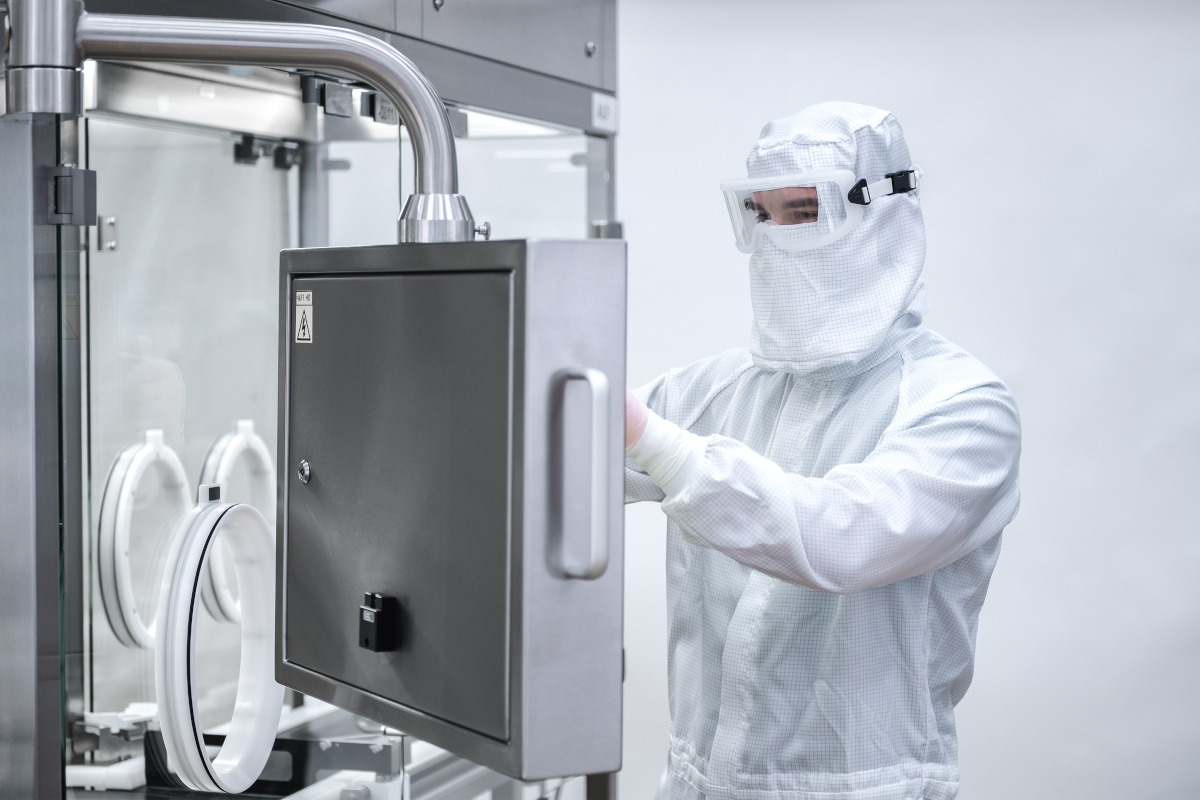
Upgrade contamination control without defaulting to full replacement
Syntegon helps translate Annex 1 pressure into 2 practical paths: new isolator lines or RABS upgrades for installed vial fillers. That includes passive open RABS concepts, RTU filling paths and glove-port layouts that can be tested with operator before implementation.
Protect sensitive vaccines in contained high-output filling
For cold and sensitive vaccine products, Syntegon combines isolator containment, integrated 100% in-process control and single-use dosing in one fill-finish concept. In the right application, this setup can run at up to 600 vials per minute and fill products at 2 to 8 °C through reduced humidity inside the isolator.
Keep capacity usable as products, formats and batch sizes shift
Syntegon combines fast format changes, parallel processes and flexible batch architecture so one line concept remains commercially viable for longer. Documented examples include parallel liquid filling during freeze-drying, single-use bag interfaces and batch setups that link 150 l and 600 l vessels to vial filling.
IDT Biologika scales high-speed vaccine vial filling
To quickly expand vaccine and biologics capacity , IDT Biologika installed a new high-speed isolator line with 100% in-process control. The line reaches 80 to 100 million 2R vials per year, with batch sizes up to 500,000 containers.
Aspen expands vaccine filling in less than 6 months
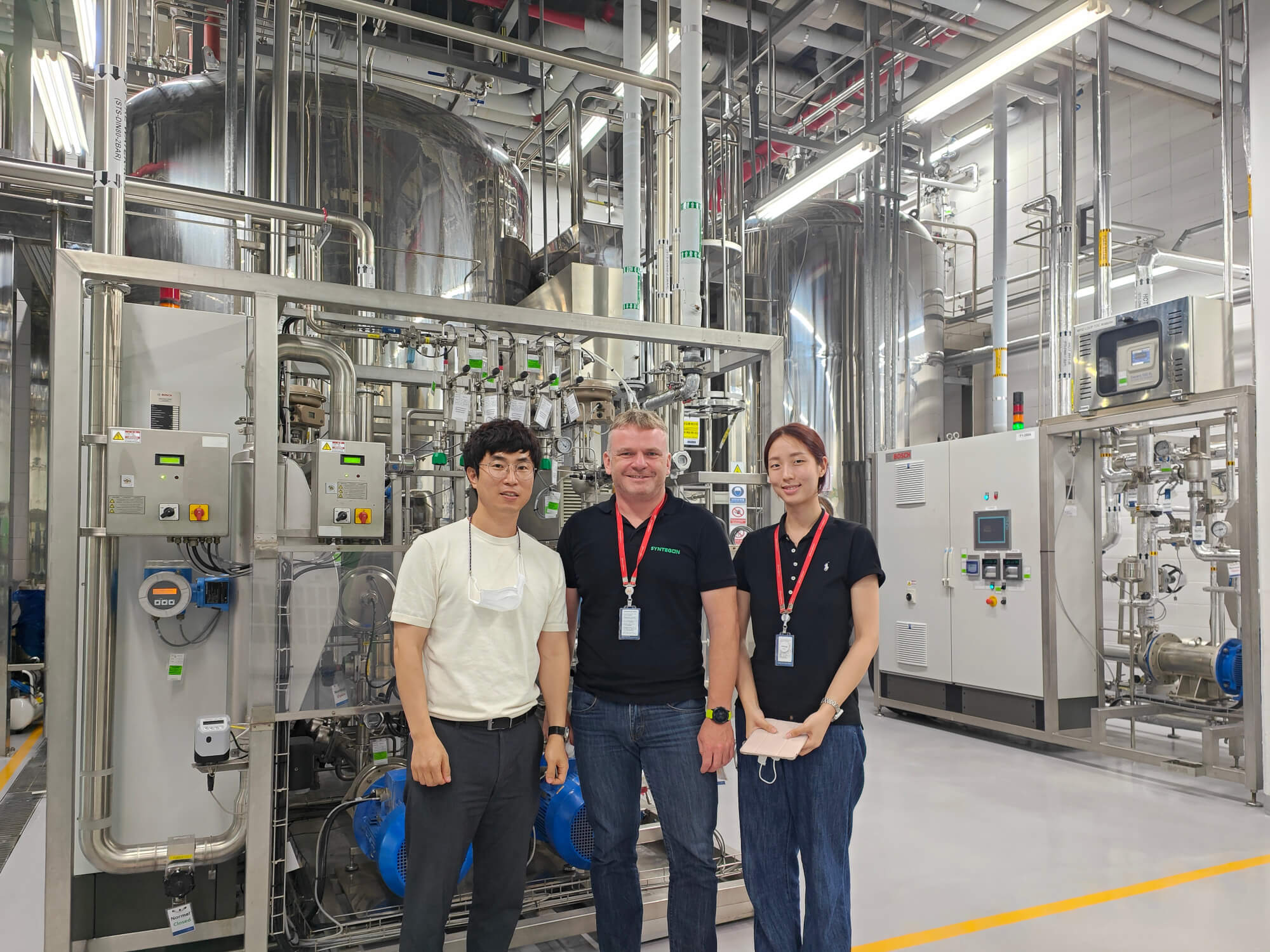
When a new vaccine opportunity emerged, Aspen adapted an existing fill-finish line with Syntegon support instead of starting from scratch. The retrofit was completed in less than 6 months and vaccine filling now runs 24/7 in Gqeberha.
Janssen Vaccines gains flexibility for shifting batch needs
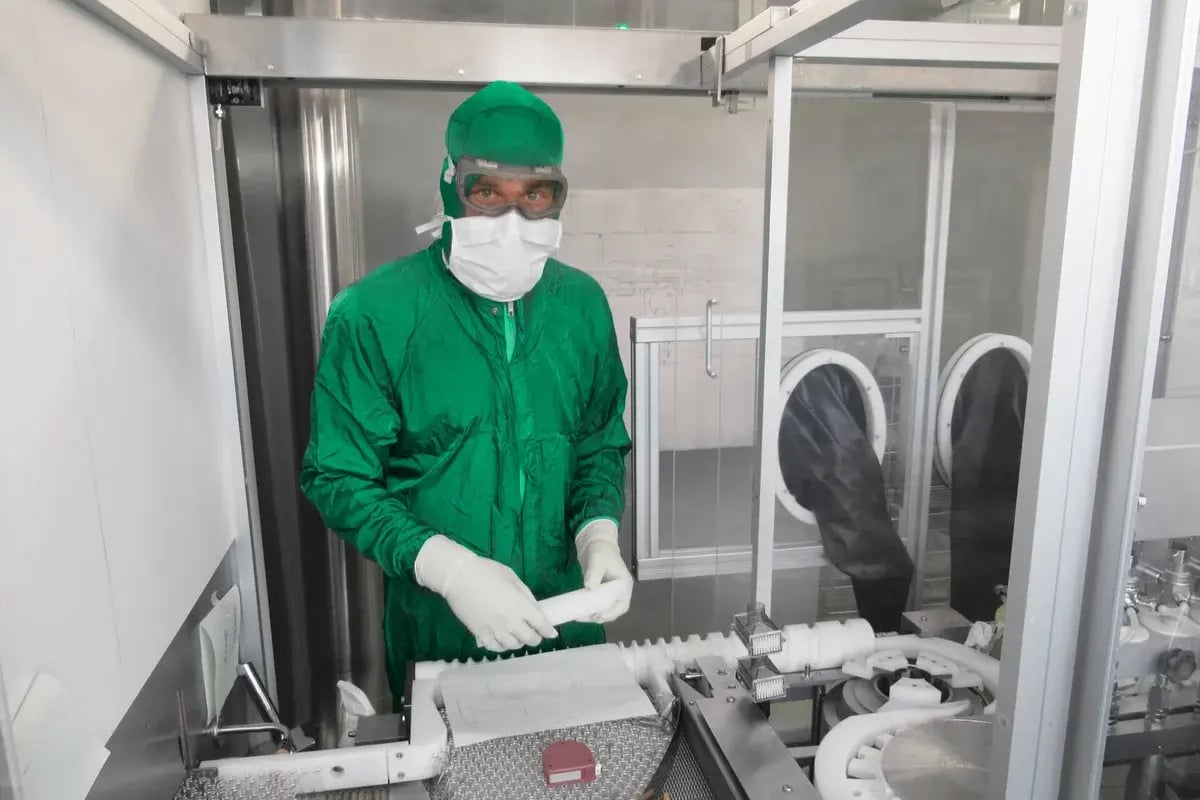
Janssen needed to transfer processes and expand production for new active substances without losing agility. Syntegon delivered a tailored formulation setup with 150 l and 600 l batch options, as well as simultaneous processing for higher output per shift.
AJ Vaccines upgrades aseptic filling without full replacement

To respond to Annex 1 pressure, AJ Vaccines chose a RABS upgrade for an installed vial filling machine instead of replacing the full line. The project added RTU filling paths, glove-port access, and a stronger barrier concept while preserving asset value.
Vaccines knowledge hub
AJ Vaccines Case Study
Learn how AJ Vaccines future-proofed its line with a RABS-update from Syntegon.
Aspen Pharmacare vaccine vial line case study
See how Aspen Pharmacare expanded sterile vaccine vial capacity with a Syntegon vial filling line designed for multiple formats ensuring high quality.
Bavarian Nordic: Award-winning fill and finish project
Explore how Bavarian Nordic combined cold filling, isolator protection and parallel processes.
IDT Biologika high speed vial filling line case study
See how IDT Biologika scaled production to 80 to 100 million 2R vials per year with a high speed line, isolator and 100 % IPC.
Janssen Vaccines: Flexible filling for future drug launches
Learn how Janssen increased batch flexibility with a tailored formulation and storage setup.

Frequently asked questions
It can cover the full path from formulation and storage to aseptic fill-finish, inspection and packaging. On this page, the focus is on how these steps connect into a practical line concept for vaccine production.
That depends on your product, intervention strategy, installed base and contamination control targets. For some sites, a new isolator line is the right fit. For others, upgrading an existing vial filler with RABS can be the more practical path.
Flexibility starts with line layout, format strategy and transfer design. Fast format changes, multi-format vial handling, single-use interfaces and batch setups linked to vial filling can keep capacity available as product demand shifts.
Sensitive products often require controlled conditions during thawing, transfer and filling. Documented examples include reduced humidity inside the isolator and cold filling at 2 to 8 °C to help protect active substance integrity during the fill-finish window.
Yes, in some cases. One documented upgrade path added a passive open RABS, RTU filling paths and user-focused glove-port positioning to an installed machine instead of replacing the full line.
Services help determine how quickly a new or upgraded concept reaches stable operation. Qualification support, on-site technical expertise, retrofit planning and operator enablement can shorten ramp-up and reduce disruption during changeovers.
Interested in Vaccine manufacturing?
Our experts will be happy to talk you through the process personally.
News
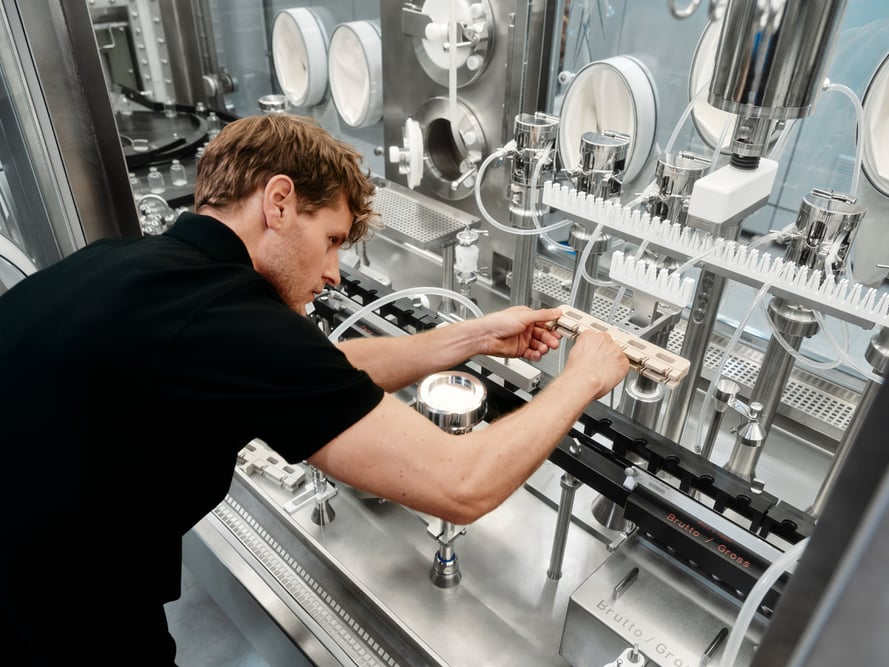
Discover how Syntegon enhances pharmaceutical education with Dr. Marcus Knöll's insights at the University of Maryland's Tablets and Capsules Short Course.
Discover the HTG Next Gen, designed to minimize product loss and streamline the granulation process, addressing hidden costs with proven technology.
Discover how our Settle Plate Changers (SPC) 2000 and 4000 can automate your compliance with Annex 1, enhancing both active and passive viable monitoring.