




October 31, 2024, marked an important day for the pharmaceutical and biotech industries: Syntegon and Telstar officially joined forces to provide pharmaceutical companies and contract manufacturing organizations (CMOs) with a strategic partner that is now even better positioned in terms of technology, geography, and people to support them in the production of their liquid pharmaceuticals.
October 31, 2024, marked an important day for the pharmaceutical and biotech industries: Syntegon and Telstar officially joined forces to provide pharmaceutical companies and contract manufacturing organizations (CMOs) with a strategic partner that is now even better positioned in terms of technology, geography, and people to support them in the production of their liquid pharmaceuticals. This merger is not only in line with Syntegon’s economic growth targets but also contributes to several of the United Nations’ Sustainable Development Goals (SDGs).
An important step towards further growth
As part of its growth strategy, Syntegon focuses on seamless processes, innovative technologies, and sustainable solutions. The acquisition of Telstar represents a significant step in this direction. Together, Syntegon and Telstar now offer comprehensive solutions from a single source. Whether antibiotics, vaccines, or biologics, customers benefit from greater efficiency, traceability, stability, and quality throughout their entire production and supply chain when manufacturing and filling their medications. In addition, Syntegon’s commitment to sustainable processes is complemented by Telstar’s energy-efficient freeze-drying processes using alternative refrigerants.
The nearly 900 new, experienced colleagues work together with the existing team to ensure even better geographical coverage, greater application expertise, and closer customer proximity thanks to a central point of contact for every project. This is also confirmed by the very positive feedback from the industry. The employees demonstrate their passion for this customer promise in their daily work. They draw their motivation from both the corporate goals and the United Nations’ SDGs.
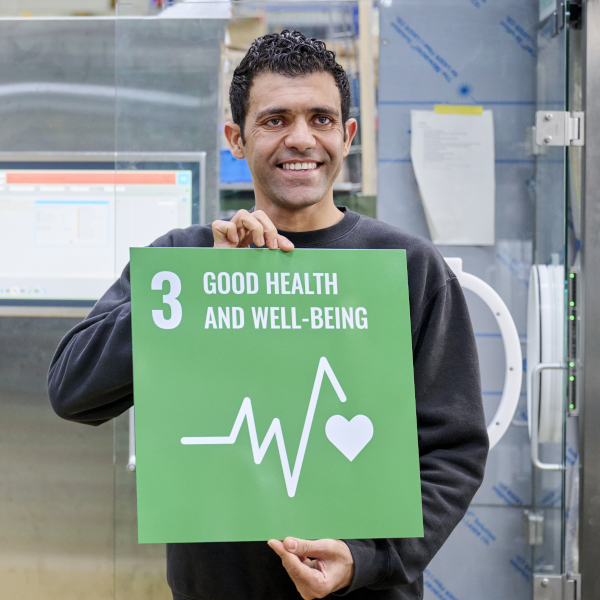
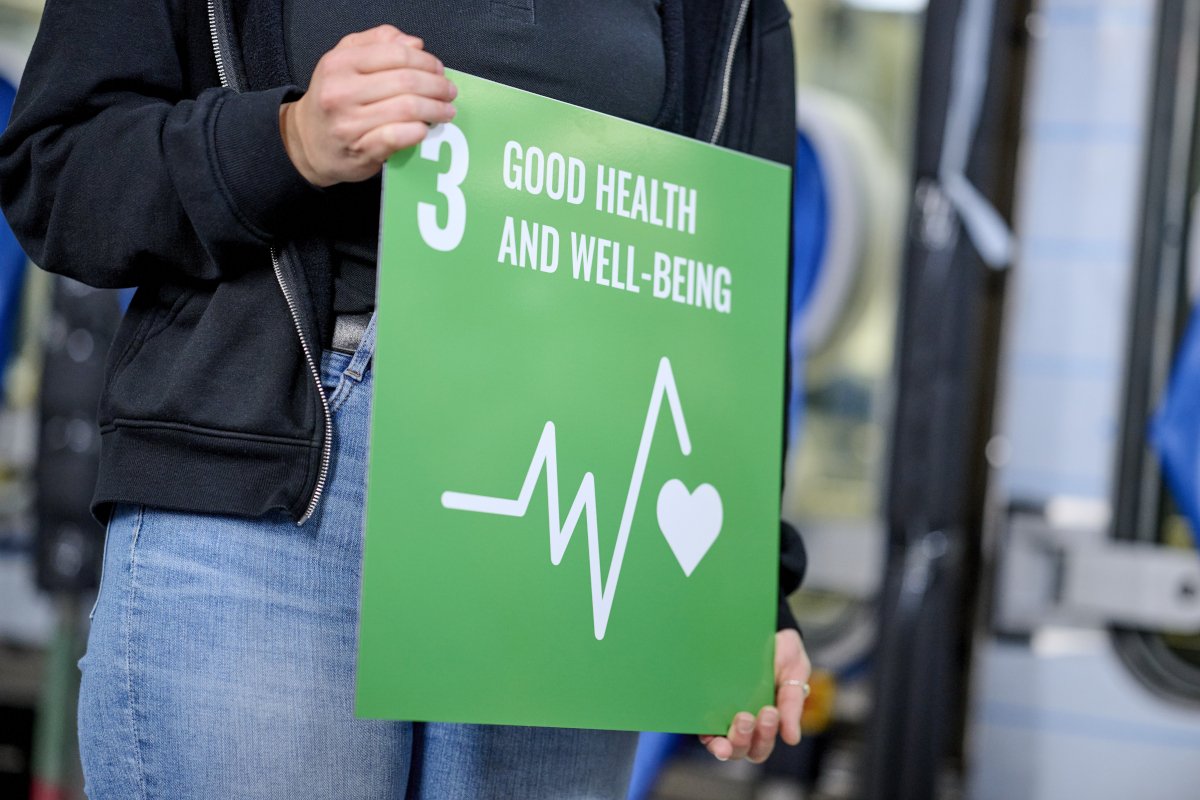
Good health and well-being
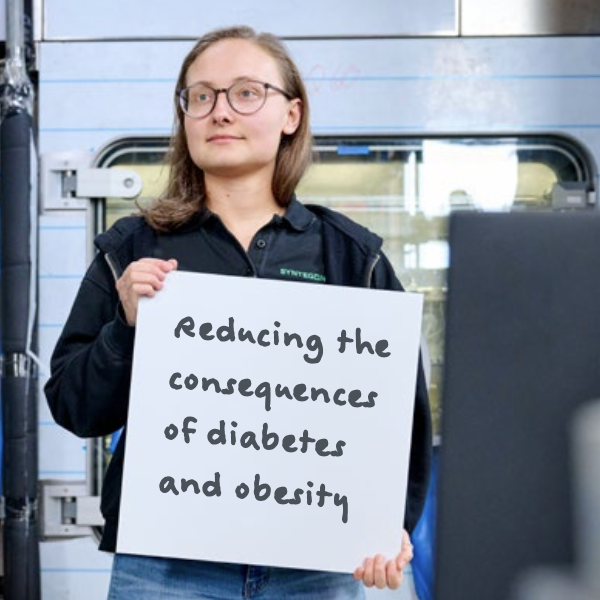
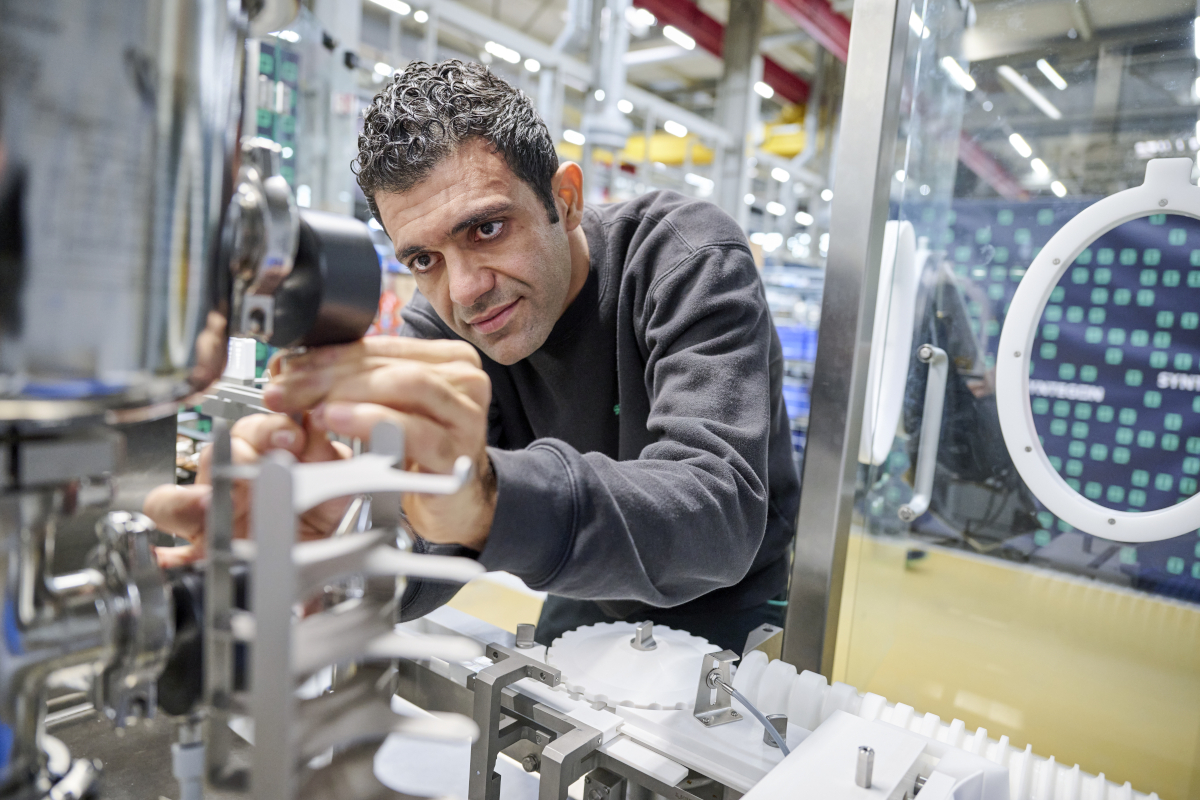
“Everyone should have access to vital vaccinations. Through my work, I help provide vaccines to combat diseases and save lives in developing countries,” says Mohamed Salama, electrical engineer at Syntegon in Crailsheim, Germany. He thereby refers to SDG3, which aims to ensure good health and well-being. His colleague Lena Schlosser takes a similar view: “As an automation engineer, I support customers in producing innovative pharmaceuticals to combat diabetes type 2 and obesity. By programming and commissioning the machines to the needs of our customers, we jointly contribute to improving the health of many people and preventing heart disease and dementia.”
Jointly reducing energy consumption
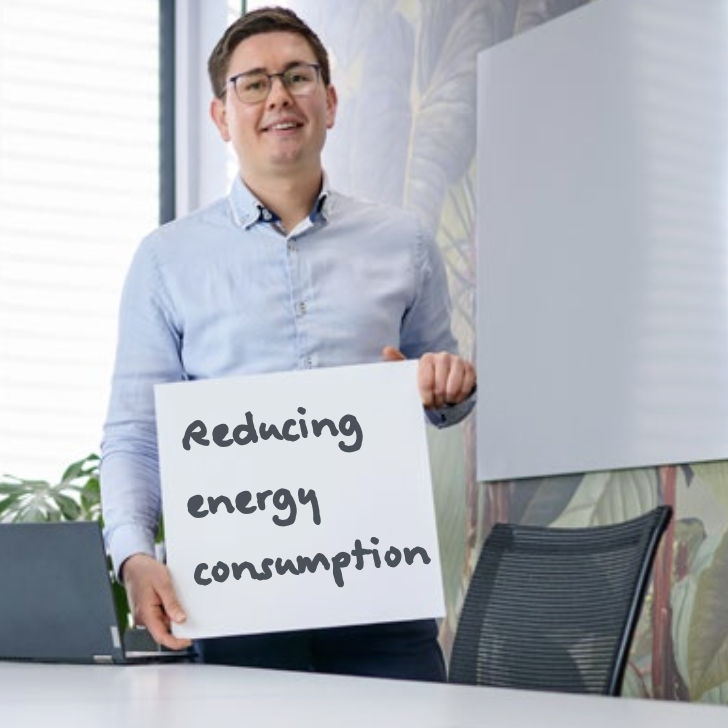
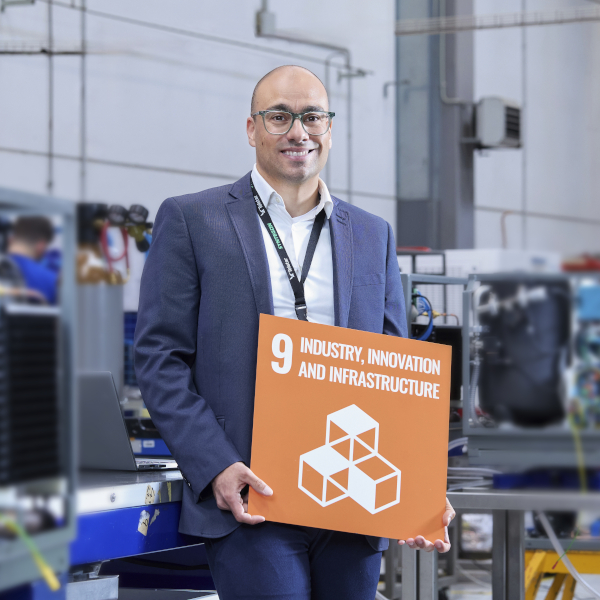
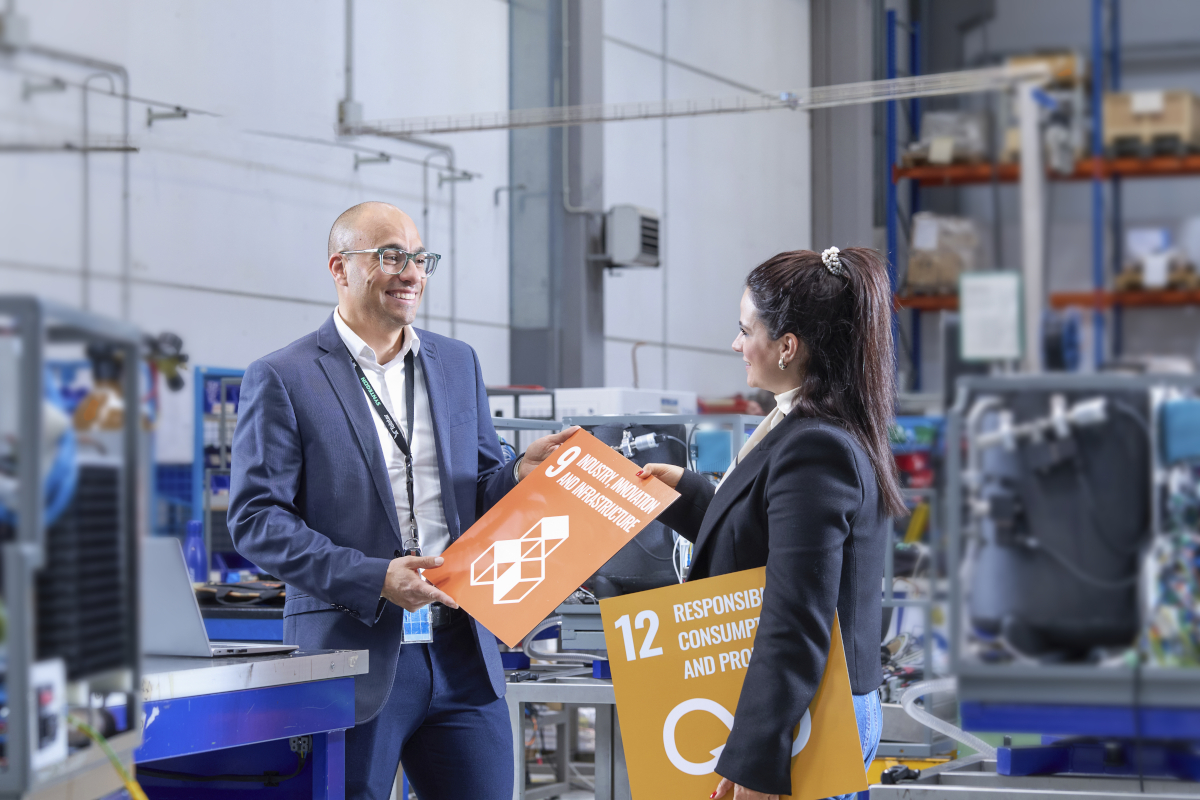
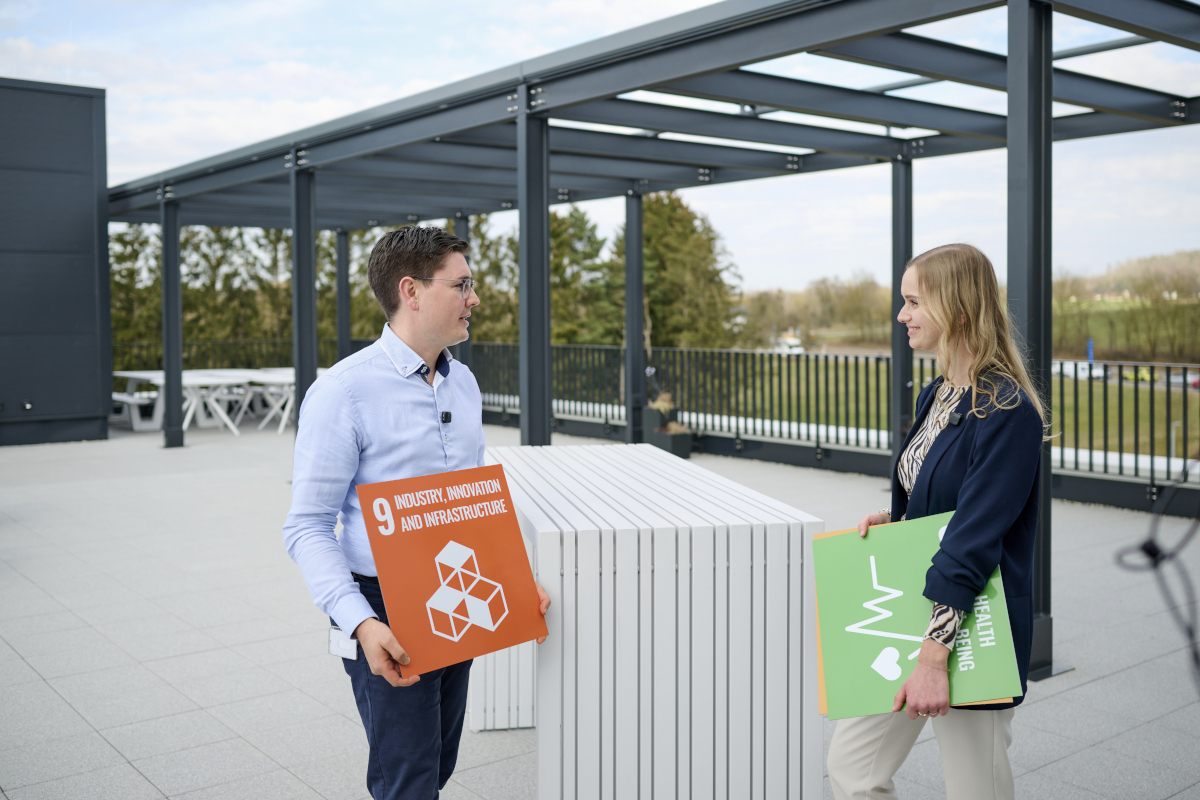
SDG9 is about industry, innovation, and infrastructure. Syntegon and Telstar teams can also achieve a lot together in this area. “I support our customers in reducing energy consumption while adhering to strict regulations,” says Markus Burkert, product manager for sustainable machinery at Syntegon. “Upgrading existing equipment and intelligent programming adds value for both our customers and the environment.” His colleague Alejandro Matilla, R&M engineering manager at Telstar in Terrassa, couldn’t agree more. “By driving the adoption of natural refrigerants, we contribute to a reduced environmental footprint in the pharmaceutical industry. This change supports our customers in their goal of sustainable industrialization and fosters a greener future.”
Innovative technologies for more efficient production processes
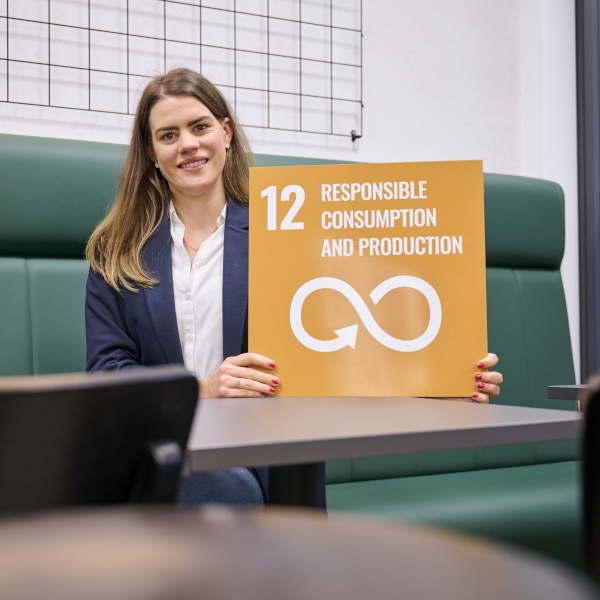
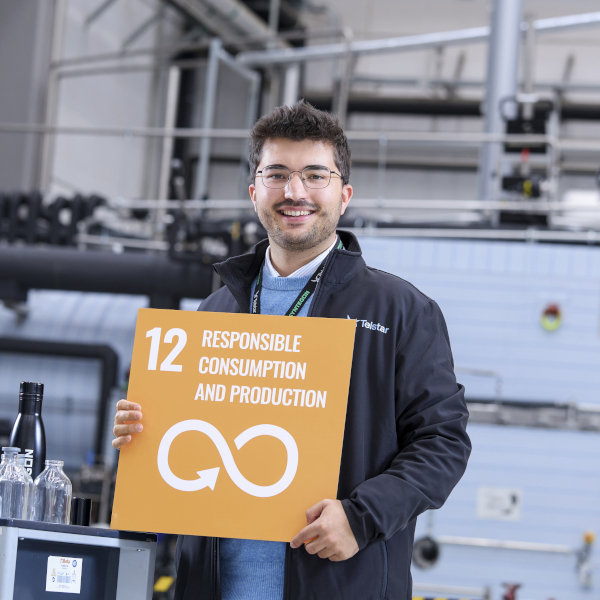
SDG12, in turn, aims at responsible consumption and production. “Our innovative waste management system encourages responsible recycling practices. This way we offer our customers a seamless and ecofriendly solution for their equipment’s end of life,” explains Laura Bravo, quality assurance technician at Telstar. At the same time, her colleague Sergi Perez and his team are working to reduce plastic waste: “By transitioning from single-use bags to reusable containers for inbound and outbound deliveries, we ensure that our clients receive ready-to-use products while minimizing environmental impact.” In Crailsheim, colleagues are also working tirelessly on new, sustainable technologies. “As a product manager, I support customers in manufacturing blood plasma efficiently,” says Sarah Springer. “One focus here is on minimizing the loss of plasma and the waste of packaging materials.”
Learning from each other
Syntegon and Telstar will continue to work together to optimize their processes and technologies in line with the United Nations’ SDGs. Telstar has already established a structured process for documenting and reporting on SDG targets, which is being aligned with Syntegon. As a role model for the entire group, Telstar is piloting a number of activities. These will enable progress toward achieving the SDG targets to be regularly assessed and reported in the future – across all locations and national borders.
Syntegon Newsletter
Get inspired with regular updates on technologies and services, case studies, webinar offers and events.