Ready to use filling Annex 1 compliant aseptic lines
Keep ready to use (RTU) filling under control while you scale from micro batches to high-speed lines and reduce Grade A interventions.
De-risk ready to use filling
RTU filling must deliver reliable aseptic product, compliant with Annex 1 expectations, no matter the output. Each format change or upgrade touches your contamination control strategy and can add lead time, cost and Grade A intervention risk.
Syntegon combines RTU filling equipment, barrier design and automation with lifecycle support from URS to modernization so you can expand capacity with less regulatory risk.
Turn RTU filling challenges into impact
How to cut contamination risk?
Annex 1 increases scrutiny on glove entries into Grade A, yet many RTU lines still rely on manual tub handling and IPC checks near open containers.
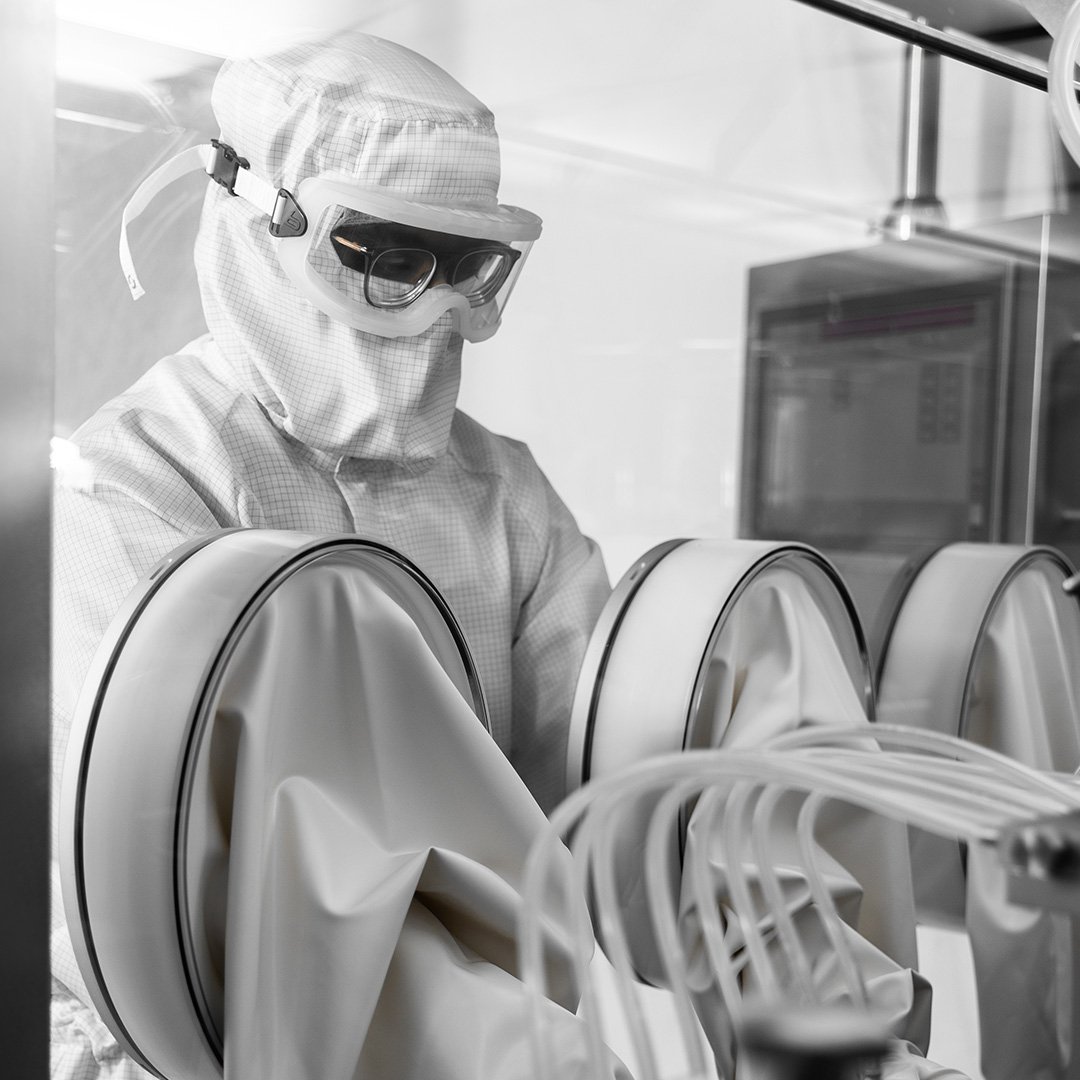
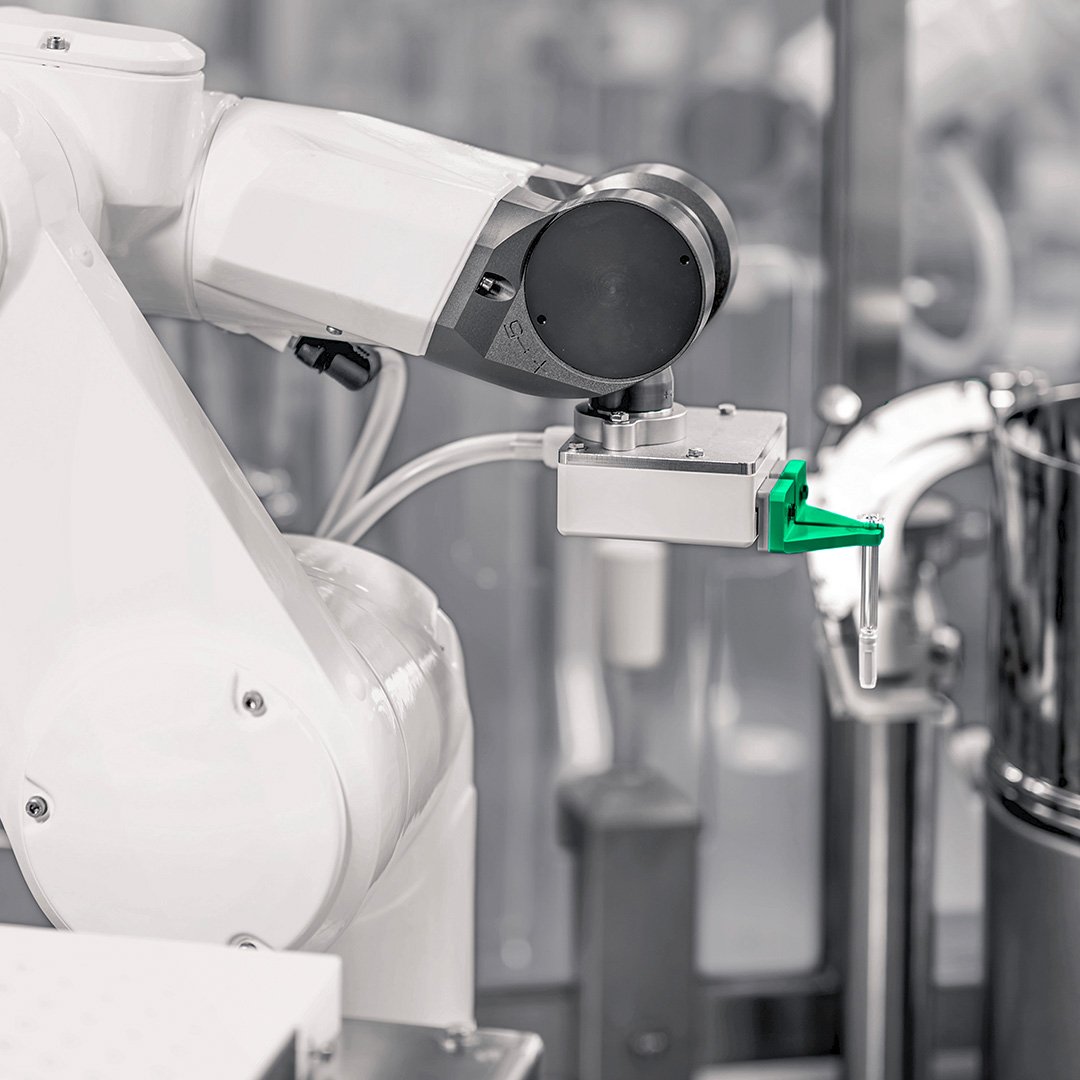
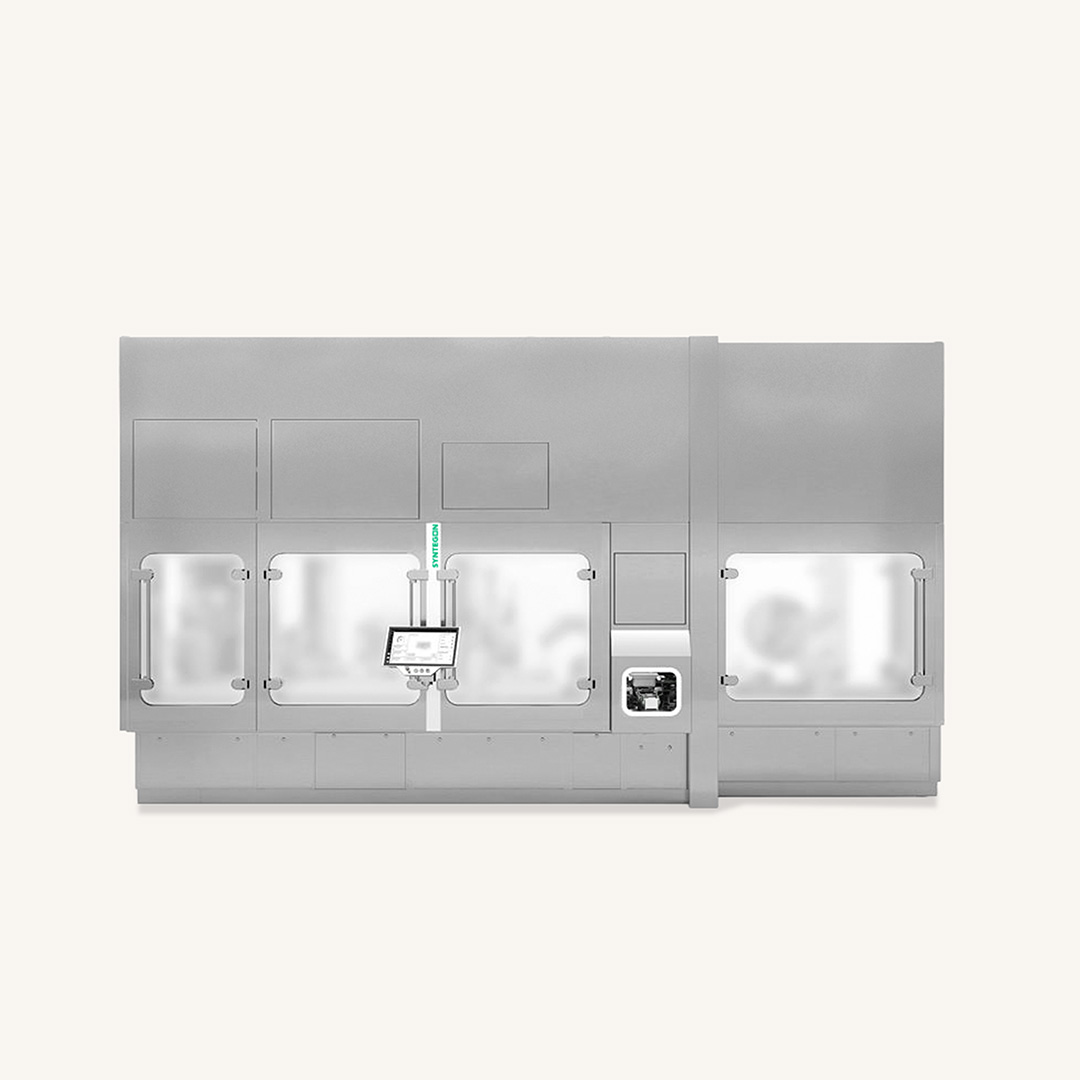
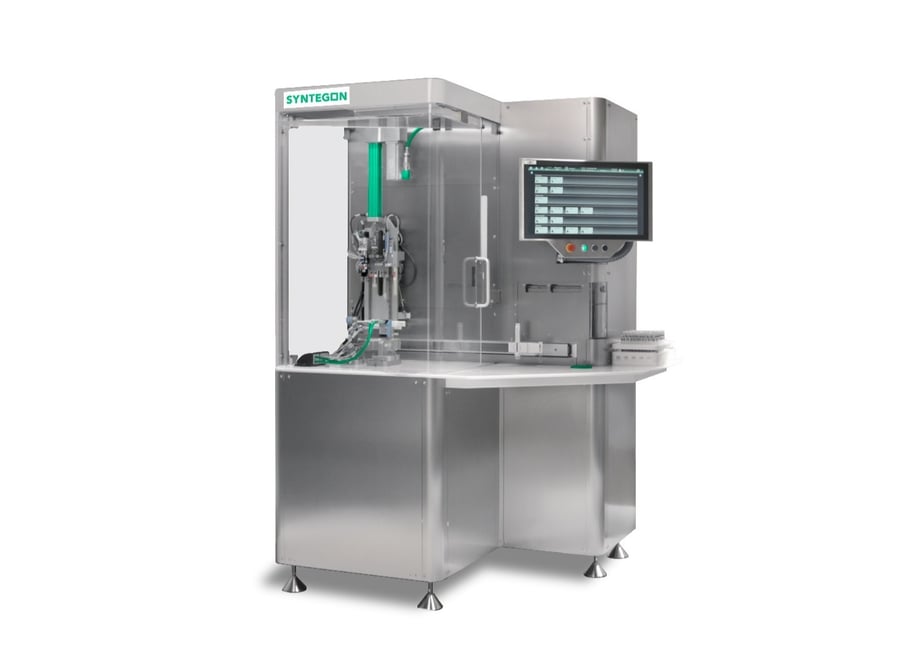
Syntegon gloveless isolator cells with integrated air management and robotics separate operators from the aseptic zone and automate these steps. Versynta microBatch fills 120 to 500 syringes, vials, or cartridges per hour with 100% in-process control and multiple inline inspections, helping cut manual aseptic tasks and strengthen the contamination control strategy for RTU filling.
How to scale RTU fill/finish?
Portfolio shifts and Annex 1 expectations push more small, high value batches onto assets originally designed for large syringe campaigns. Running micro or clinical lots on high speed lines ties up capacity and can increase product loss during changeovers.
Syntegon’s ready to use filling portfolio spans gloveless Versynta microBatch cells, Versynta FFP lines up to 3,600 containers per hour, and FXS platforms for medium and high outputs, so you can assign each injectable to the right output class while reusing HMI and validation concepts.
How to modernize RTU filling equipment?
Annex 1 reviews and internal QA audits often flag viable monitoring, glove risks, and aging RTU filling equipment. Manual settle plate changes several times per day interrupt aseptic production and stretch limited staff.
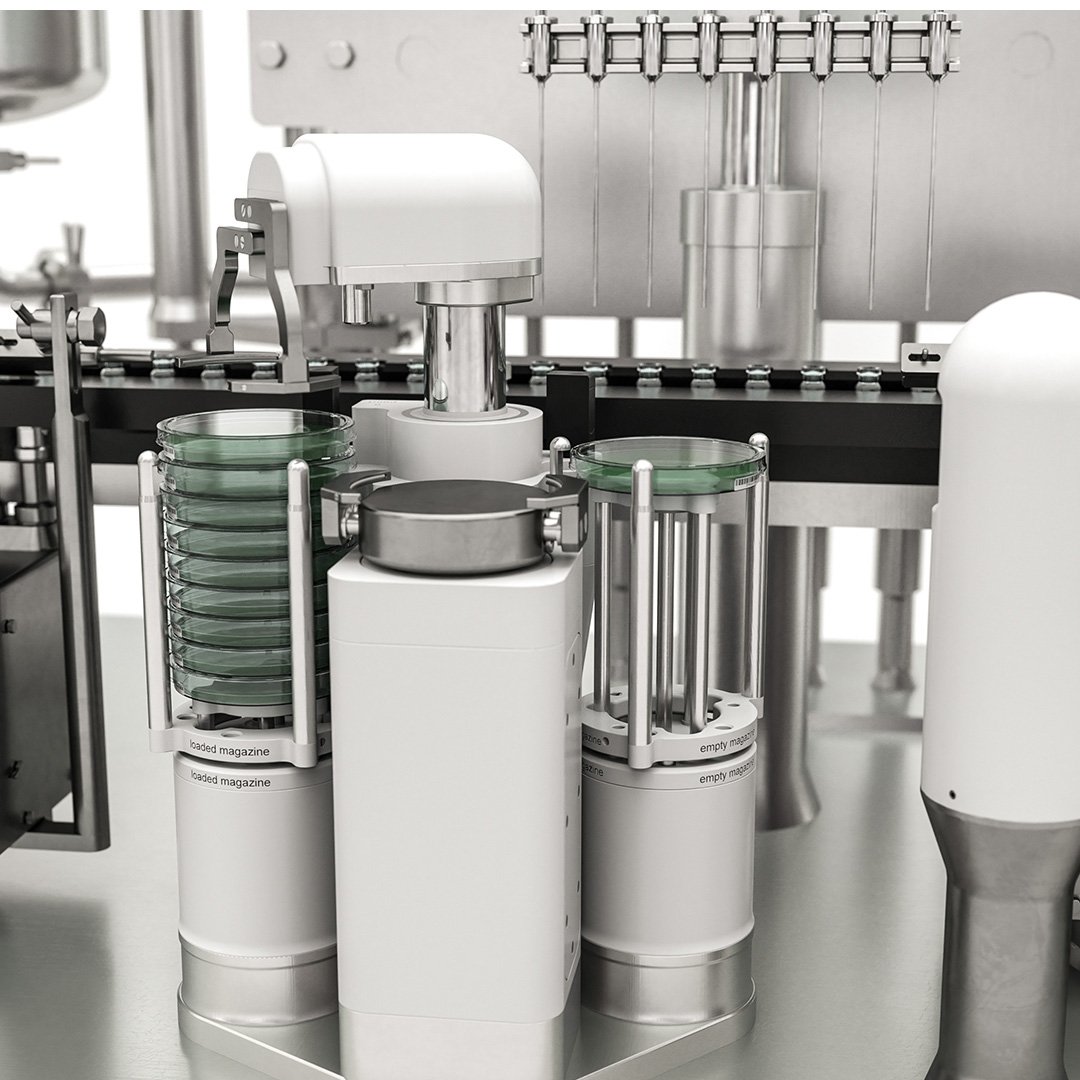
Syntegon combines Annex 1-focused consulting, RABS or isolator upgrades, and the robotic Settle Plate Changer for automated viable monitoring. Plates are exposed for up to 4 hours then replaced automatically, so lines stop once per day and can gain up to 300 operating hours per year while manual interventions drop by about 80%.
Explore our end-to-end, Annex 1 compliant RTU filling solution
No touch transfer into the cleanroom
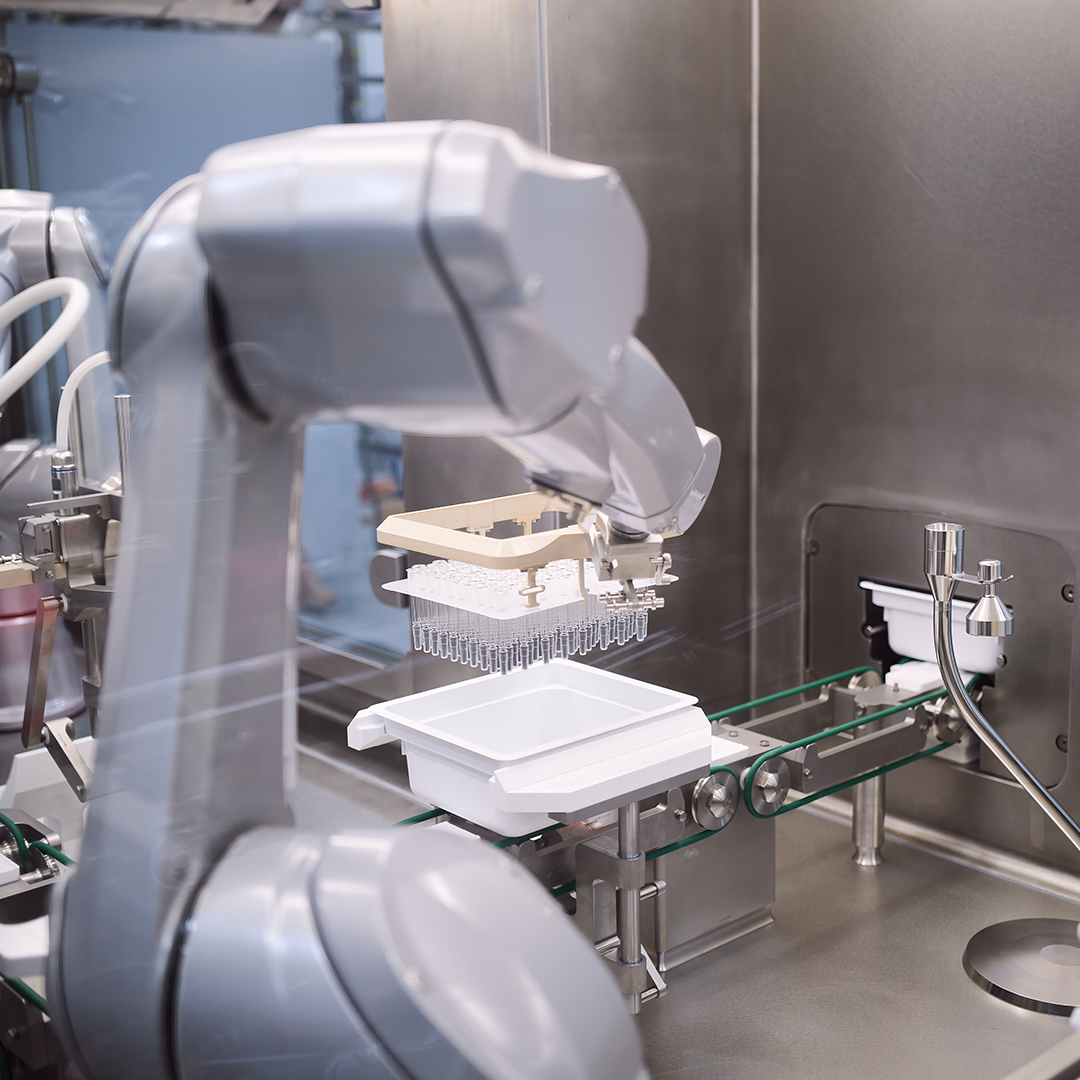
Automated RTU tub opening
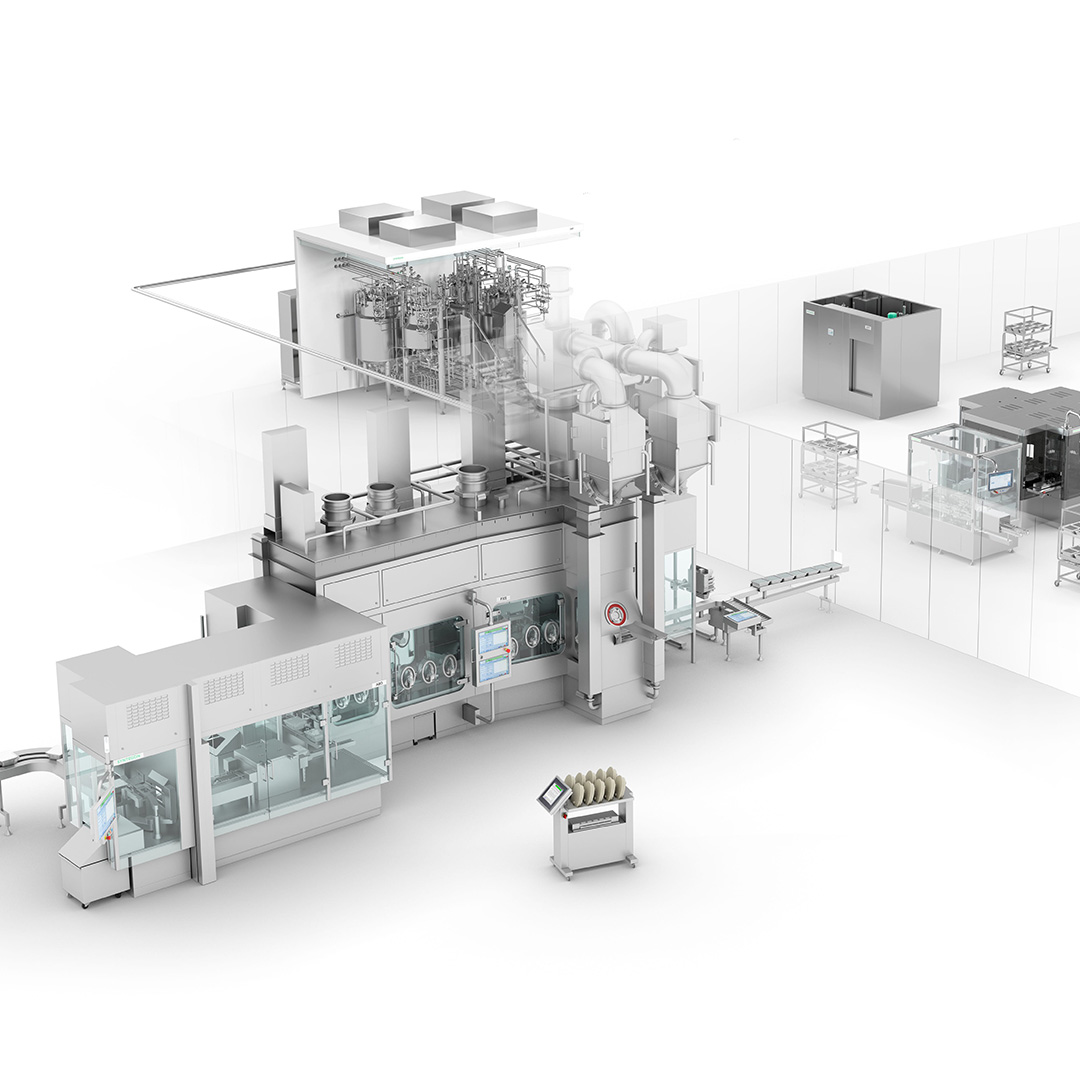
RTU filling line with isolator
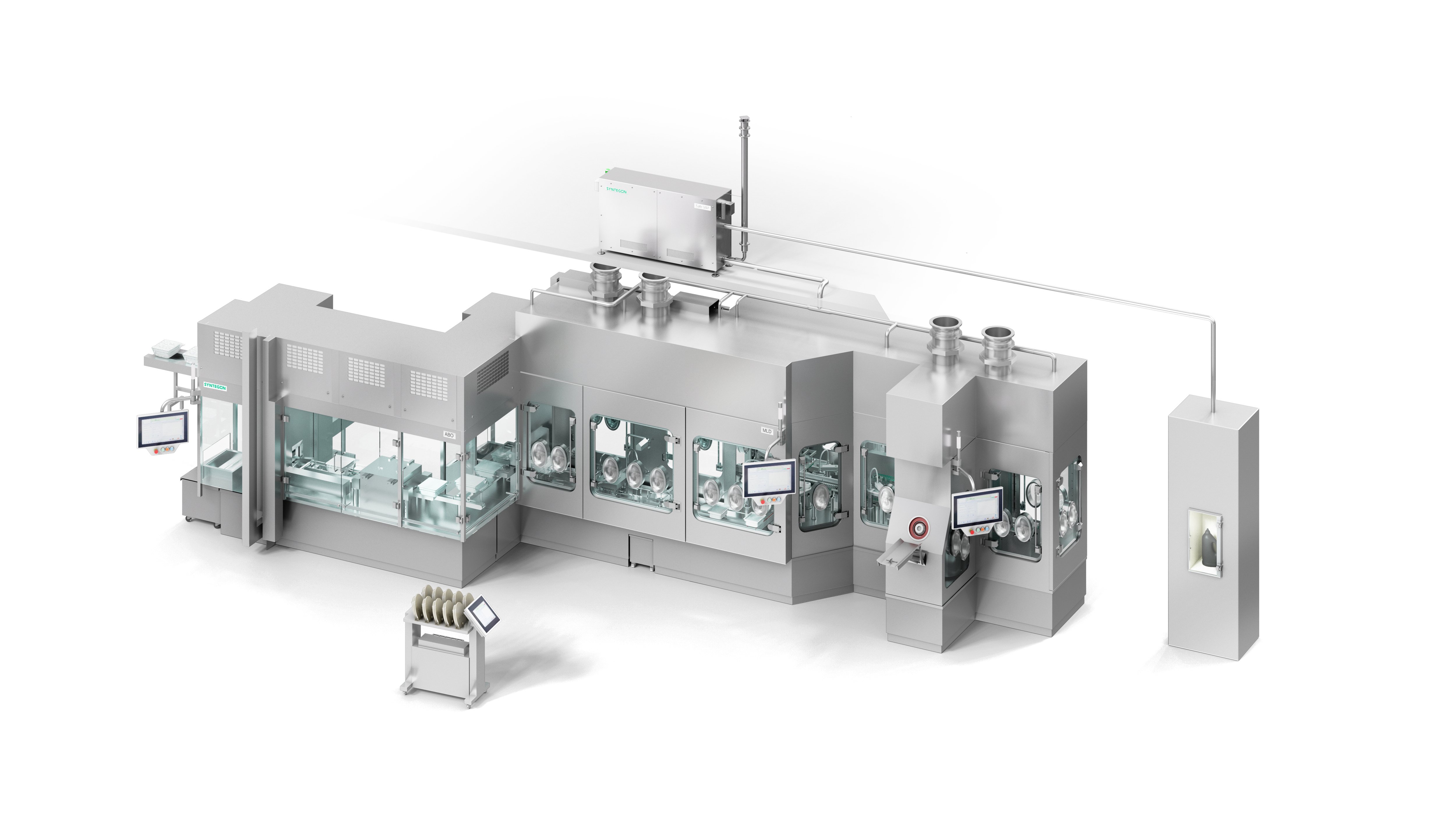
Fill syringes, vials and cartridges in an isolator that cuts Grade A entries and enables 100% IPC.
Isolator technology for RTU aseptic cores
No touch transfer into the cleanroom
Use an automated bag opener to move RTU bags into the clean area without manual contact and fewer particle risks.
Automated RTU tub opening
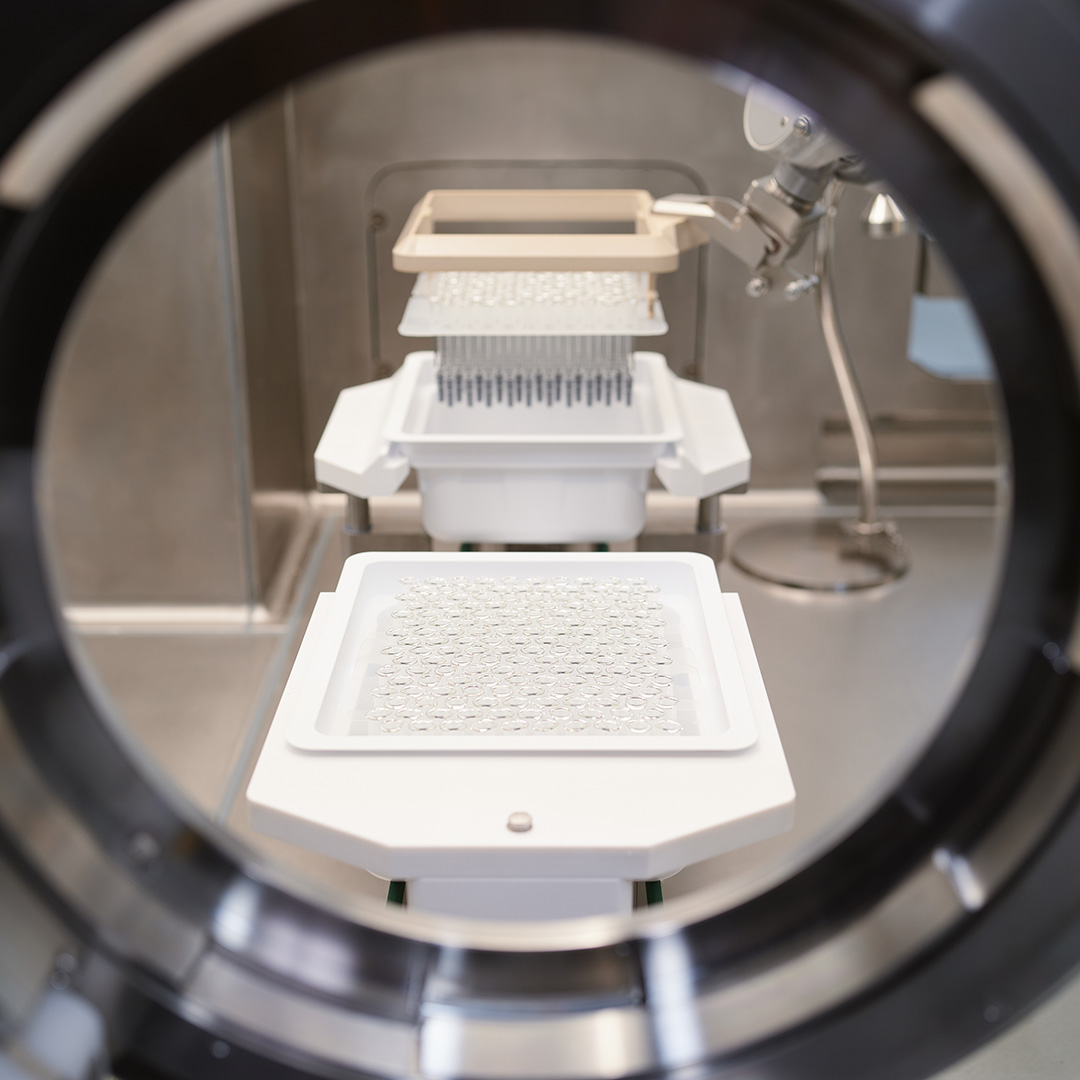
Open RTU tubs in a controlled process so nests enter the aseptic core aligned, intact and with minimal handling.
RTU filling line with isolator
Fill syringes, vials and cartridges in an isolator that cuts Grade A entries and enables 100% IPC.
Isolator technology for RTU aseptic cores
Use integrated isolators with fast biodecontamination and ergonomic access, designed to help you meet Annex 1 expectations.Explore the complete line
Solution Finder
Find the right ready to use filling solution
Plan your RTU filling upgrade with confidence
See all Syntegon RTU filling options by output and container.
- Match batch size to output
- Compare RTU machines for each container
- Check Annex 1 ready and IPC features
RTU filling features that eliminate Grade A interventions
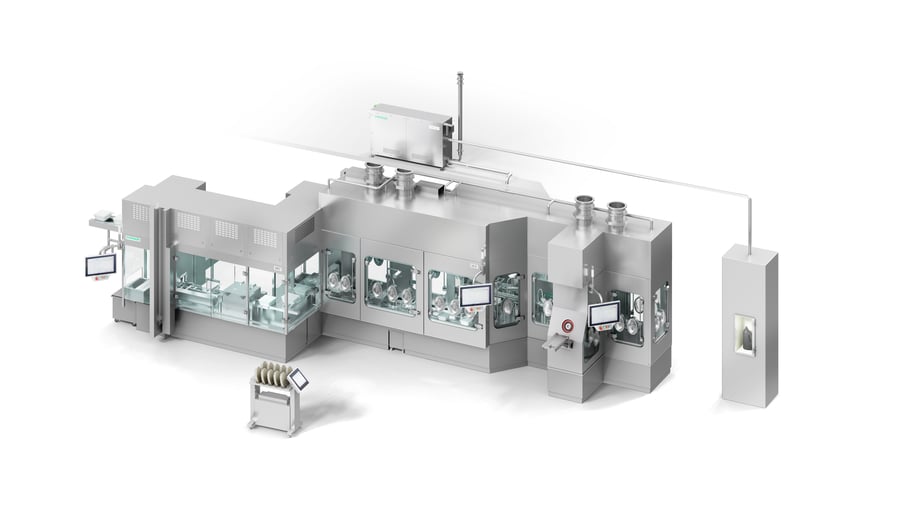
600 cpm RTU line with gloveless isolator
On conventional RTU lines, operators still enter Grade A to handle tubs, adjust settings and collect IPC samples. The gloveless SynTiso RTU line uses contactless container transport, robotics and an integrated isolator so most interventions move outside Grade A.
- Plan fewer aseptic operators per shift
- Stabilize contamination control for audits and Annex 1 discussions
- Keep high volume syringe campaigns on a single, future ready RTU platform
120-500 containers/h for high value micro batches
On large RTU lines, micro campaigns block capacity and increase product loss risk. A dedicated gloveless microBatch cell takes high value micro batches off your main assets and automates handling and IPC.
- Free high speed RTU capacity for commercial campaigns
- Protect every container with 100% IPC and 5 inline inspections
- Simplify contamination control for clinical, ATMP and development batches
300 extra hours and 80% fewer plate interventions
Many aseptic lines still stop several times per day for manual settle plate changes, which costs capacity and adds Grade A entries.
The robotic Settle Plate Changer automates plate exchange after the 4 hour exposure limit and keeps sampling consistent.
- Reduce changes to 1 planned stop per day and gain up to 300 extra operating hours per year
- Cut process zone interventions by about 80% to support Annex 1 focused contamination control
- Lower viable monitoring workload and documentation effort for QA
Stevanato Group boosts RTU vial safety with VHP decontamination
Syntegon and Stevanato Group tested VHP to decontaminate RTU vials, cutting contamination risk and residual H2O2 while improving flexibility.
SynTiso gloveless RTU line for high speed filling
See how the SynTiso platform combines a gloveless isolator and up to 600 containers per minute for large RTU campaigns.
Ready to use filling knowledge hub
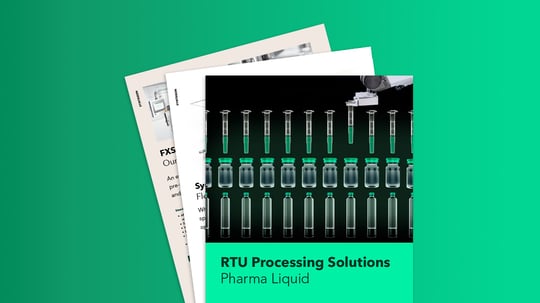
Explore all RTU filling machines
Get an in-depth overview of advanced RTU filling solutions designed for syringes, vials, and cartridges.
Small and micro batch whitepaper
Learn how small and micro batches are changing pharmaceutical processes.
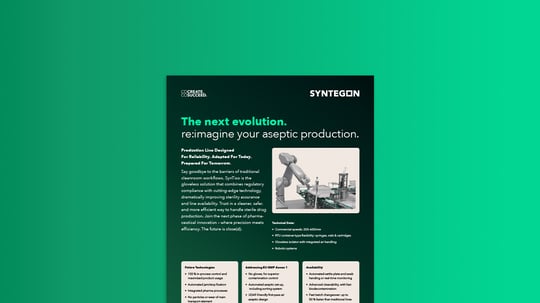
Explore SynTiso – the next evolution.
Learn more about SynTiso, the gloveless solution, that combines regulatory compliance with cutting-edge technology.
Frequently asked questions
Ready to use (RTU) filling uses pre-sterilized vials, syringes and cartridges delivered in tubs or trays. Cleaning, siliconization and sterilization steps move to the packaging supplier, simplifying processing, shortening setup and reducing total cost of ownership.
RTU filling is especially attractive for high value injectables and clinical supply where flexibility and low product loss matter most.
Syntegon RTU fill/finish solutions combine isolator or RABS with automation to separate operators from the aseptic area. Gloveless isolators, integrated air management and robotic handling help reduce manual interventions and support Annex 1-focused contamination control.
Equipment is designed to help you meet applicable regulations and comes with documentation that supports qualification and inspections.
Syntegon offers RTU filling equipment for small, medium and high outputs and for syringes, vials and cartridges.
Versynta microBatch covers micro batches, Versynta FFP covers small commercial outputs, FXS, MLD Advanced and SynTiso platforms cover medium to ultra high speeds.
A portfolio overview helps you match RTU filling equipment to batch size, container type and Annex 1-focused setups.
Versynta microBatch is a fully automated, gloveless work cell for aseptic micro batches. It fills from 120 to 500 RTU syringes, vials or cartridges per hour with 100% in-process control and 5 inline inspection systems.
Fast changeovers, minimal product loss and integrated air management make it suitable for clinical trials, cell and gene therapies and start-ups.
Syntegon uses robotic handling, gloveless isolators and automated IPC to reduce Grade A interventions.
Versynta microBatch automates setup and container handling in a closed cell. The robotic Settle Plate Changer replaces viable monitoring plates automatically, which can reduce Grade A interventions by 80 percent and add up to 300 operating hours per year. SynTiso extends this logic to high-speed commercial lines with gloveless automation.
Yes. Syntegon offers Annex 1 ready equipment and a portfolio of RABS upgrade services for existing lines. Options include barrier retrofits, viable monitoring upgrades such as the robotic Settle Plate Changer, new stopper infeeds and glove integrity testing devices.
These solutions are designed to help you strengthen contamination control without replacing entire filling lines, while still following your site change control and qualification procedures.
Many Syntegon RTU filling machines offer 100% in-process control and inline inspection to check each container.
-
Versynta microBatch combines 100% IPC with 5 integrated inline inspection systems.
-
High speed RTU platforms add integrated checkweighing and reject stations to support process control and container integrity.
These options help you detect deviations early, protect high value batches and document process performance for QA and regulators.
The RTU portfolio covers syringes, vials and cartridges and includes combination platforms that can run several formats on one line.
Modular concepts and changeover by part size help you switch formats faster and support future products without major redesign.
This flexibility supports RTU fill/finish roadmaps where portfolio, volumes and Annex 1 expectations may change over time.
Syntegon combines a strong installed base of more than 180 RTU filling lines with a global service network.
Service specialists support you from project planning and installation to modernization, digital optimization and sustainability analyses.
Structured service agreements, spare parts and training help you keep RTU lines available and aligned with evolving Annex 1 expectations over the full lifecycle.
Interested in filling RTU cartridges, syringes & vials?
Talk to a Syntegon expert to learn more about RTU filling solutions.
News

Improve the energy and media efficiency of Pharmatec PSG pure steam generators with Syntegon Services and reduce costs with simple upgrades.
Discover Syntegon's innovative processing and filling technologies at FCE Pharma 2026 in São Paulo, showcasing our commitment to the evolving pharmaceutical market.
Discover pharma filling and capping machines and every vial capping machine solution, from vial filling and sealing machine to vial coding technologies.