Pharmaceutical isolator and RABS barrier systems
Reduce contamination risk and human interventions in aseptic filling.
Choose pharmaceutical isolator and RABS concepts under Annex 1
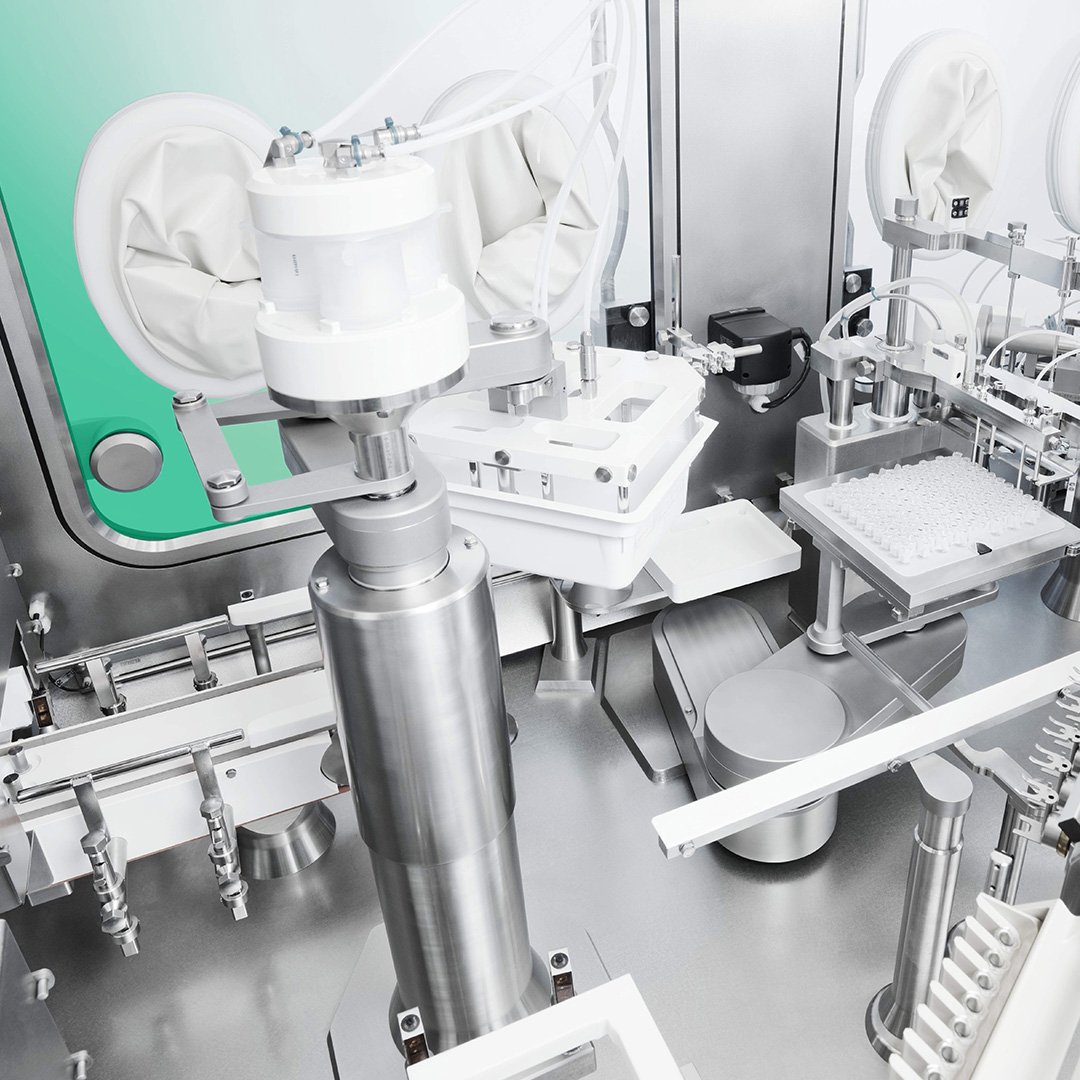
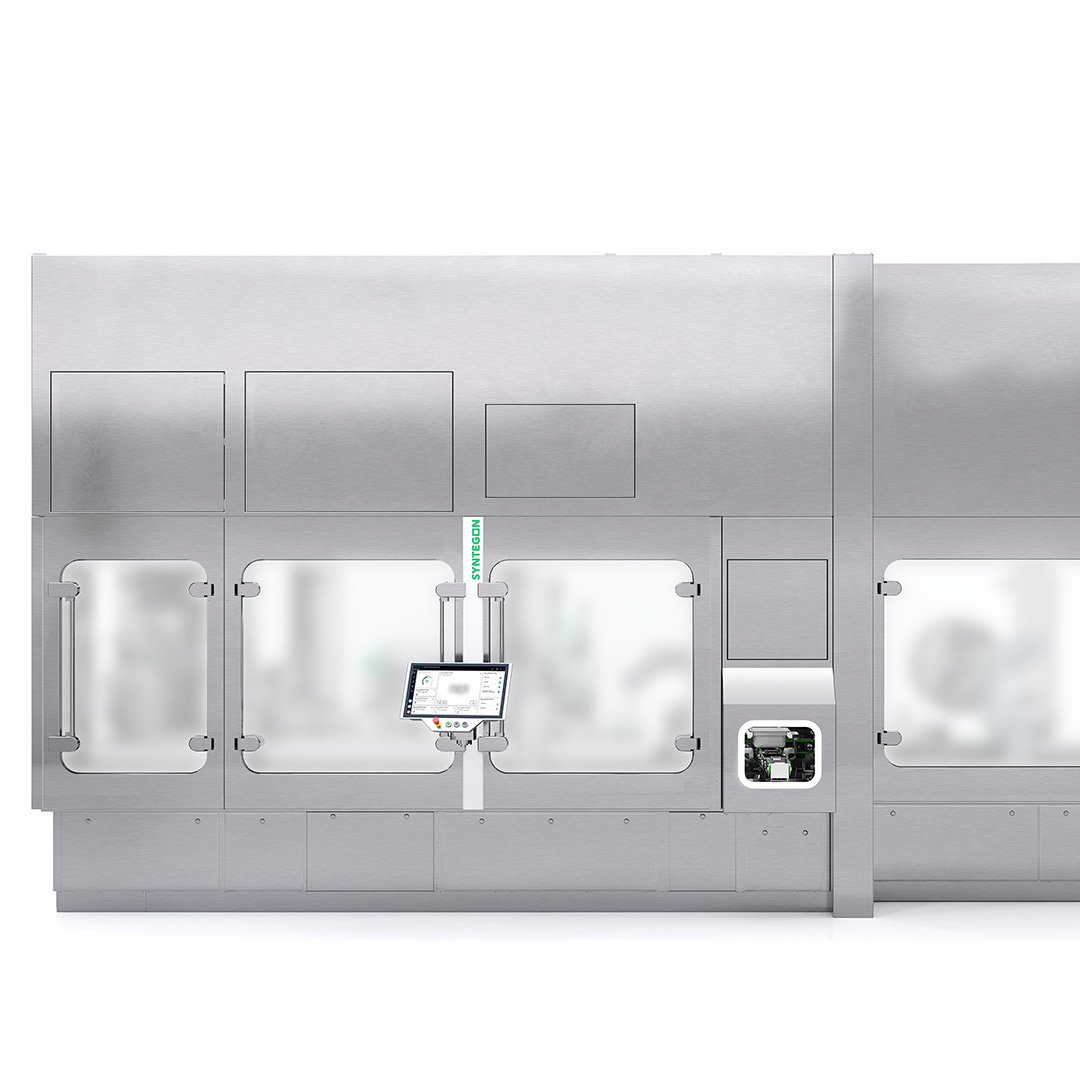
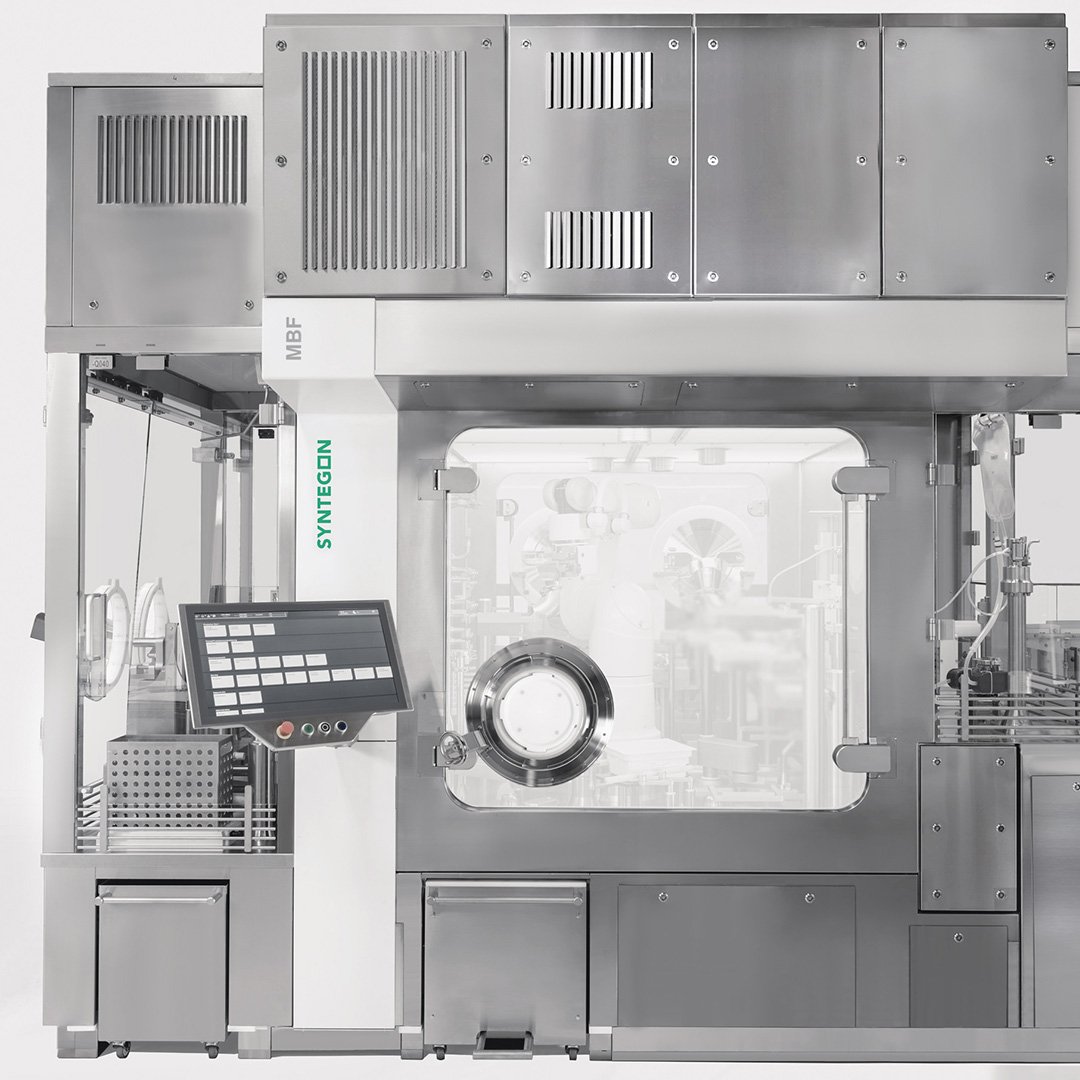
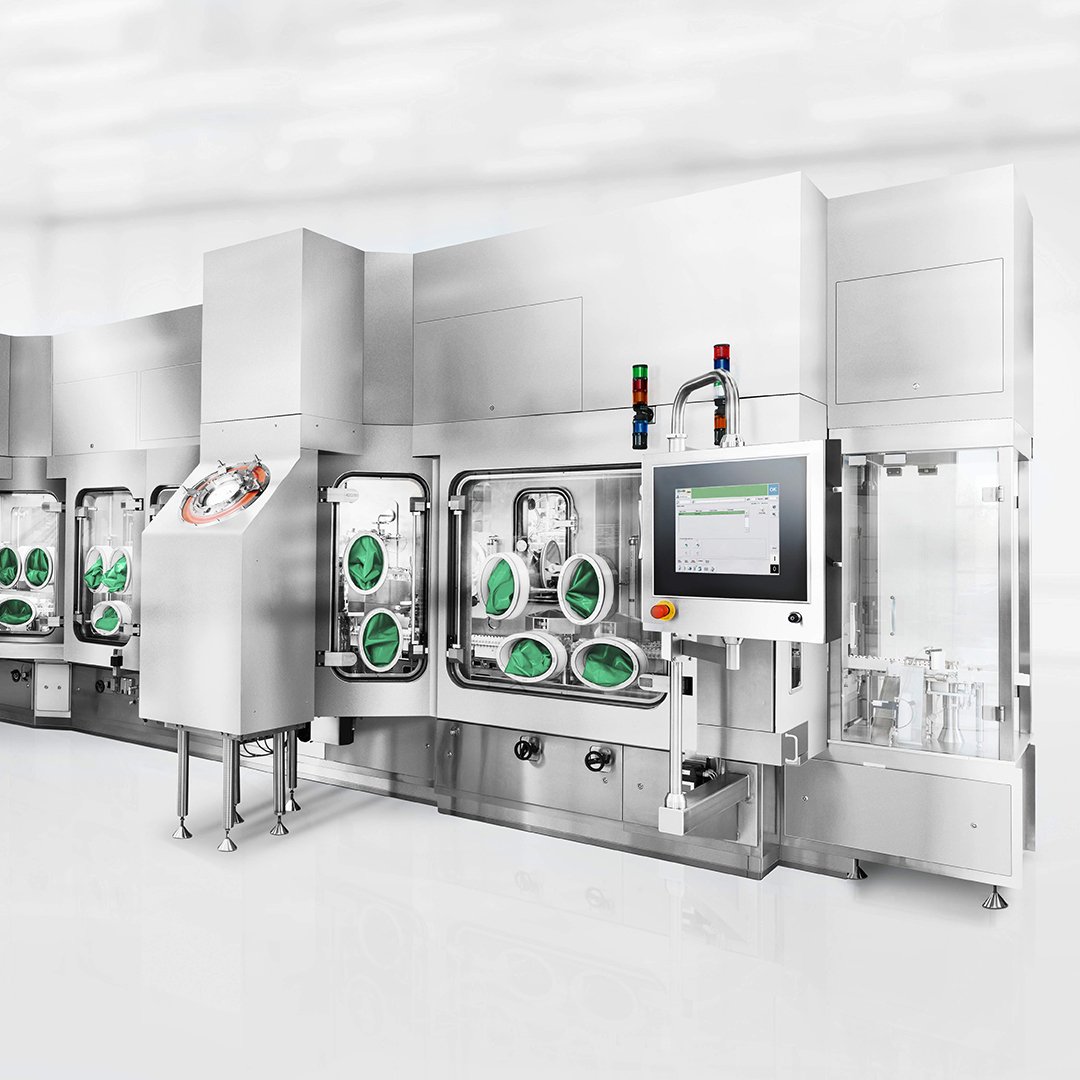
Pharmaceutical isolator and RABS barrier systems are the protective housing arround aseptic filling projects. Annex 1 expectations, sterility risks and lifecycle costs make each barrier concept decision a high-stakes tradeoff. Syntegon helps you compare RABS and isolator concepts and design solutions that support Annex 1 focused reviews.
Pharmaceutical isolator and RABS systems: fewer interfaces, stronger OEE
How to cut interfaces on isolator and RABS filling lines?
On complex aseptic fill finish projects, engineers often manage separate vendors for fillers, isolators, RABS and supporting equipment. Every additional interface means extra coordination, unclear responsibilities and longer troubleshooting when issues occur.
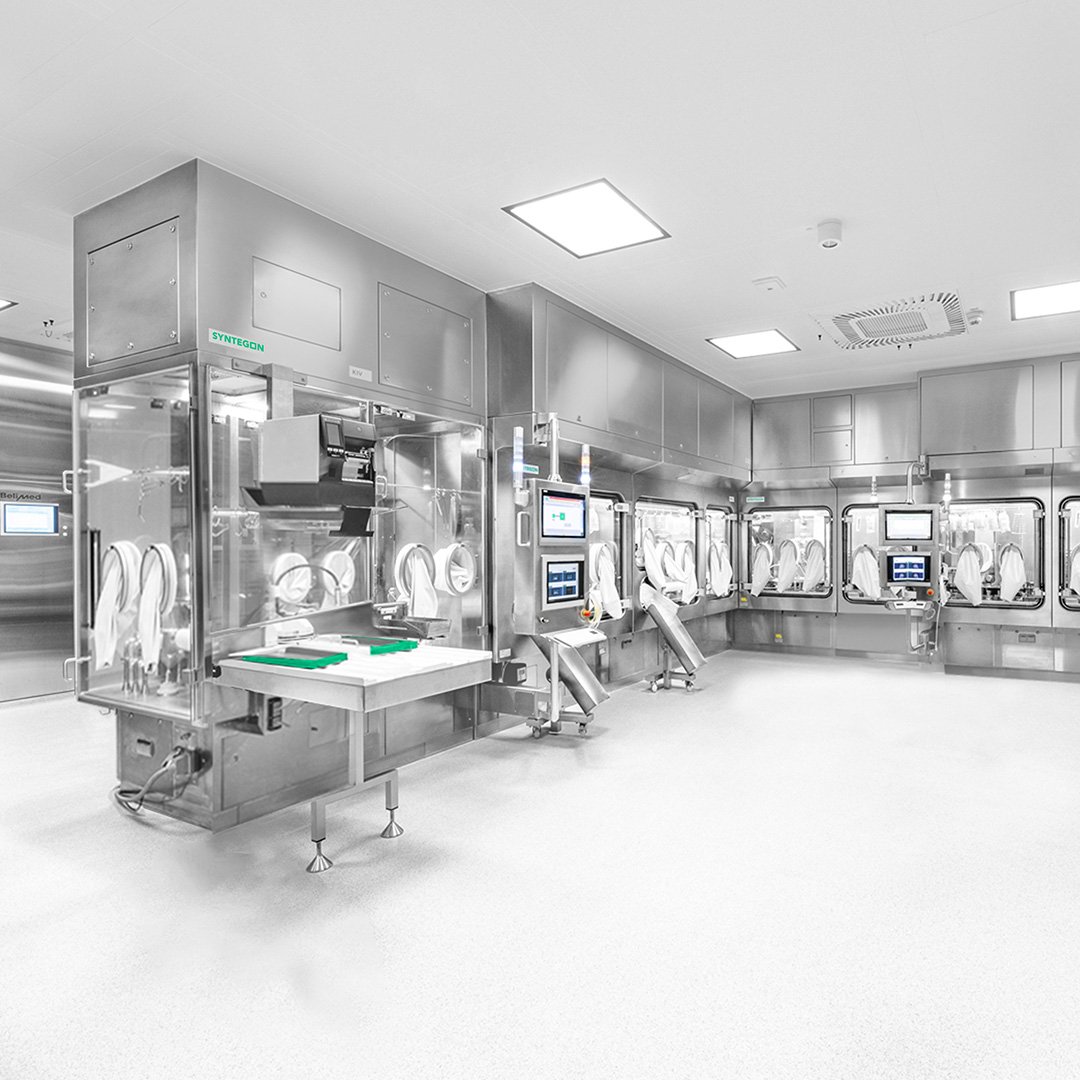
Syntegon delivers integrated isolator and RABS lines with integrated air management, transfer systems and peripherals from a single source. You gain one accountable partner for design, documentation, qualification and service, which simplifies procurement, reduces project risk and keeps lifecycle support under control.
How to shorten ramp-up and cut unplanned isolator line stops?
Bringing a new isolator or RABS line into routine production can strain engineering and QA resources for months. Every deviation, unclear test plan or vendor handoff adds rework, extra meetings and unplanned stops during ramp-up.
Syntegon supports qualification, validation and cycle development for the complete barrier line, including coordinated documentation and training. This lifecycle partnership helps shorten the path to stable commercial production and reduces unexpected downtime through informed maintenance and service planning.
How to improve OEE and control energy use in barrier lines?
Barrier systems influence far more than nominal filling speed. Surrounding room class, gowning effort, environmental monitoring and energy consumption all shape operating expenses in aseptic facilities. Manual cleaning steps and lengthy changeovers can also pull down OEE.
Syntegon works with your team to define isolator and RABS concepts, air management and biodecontamination strategies that fit your products and building. The result is barrier operation that protects OEE while supporting responsible energy and resource use over the lifecycle.
Compare pharmaceutical isolator and RABS options
High potent isolator line
Best if you want:
- Isolator for high potent or BSL products
- Top sterility level with Grade C surroundings
Aseptic isolator line
Best if you want:
- Barrier line for aseptic products
- Long campaigns with lower running costs in Grade C
Closed RABS line
Best if you want:
- Closed RABS where high potent use is needed
- Longer campaigns in Grade B with manual access options
Open RABS line
Best if you want:
- Flexible barrier for frequent changeovers
- Multiproduct aseptic manufacturing in existing Grade B rooms
Plan isolator and RABS projects with confidence
Get an overview of Syntegon isolator and RABS options.
- Compare layouts and barrier concepts
- Match setups to aseptic and high potent use
- Plan services, air handling and upgrades
Pharmaceutical isolator highlights
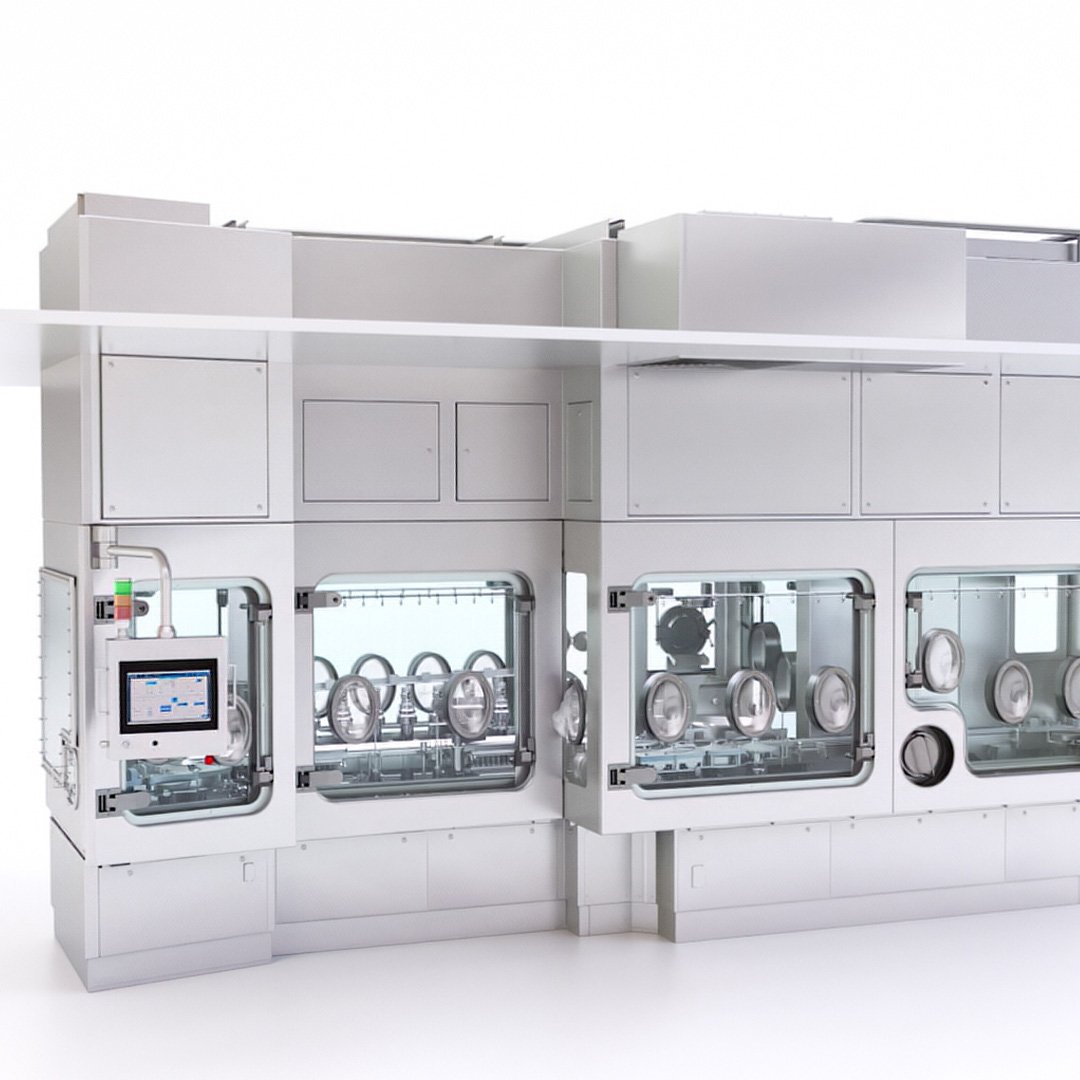
<60 min H2O2 biodecontamination per isolator cycle
Automated H2O2 cycles complete in <60 minutes on production isolators.
- More campaigns per line
- Less manual cleaning
- Repeatable, validated cycles
Fewer glove interventions with gloveless isolator concepts
Gloveless isolator operation cuts routine glove interventions and supports consistent microBatch and SynTiso filling.
- Lower contamination risk from gloves
- More reproducible campaigns
- Compact setup for small batches
In-air isolator cuts HVAC footprint and interfaces
In-air isolators place air management above the filling machine, which frees technical space and reduces HVAC interfaces.
- Cut utility space
- Reduce external ducting
- Simplify installation and service
Pharmaceutical isolator knowledge hub for engineers
Barrier system design guide for BSL fill finish
Learn how to select cRABS or isolators for BSL-2+ products and design pressure zones, filters and H2O2 inactivation.
Avoiding product oxidation by H2O2 in isolators
Understand how residual H2O2 affects sensitive biologics and how studies, sensors and process design.
H2O2 biodecontamination cycles for isolators
See how SafeVAP concepts shorten isolator biodecontamination cycles and what this means for daily filling capacity.
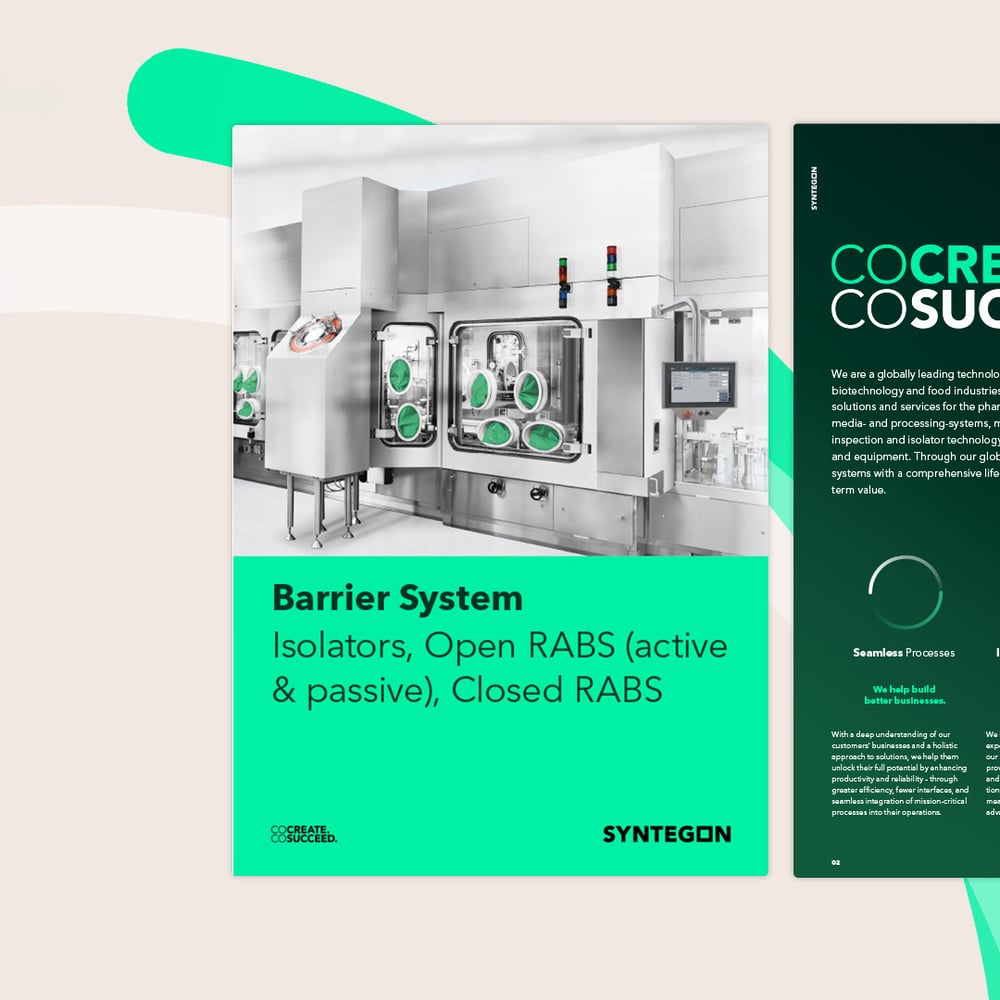
Barrier system brochure
Get an overview of Syntegon isolator and RABS options.
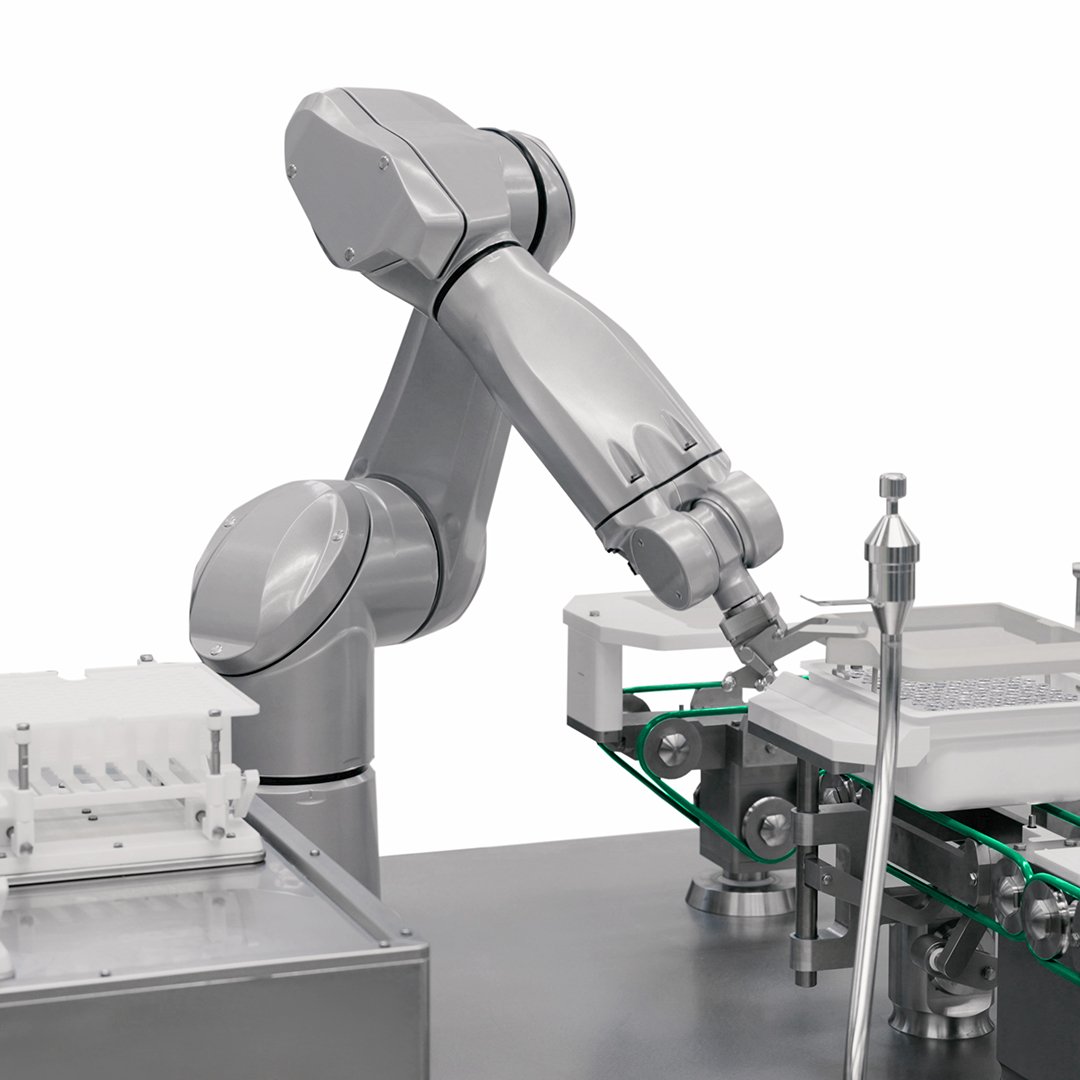
SynTiso gloveless isolator for Annex 1 compliance
Remove glove ports as a contamination source with a gloveless isolator that supports Annex 1 expectations.
Frequently asked questions
Start from product risk, campaign length, retrofit needs and Annex 1 expectations. Isolators offer strict physical separation, automated H2O2 biodecontamination and often allow lower surrounding room grades. Open or closed RABS can fit existing high grade cleanrooms and high mix production when procedures and training are very strong. Syntegon supports early concept studies and risk assessments for both options.
High potent APIs up to OEB 6 and biosafety level 2 or higher products usually need closed barrier systems that protect operators and the environment. For BSL 2 and above, a closed RABS or isolator around filling, lyophilization and capping helps keep biohazardous material inside the barrier. Syntegon designs isolators and cRABS specifically for these applications.
Biodecontamination time directly reduces available filling time per shift. Long cycles limit daily output and campaign flexibility. With integrated SafeVAP systems, Syntegon isolators can reach complete cycles of less than 60 minutes to 1 ppm on fully loaded commercial lines, and around 20 minutes on small transfer isolators, depending on load. Short, validated cycles make planning easier and support more campaigns per year.
Yes, but residual H2O2 and exposure time must match product tolerance. Some sensitive biotherapeutics may require residual levels down to about 0.03 ppm, which can extend aeration time. Syntegon and partners use uptake and spiking studies together with very sensitive sensors to link airborne and dissolved H2O2, then tailor cycles and materials. This helps protect product quality while keeping downtime manageable.
Open and closed RABS usually require at least a Grade B or ISO 7 environment in operation, since the room still supports the Grade A core. Isolators can often run with adjacent rooms at ISO 8, for example A in C layouts. This can reduce room size, HVAC demand and gowning effort. Final room classes always follow the specific process and regulatory requirements.
Integrated air management places key air handling functions in or directly above the isolator instead of in separate technical rooms. This can remove external air handling units on the equipment floor, reduce ducting and free technical space. Syntegon in‑air isolator concepts combine barrier, H2O2 system and air handling so engineers face fewer interfaces and simpler installation and service.
Syntegon supports barrier systems from early design through long term operation. Services include CFD simulations, H2O2 and wash in place optimization, loading concepts for transfer airlocks, development of glove test parameters, as well as qualification, validation and risk analysis. Dedicated lifecycle service, spare parts and modernization help keep aseptic and containment lines stable and ready for audits.
Syntegon offers qualification and validation support for complete isolator and RABS lines. This includes defining test strategies, developing and optimizing biodecontamination cycles, supporting glove integrity testing and preparing risk based rationales for critical design choices. The goal is to provide clear documentation and data so Annex 1 focused inspections run more smoothly and rework during reviews is reduced.
Yes. Syntegon designs isolators and cRABS for BSL applications using pressure zoning, double wall designs, SafeVAP inactivation cycles and safe filter concepts. A Bavarian Nordic case shows how pressure cascades, dedicated H2O2 inactivation cycles and outside cleaning machines protect operators and products during BSL 2 vaccine filling and freeze drying. Concepts are tailored to each product and facility.
Syntegon supplies a wide range of peripheral equipment. Examples include cleaning machines, fast H2O2 transfer chambers, rapid transfer port based transfer systems, glove testing devices, vacuum cleaners for aseptic areas and filter scanning systems for automatic HEPA integrity checks. Engineers can source filling, barrier, transfer and supporting equipment from one partner to simplify integration and service.
Interested in our pharmaceutical isolator?
Talk to a Syntegon expert to learn more about pharmaceutical isolators.
News
Improve the energy and media efficiency of Pharmatec PSG pure steam generators with Syntegon Services and reduce costs with simple upgrades.
Discover Syntegon's innovative processing and filling technologies at FCE Pharma 2026 in São Paulo, showcasing our commitment to the evolving pharmaceutical market.
Discover pharma filling and capping machines and every vial capping machine solution, from vial filling and sealing machine to vial coding technologies.